

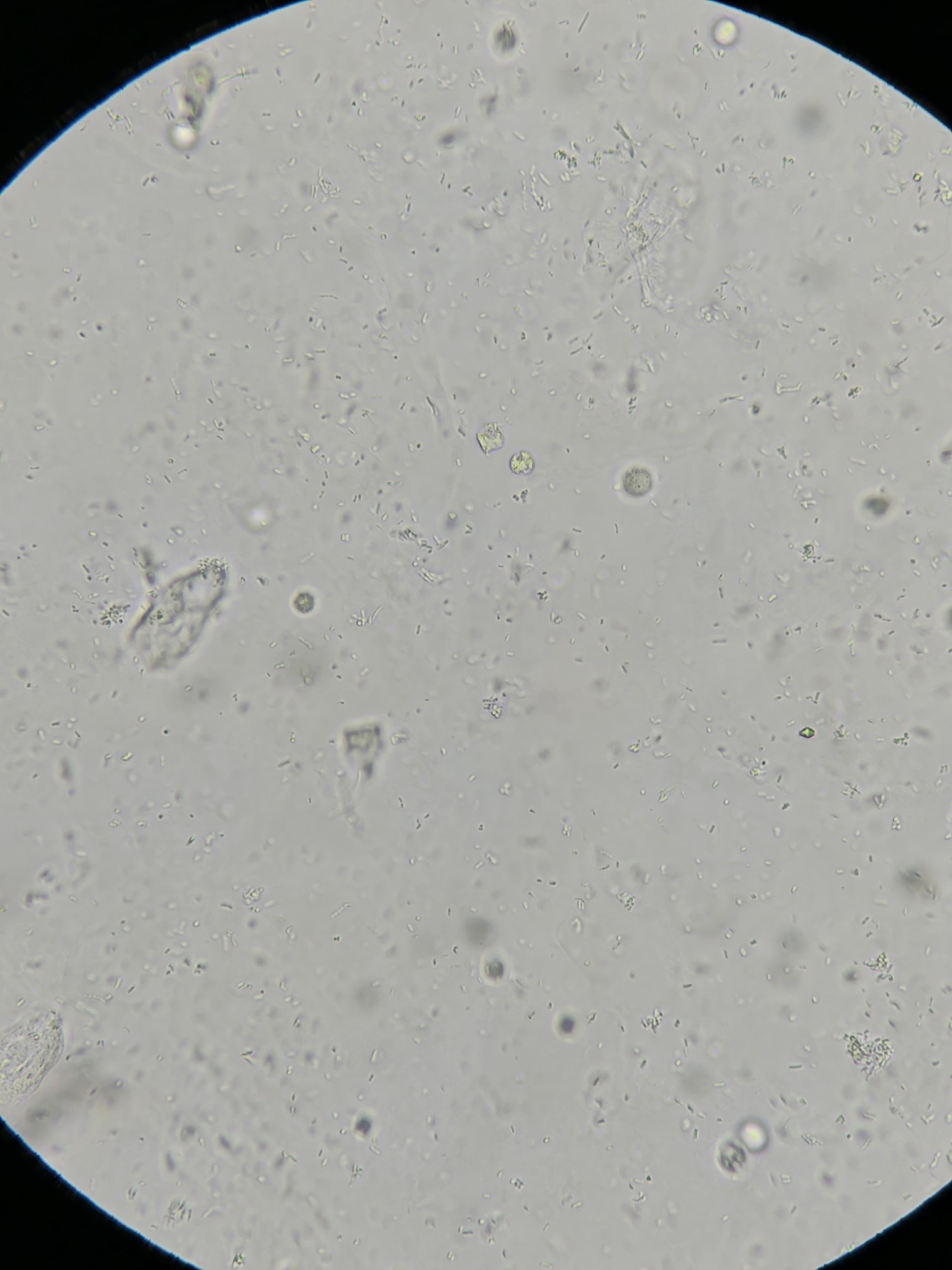
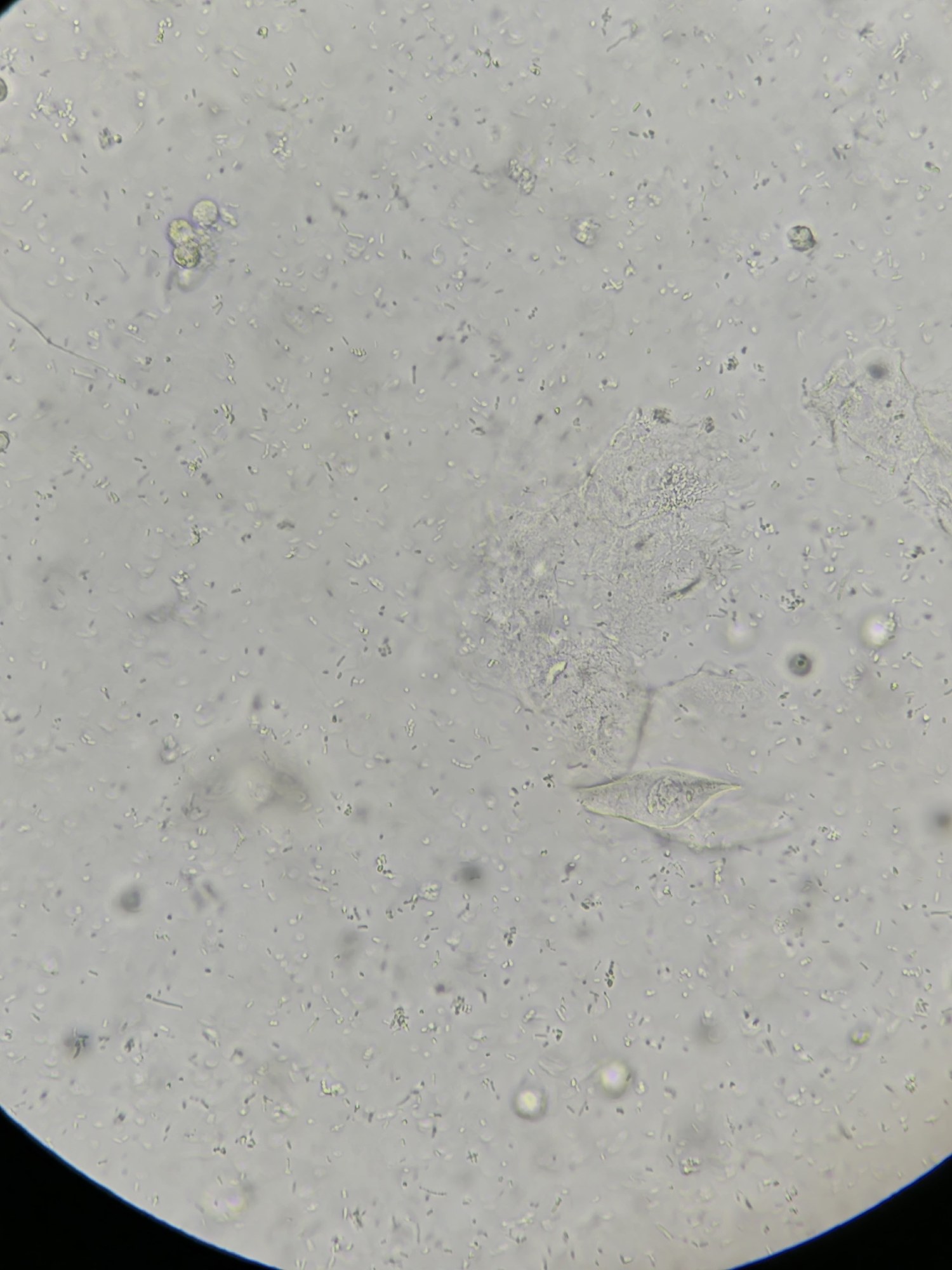
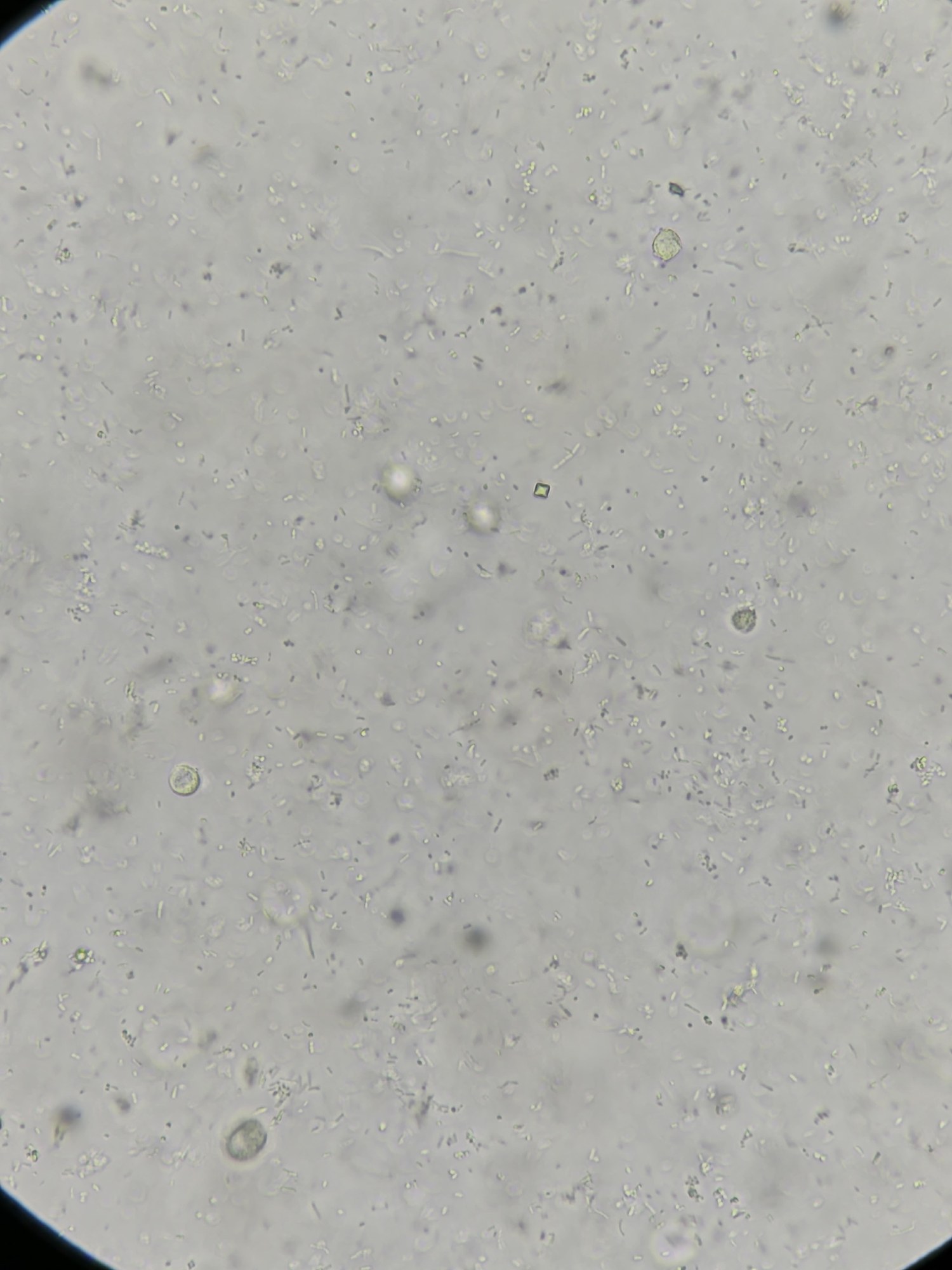
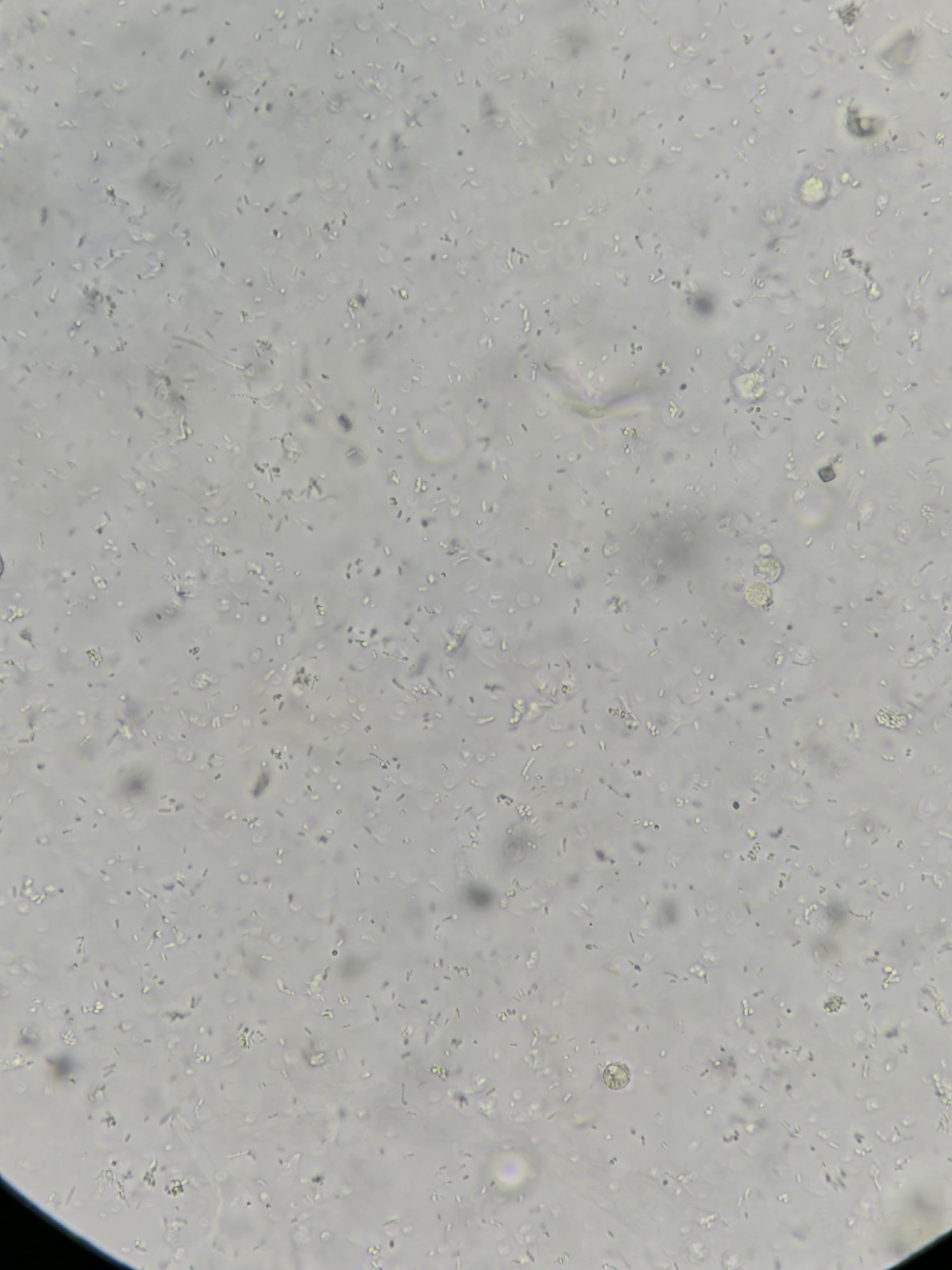
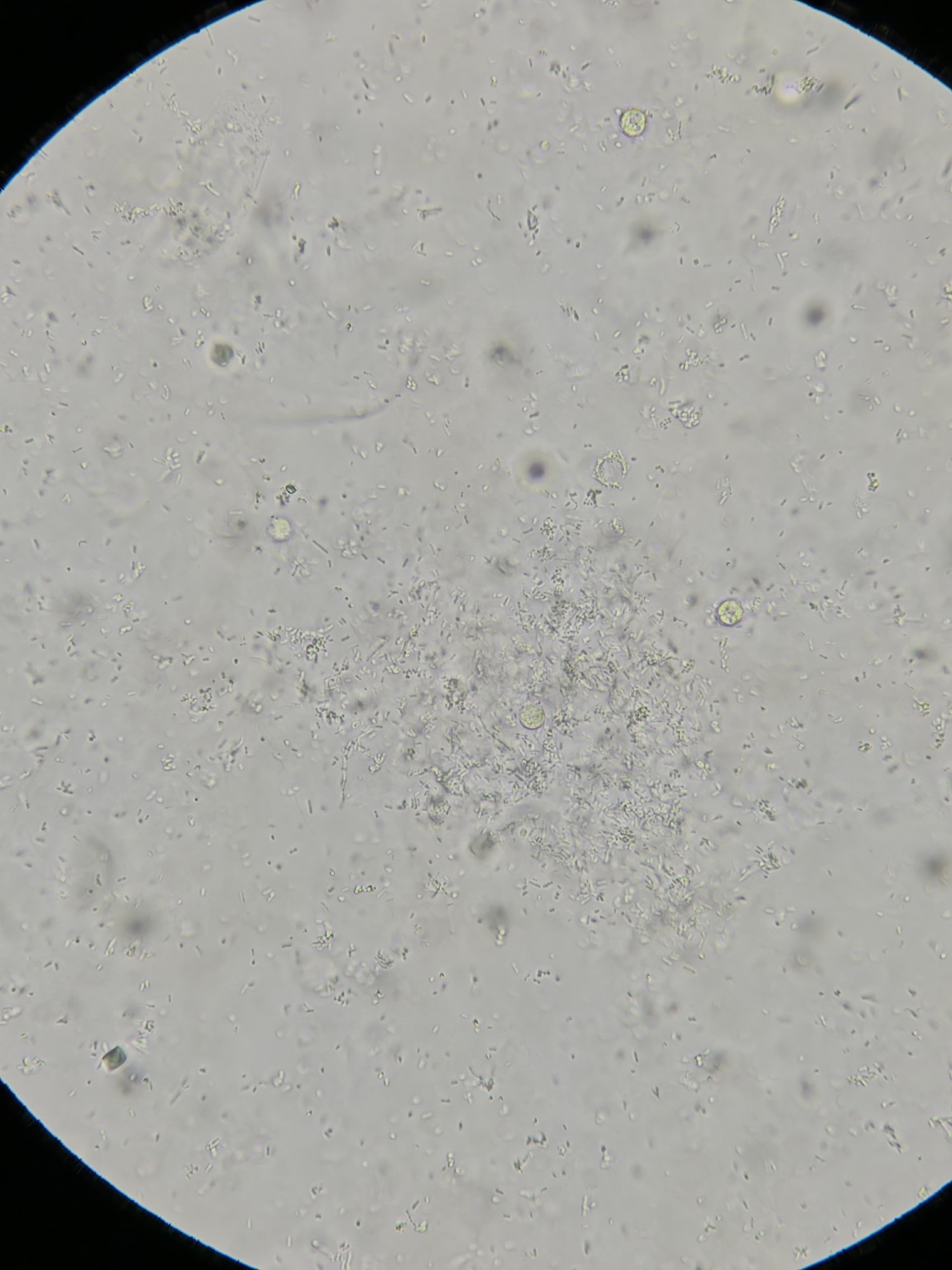
Bacteria in urine, also a small number of leukocytes, squamous epithelial cells, isolated oxalates, and lysed (altered) erythrocytes are visible; the patient is a 10-year-old girl.
The detection of bacteria in urine (bacteriuria) is divided into 2 types – true and false. In addition, there is also asymptomatic bacteriuria, in which, despite the presence of bacteria in the urine, the patient has no clinical complaints or signs of inflammation. This type of bacteriuria occurs in the elderly and patients with diabetes mellitus.
True bacteriuria occurs in infectious inflammatory diseases of the urinary system. Bacteria actively colonize them, causing diseases such as cystitis (inflammation of the bladder), urethritis (inflammation of the urethra), pyelonephritis (inflammation of the renal calyces and/or pelvis). Symptoms of these diseases include fever (elevated temperature), pollakiuria (frequent urination), dysuria (painful urination), and others. An express test for nitrites in urine indirectly helps to suspect bacteriuria – since bacteria convert nitrates into nitrites during their vital activity, the test will be positive in this case. However, this is not a 100% guarantee of bacteriuria, as nitrites can appear in urine after prolonged presence in the bladder, and pathogens such as staphylococci or enterococci do not reduce nitrates to nitrites.
False bacteriuria is a consequence of contamination of the biomaterial or collection container, or it can occur due to non-observance of genital hygiene before analysis, and has no diagnostic significance.
🙏 The material was kindly provided by medical laboratory technician of Neva Clinic Elisey Zhigulev, Ulyanovsk


