

🔬 “Comets”, “teardrops” and “bowling pins”: cytological metaphors of aggressive thyroid cancer
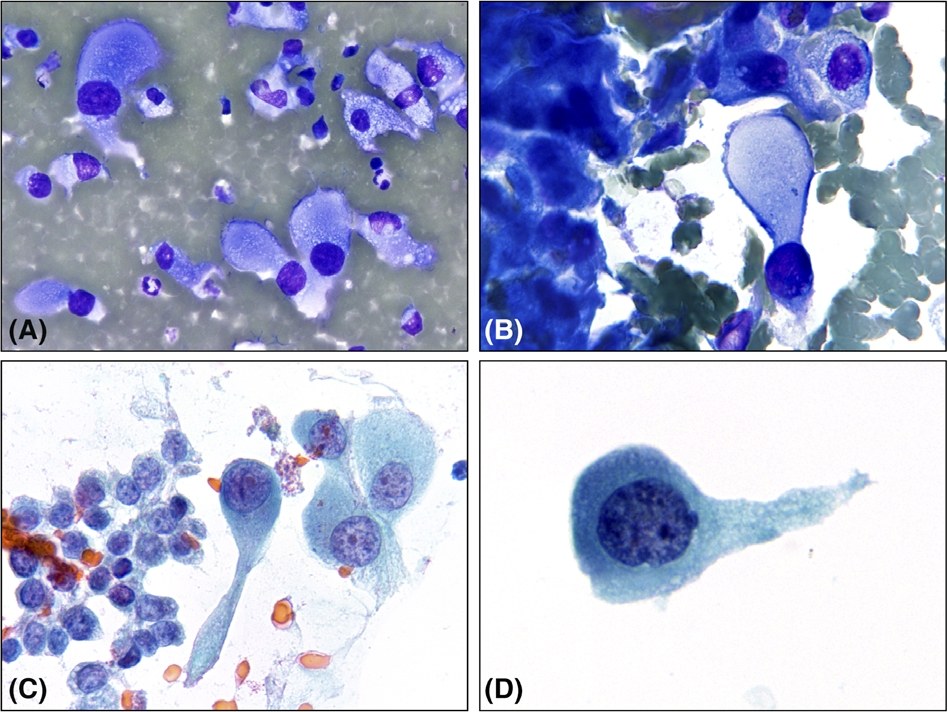
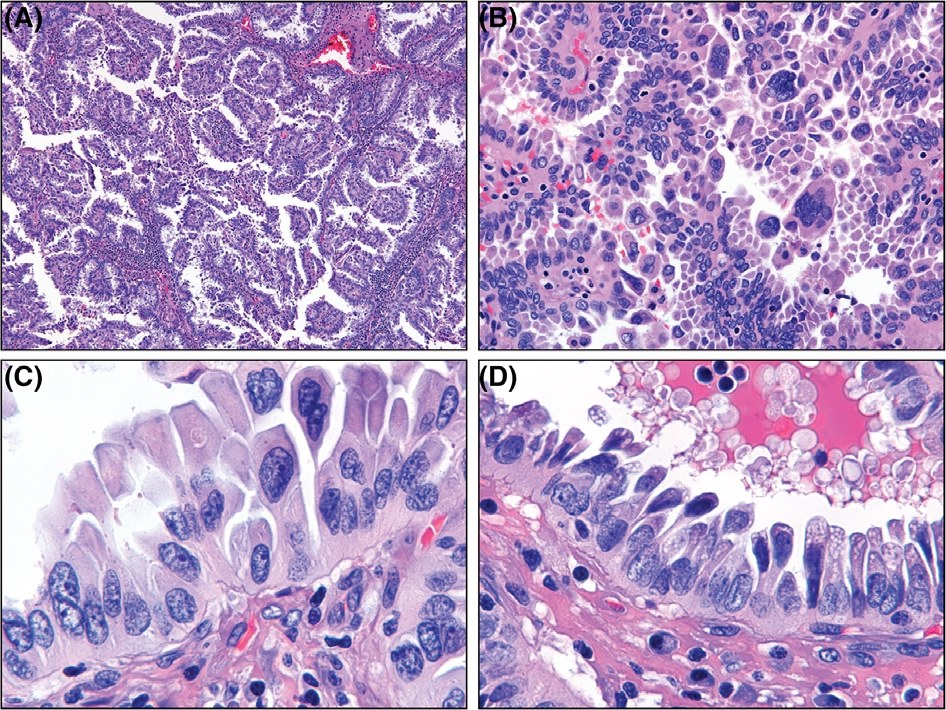
The article in Diagnostic Cytopathology describes a unique case: aspirate from a thyroid nodule revealed cells with a peculiar shape — in the form of droplets, tailed comets, and bowling pins — characteristic of hobnail variant papillary thyroid carcinoma (HVPTC).
👩⚕ A 66-year-old female patient presented with a rapidly growing neck mass. Fine-needle biopsy cytology revealed in the aspirate:
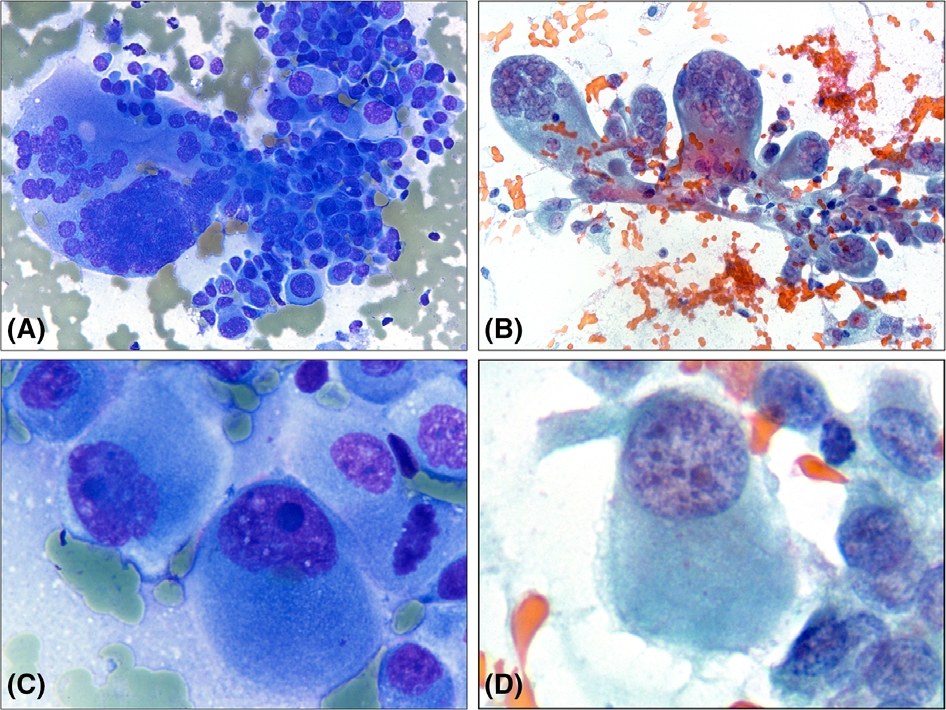
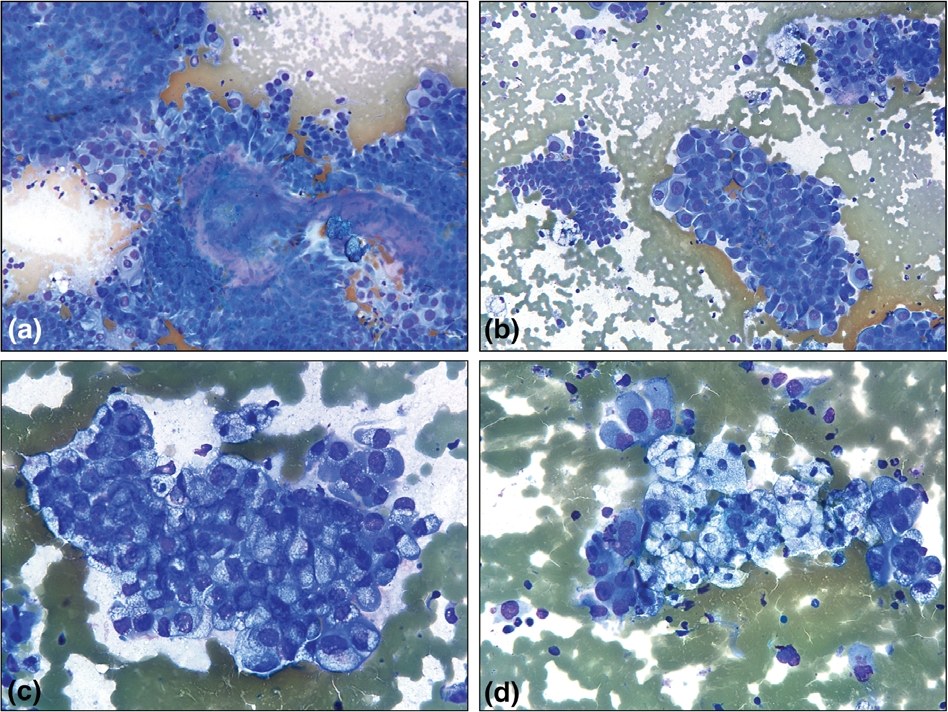
- abundant cellularity with papillary and pseudopapillary structures;
- elongated tumor cells with “tails”, giving them the shape of comets, droplets, tadpoles;
- cells with a “proboscis” — a protruding apical pole (hobnail), resembling a bowling pin;
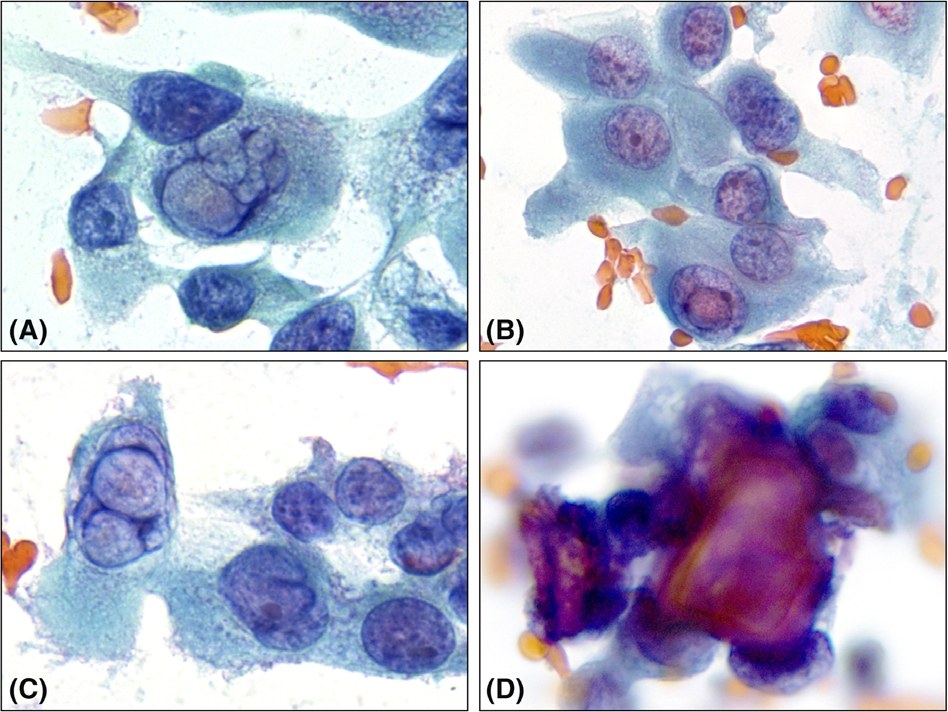
- rare psammoma bodies, intranuclear pseudoinclusions, and giant multinucleated cells;
- and even “rhabdoid” tumor elements.
⚠ Hobnail variant papillary thyroid carcinoma (HVPTC) is a rare (0.2–1.7%) and aggressive subtype, associated with BRAF V600E mutation, high Ki67, invasion, and metastases. Its distinctive cytological features allow for a rapid diagnosis, which is important for choosing treatment tactics.
📖 Details in the article: Mehrotra S et al. “Teardrop,” “comet,” and “bowling-pin” cells in a hobnail variant of papillary thyroid carcinoma. Diagnostic Cytopathology 2019;1–4.


