

🩺 Differential Diagnosis of Microcytic Anemias: New Possibilities of Simple Calculations 🩸
In clinical hematology, two pathologies often present with similar morphological features: iron deficiency anemia and minor beta-thalassemia. Both are characterized by a decrease in mean red cell volume (microcytosis) and cellular hemoglobin content (hypochromia). However, the management strategies for these patients differ fundamentally.
German researchers conducted a large-scale data analysis to determine how effectively mathematical formulas, based on complete blood count parameters, can assist clinicians in primary diagnosis. 📑
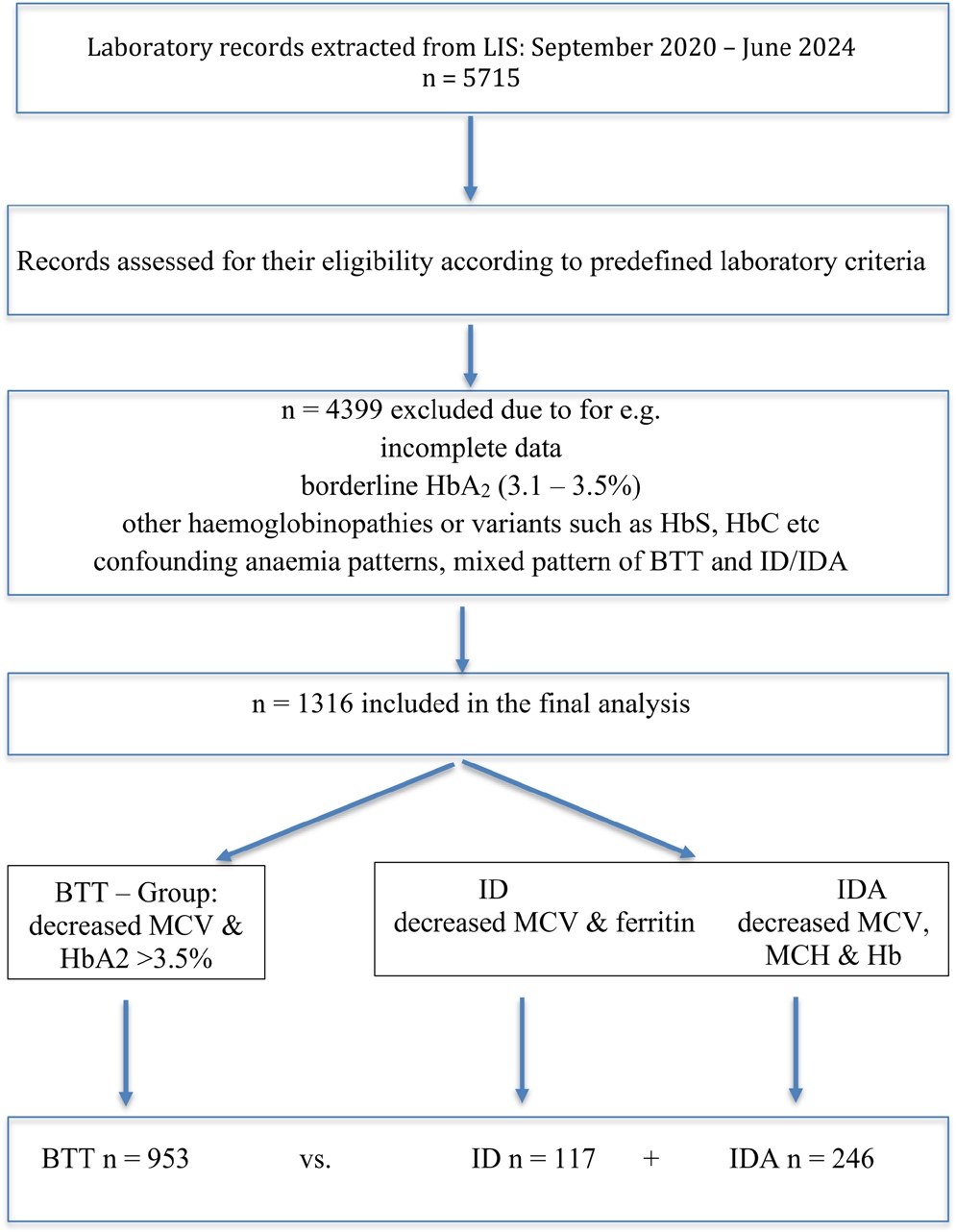
🔍 Study Essence The scientists analyzed over 1300 patient records (BTT cohort – thalassemia carriers and ID/IDA group – patients with iron deficiency). More than 40 known indices, developed from the 1970s to the present (including Menter, Shinighali, Jayabose, and others), were tested.
💡 Key Findings:
- Population Dependency. Popular formulas show varying accuracy depending on the region. Indices developed for Mediterranean or Asian populations require “recalibration” of cut-off values when applied in Central Europe. 🌍
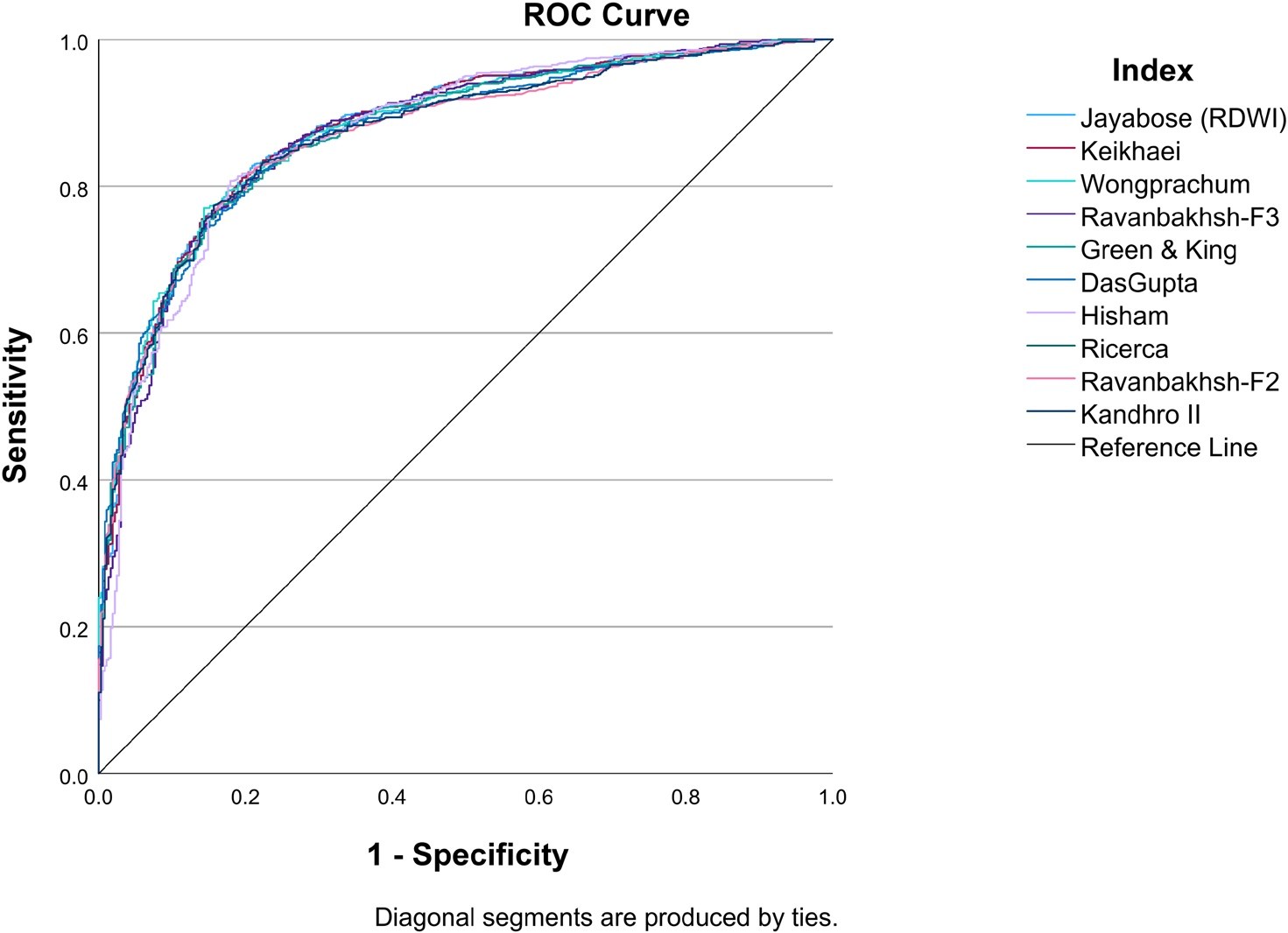
- Accuracy Leaders. The best results (Youden’s index and area under the ROC curve) were shown by the Wongprachum and Jayabose (RDWI) formulas. They most effectively account not only for red cell volume but also for the degree of their size heterogeneity (anisocytosis). 📈
- New Algorithms. Researchers proposed three new formulas that integrate red blood cell count, hemoglobin, and red cell distribution width. These formulas allow for flexible selection of operating mode:
- Screening (maximum sensitivity, to avoid missing thalassemia carriers).
- Specific (confirmatory).
👨⚕️ Clinical Significance Using mathematical indices is a low-cost and rapid method for primary patient selection. If a formula indicates a high probability of thalassemia, this serves as a direct indication for performing the “gold standard” diagnostic test – hemoglobin electrophoresis.
It is important to remember: calculated indices do not replace genetic testing or hemoglobin fraction determination, but they are a valuable tool in primary healthcare settings, helping to avoid unjustified prescription of iron supplements to thalassemia carriers. 🚫💊
Source for citation: Al-Nabhan R, Oevermann L, Hakimeh D. Differentiating β-Thalassaemia From Iron Deficiency: Performance and Cut-Off Dependency of More Than 40 Red Cell Discrimination Indices in a Large German Cohort. International Journal of Laboratory Hematology, 2026; 0:1–8. DOWNLOAD PDF


