

⚠Dioctophymosis - a parasite that lives in the kidney.
❗Wash your hands if you go fishing 🎣 and use worms as bait.
✅The only treatment method is surgical removal of the parasites; in the terminal stage of kidney damage, nephrectomy is performed.
✅Humans become infected through water containing oligochaetes (e.g., by ingesting infected oligochaetes while swimming or drinking from stagnant and slow-moving bodies of water) or by consuming raw fish or frogs.
✅Dioctophymosis has been reported in many countries, most frequently in France, Poland, USA, Bulgaria, Romania, Egypt, Brazil, and Kazakhstan. In Russia, the disease occurs in the Far East and Voronezh region.
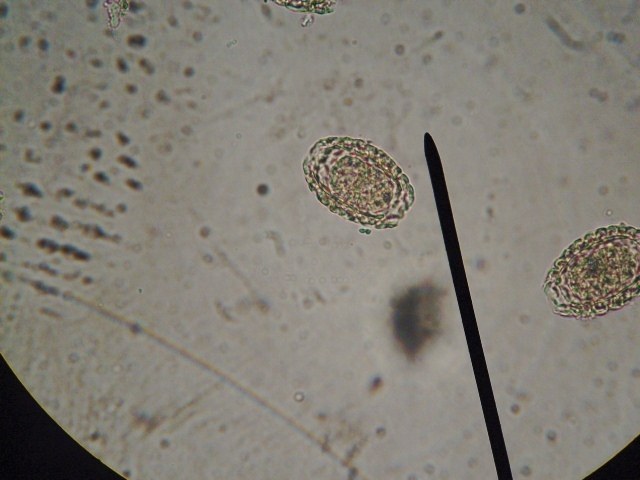
✅Diagnosis is made based on the detection of Dioctophyme renale eggs in the urine.
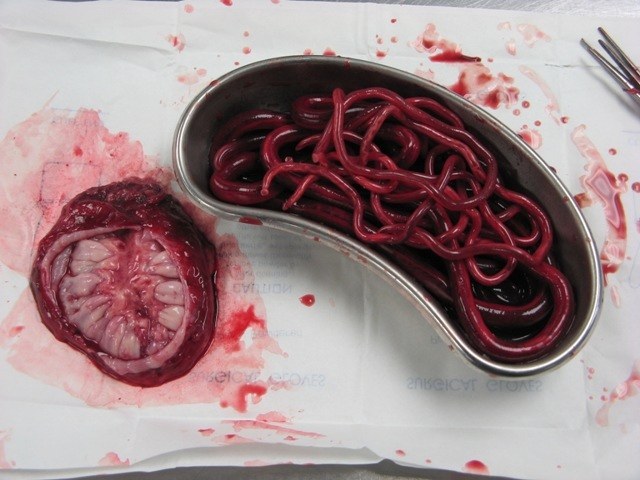
In the photo: urine microscopy: Dioctophyme renale eggs and the parasite itself.


