

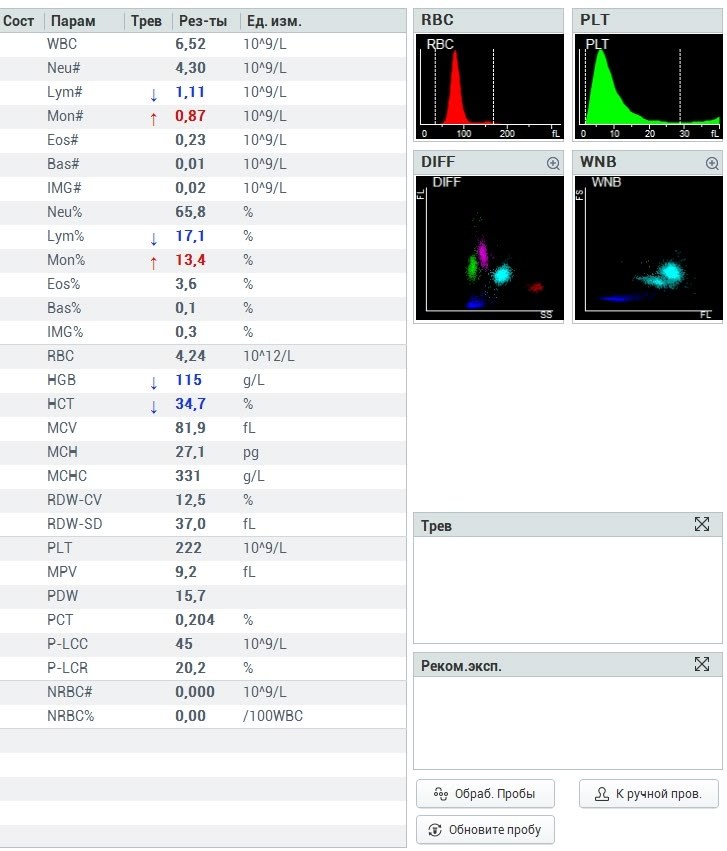
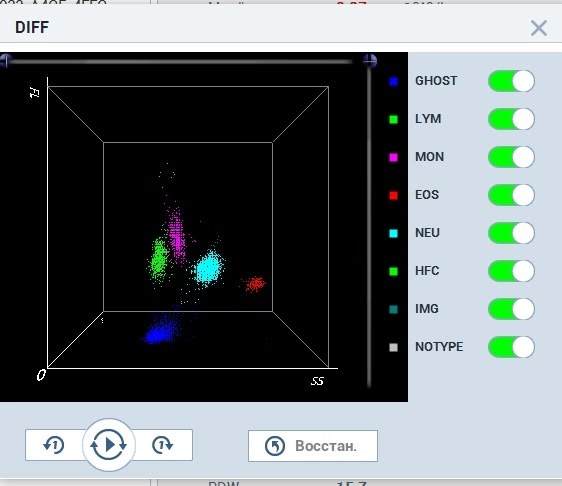
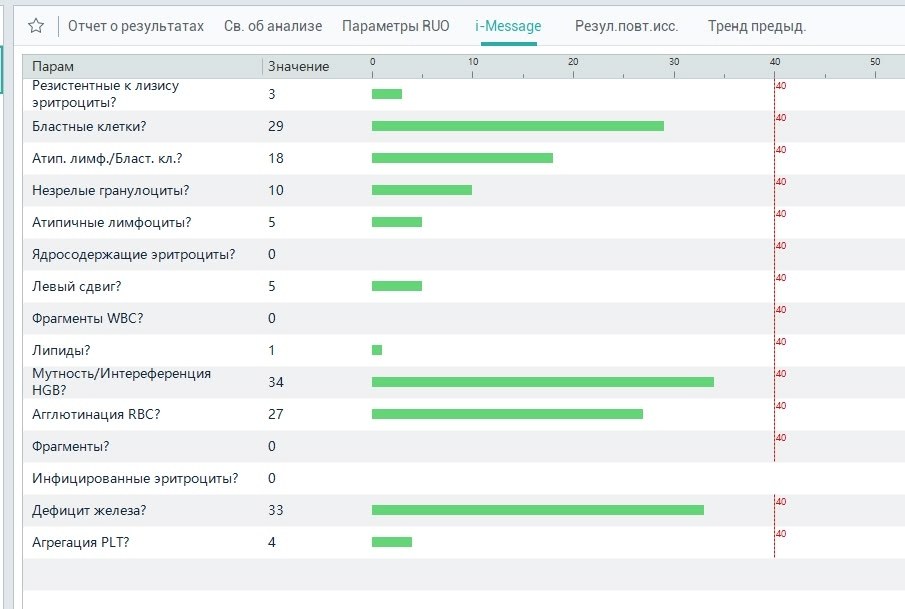
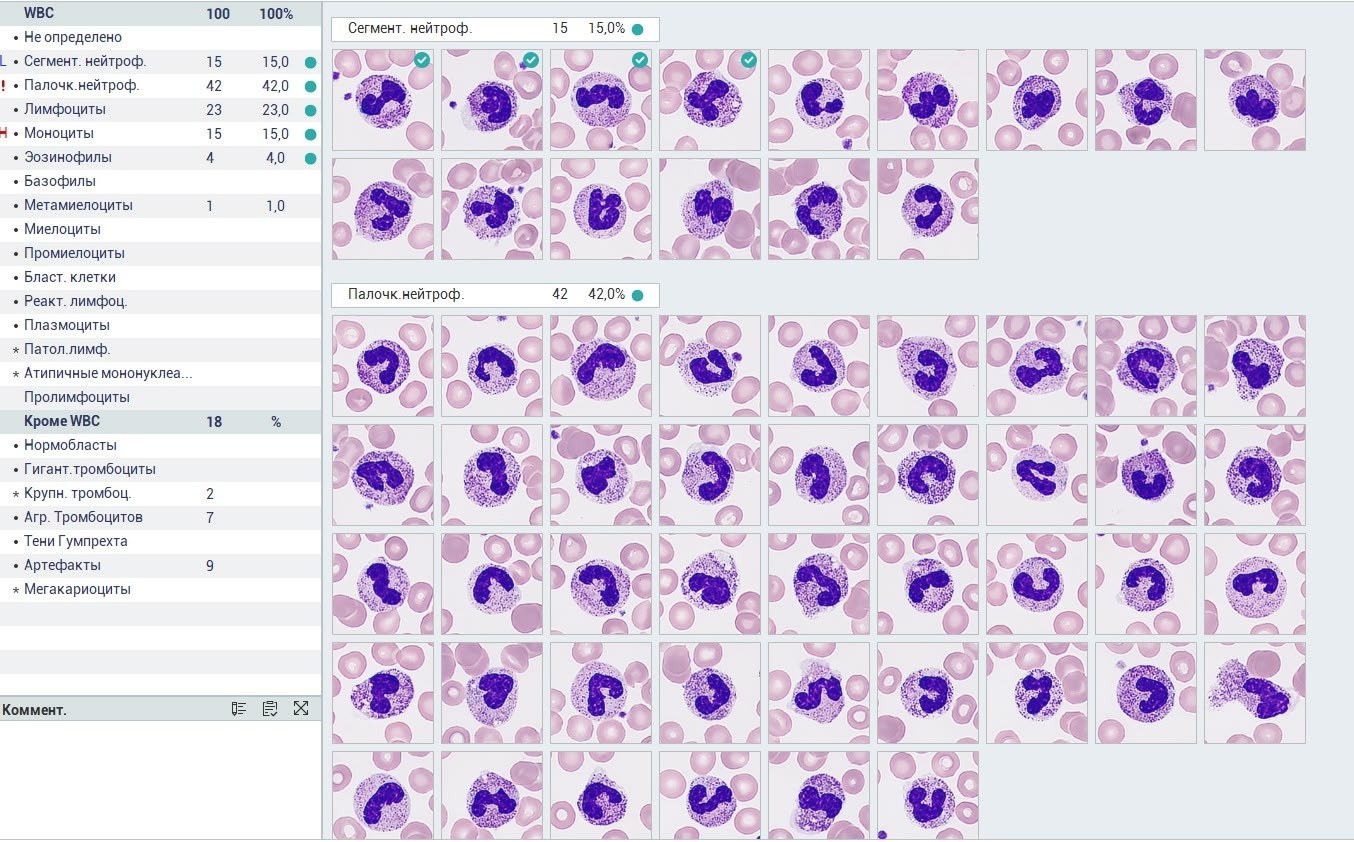
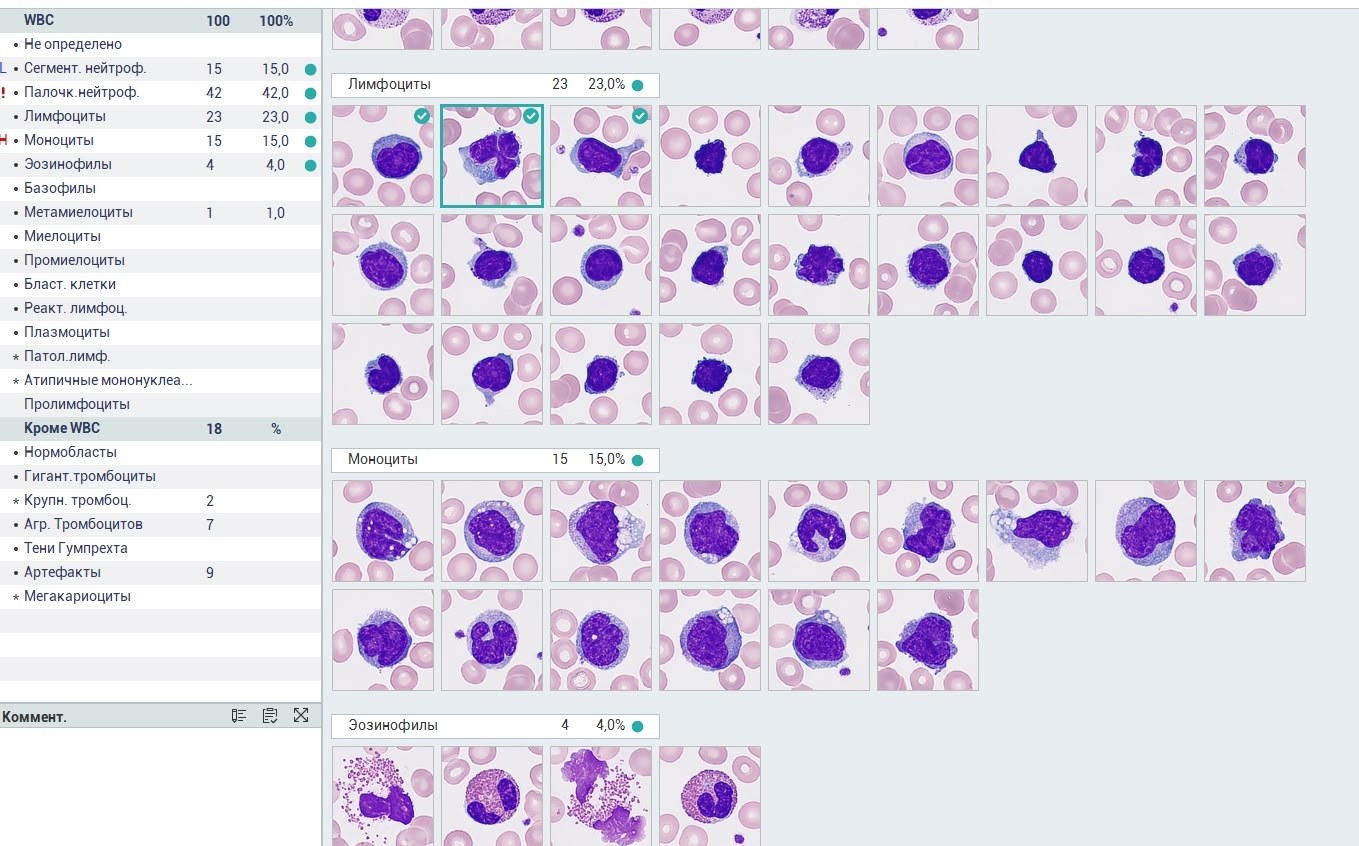
Anonymous question from a subscriber regarding the Mindray BC 6800 analyzer. Why did the analyzer not flag the presence of a large number of band neutrophils?
Patient: Male, 24 years old Complaints:
- Fever up to febrile values (up to 37–39°C)
- Heaviness, rumbling, pain in the lower abdomen
- Mushy stool up to 2–3 times a day (notes connection with antibiotic use)
- Periodic heartburn
Anamnesis of the disease: The disease acutely debuted after a dietary error (consumption of undercooked food) against a background of stress. Manifestation: pain resembling intestinal colic, diarrhea, abdominal rumbling, fever (up to 37–38°C). Initially, the patient was hospitalized in a surgical hospital with suspected acute appendicitis. Examination revealed leukocytosis (11.5 thousand), a slight increase in transaminases (AST 45 U/L), a tendency to decrease hemoglobin (from 132 to 123 g/L). According to abdominal ultrasound, signs of mesenteric lymphadenitis, ileitis (questionable), splenomegaly. Subsequently, negative dynamics of laboratory parameters were noted: increasing leukocytosis (up to 17.26 thousand), neutrophilia (15.47 thousand), significant acceleration of ESR (76 mm/h). A gastroenterologist consultation was performed. Therapy was prescribed, including a glucocorticosteroid (prednisolone 5 mg 3 times a day) in combination with mesalazine, an intestinal antiseptic, and a prokinetic. On steroid therapy, abdominal pain syndrome was relieved. However, after discontinuing the drug for several days (3 days), symptoms resumed. Subsequent laboratory examination showed persistent leukocytosis (15.6 thousand), elevated ESR (44 mm/h), and increased C-reactive protein level (10.4 mg/L). The marker of intestinal inflammation – fecal calprotectin – was significantly elevated (600 µg/g). Coprological examination revealed Giardia cysts (1–3 per HPF), and bacteriological stool culture isolated Staphylococcus aureus (10³ CFU/g). Subsequently, during follow-up examination: leukocytes 13.53 thousand, neutrophils 10.52 thousand, hemoglobin 140 g/L. Endoscopic examinations of the colon and upper gastrointestinal tract had not been performed previously. From the anamnesis, it is known that the patient previously underwent surgery for a rectal fistula. Hospitalized electively for further examination and therapy selection. Indeterminate colitis. IBD? (K52.3)


