

🩸This week is dedicated to emergency, extreme hematology!
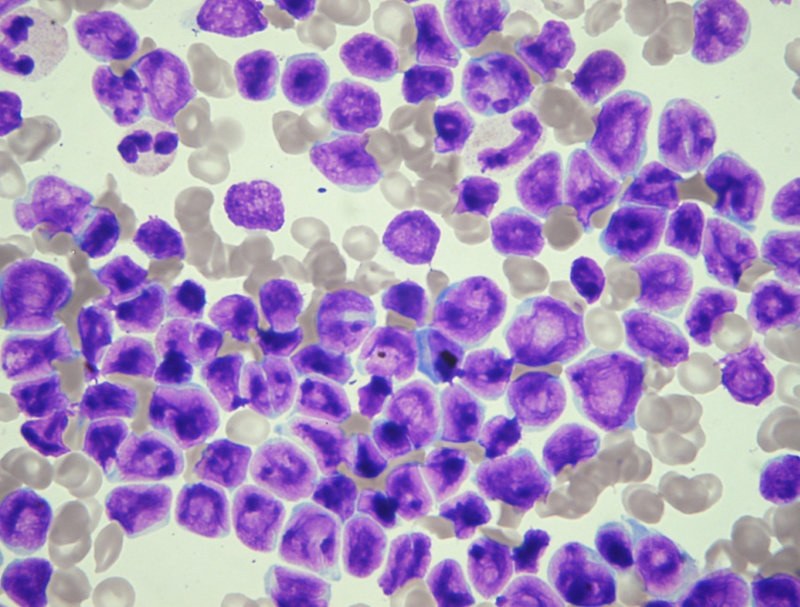
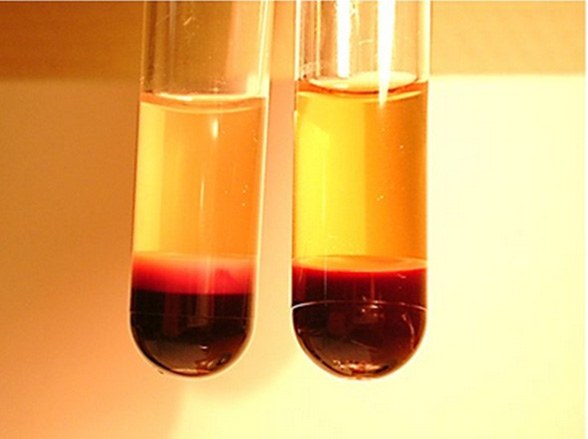
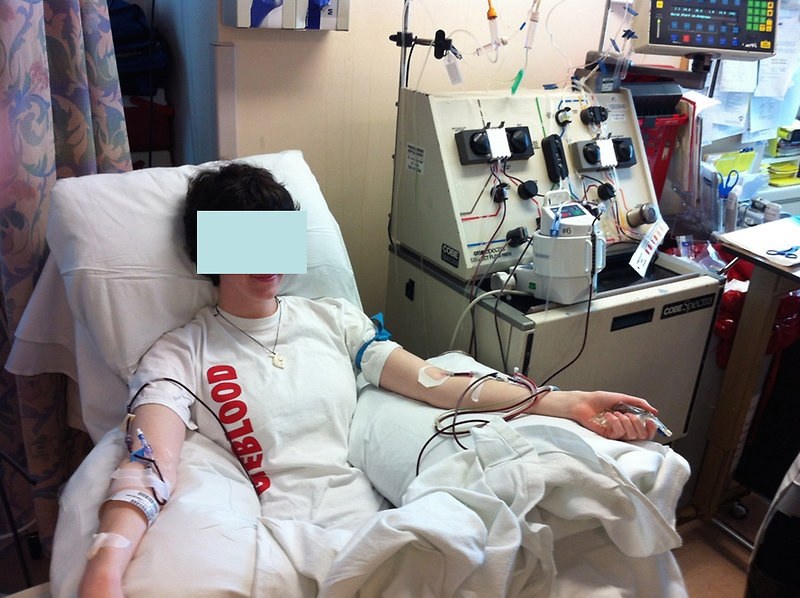
👉In photo 1: extreme hyperleukocytosis in peripheral blood of a patient with acute T-lymphoblastic leukemia (T-ALL). Photo 2: Peripheral blood sample with an excessive number of leukemic blasts (T-ALL) – left, compared to normal blood – right. Photo 3: Leukapheresis (procedure for removing leukocytes from the blood).
👉Hyperleukocytosis is defined as a total leukocyte count > 100,000/µL in peripheral blood.
✅The main complication of leukostasis syndrome is microcirculatory thrombosis due to increased blood viscosity. Mechanical obstruction of capillaries by blasts and subsequent impaired microcirculatory perfusion (e.g., in organs such as the brain, lungs, renal glomeruli). In addition to mechanical obstruction, leukemic blasts adhere to the endothelium and interact with it by producing cytokines. These changes after cytokine-dependent activation of endothelial cells can represent a loss of vascular integrity and endothelial modification, which can also lead to thrombosis.
✅Leukostasis and hyperviscosity syndrome are more common in acute myeloid leukemia than in acute lymphoblastic leukemia. Patients are at high risk of severe, life-threatening complications. 👉Clinical picture, symptoms: ✅Hyperleukocytosis can affect any organ in the body, but usually the first symptoms are related to the respiratory system and the central nervous system (CNS). ✅Pulmonary symptoms: usually begin slowly — tachypnea, dyspnea, and cough gradually increase. Leukostasis in the pulmonary capillaries blocks oxygen diffusion, leading to hypoxia, acidosis, microthrombosis, and bleeding into the lung parenchyma and acute respiratory failure. ✅CNS symptoms: hyperleukocytosis leads to a wide range of neurological symptoms (headache, changes in behavior and mental status, impaired consciousness, confusion, speech problems, ataxia, nystagmus, blurred vision, diplopia, papilledema). There is a high risk of intracranial hemorrhage. ✅Genitourinary symptoms: decreased renal blood flow and glomerular microthrombosis lead to acute renal failure with oliguria and anuria. In males, priapism (a condition of painful erection that lasts for several hours in the absence of sexual stimulation and after ejaculation) may be the first symptom. ✅Gastrointestinal symptoms: leukostasis in visceral vascularization leads to ischemia of the intestinal wall and bleeding into the intestine. The patient complains of severe abdominal pain plus/minus melena. The clinical picture of leukocytosis is usually associated with tumor lysis syndrome and disseminated intravascular coagulation syndrome.
✅According to the literature, hyperleukocytosis is associated with 10–15% mortality in acute or chronic myeloid leukemia and 5% mortality in acute lymphoblastic leukemia.
👉Information on hyperleukocytosis was taken and translated into Russian from the website of Masaryk University, Faculty of Biostatistics and Analysis (Czech Republic). Currently, 42,182 students are studying at this university across nine faculties.


