

✨ Scientists from Germany presented 96-week follow-up data for patients with cold agglutinin disease (CAD) who received sutimlimab. The study confirmed the high efficacy and safety of this therapy.
❄ What is cold agglutinin disease? CAD is a rare lymphoproliferative disorder in which autoantibodies (IgM) cause red blood cell destruction when the temperature drops. Key symptoms:
- Anemia (↓ hemoglobin, ↑ reticulocytes, ↑ bilirubin)
- Acrocyanosis (bluish discoloration of fingers in the cold)
- Tendency to thrombosis
- Reduced quality of life
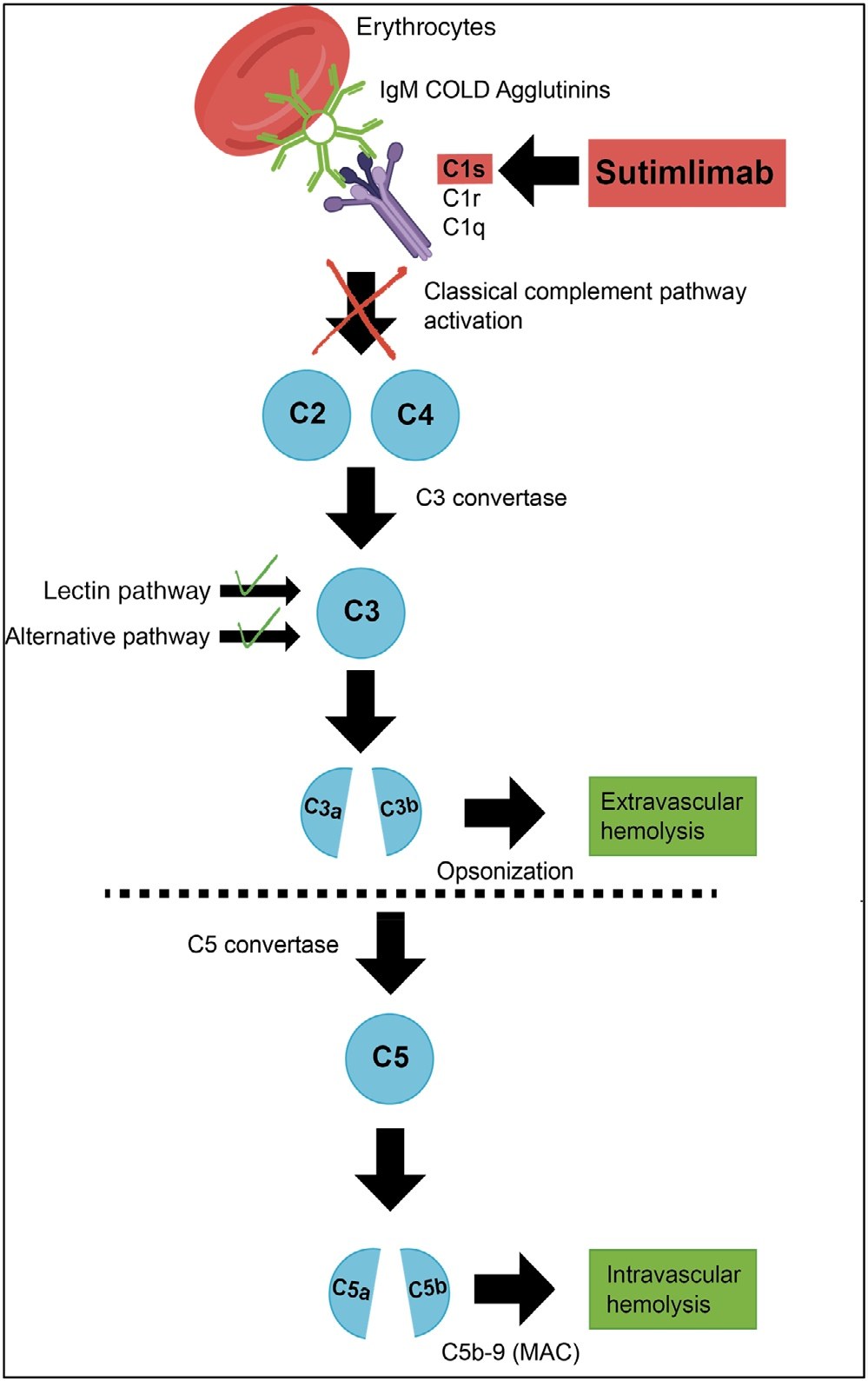
💊 How does sutimlimab work? It is a monoclonal antibody that selectively blocks the C1s component of the classical complement pathway, preventing hemolysis, but not affecting the alternative and lectin pathways.
🔬 Key study results The program included 10 patients, 8 of whom had previously received sutimlimab in clinical trials. Here are the main changes after therapy:
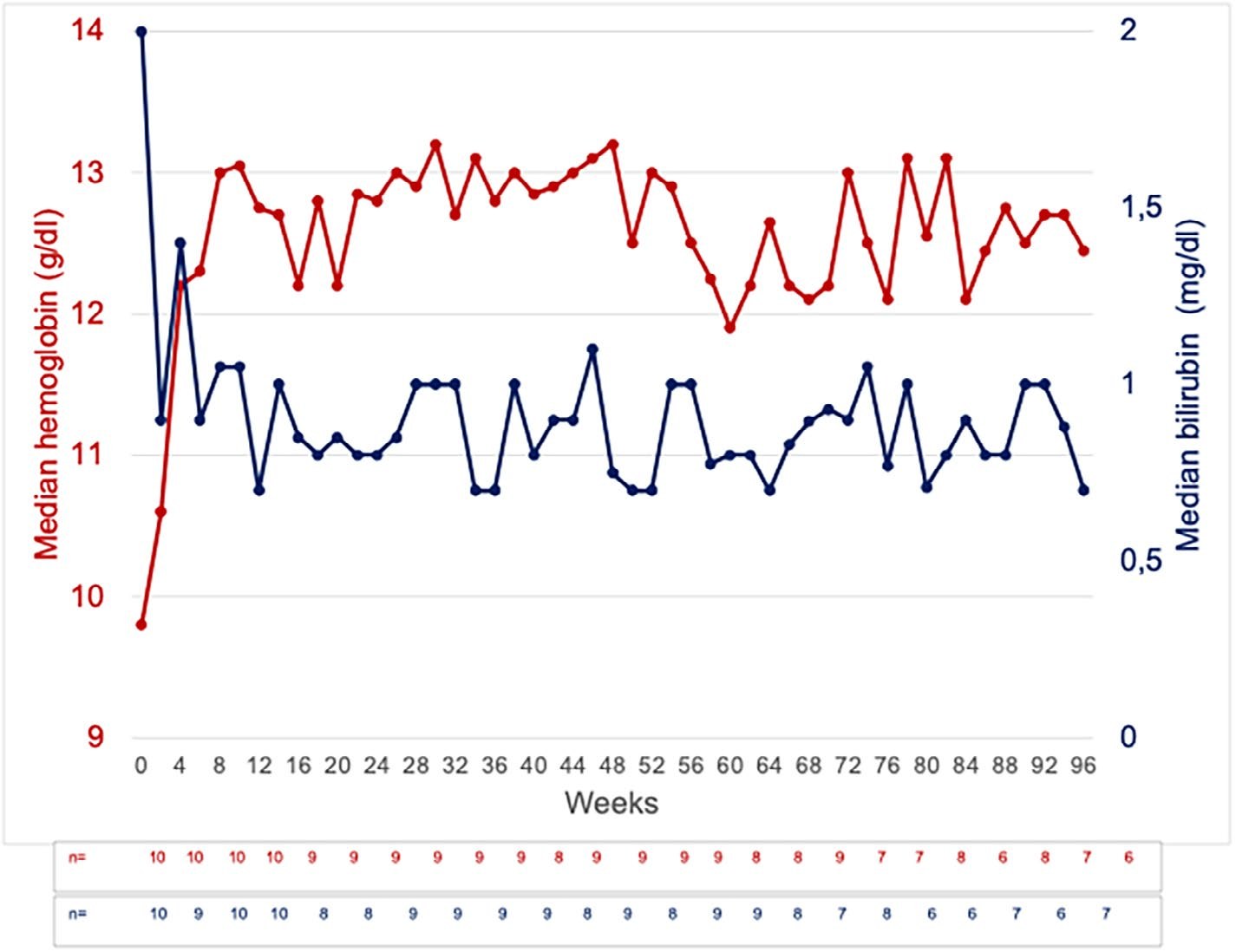
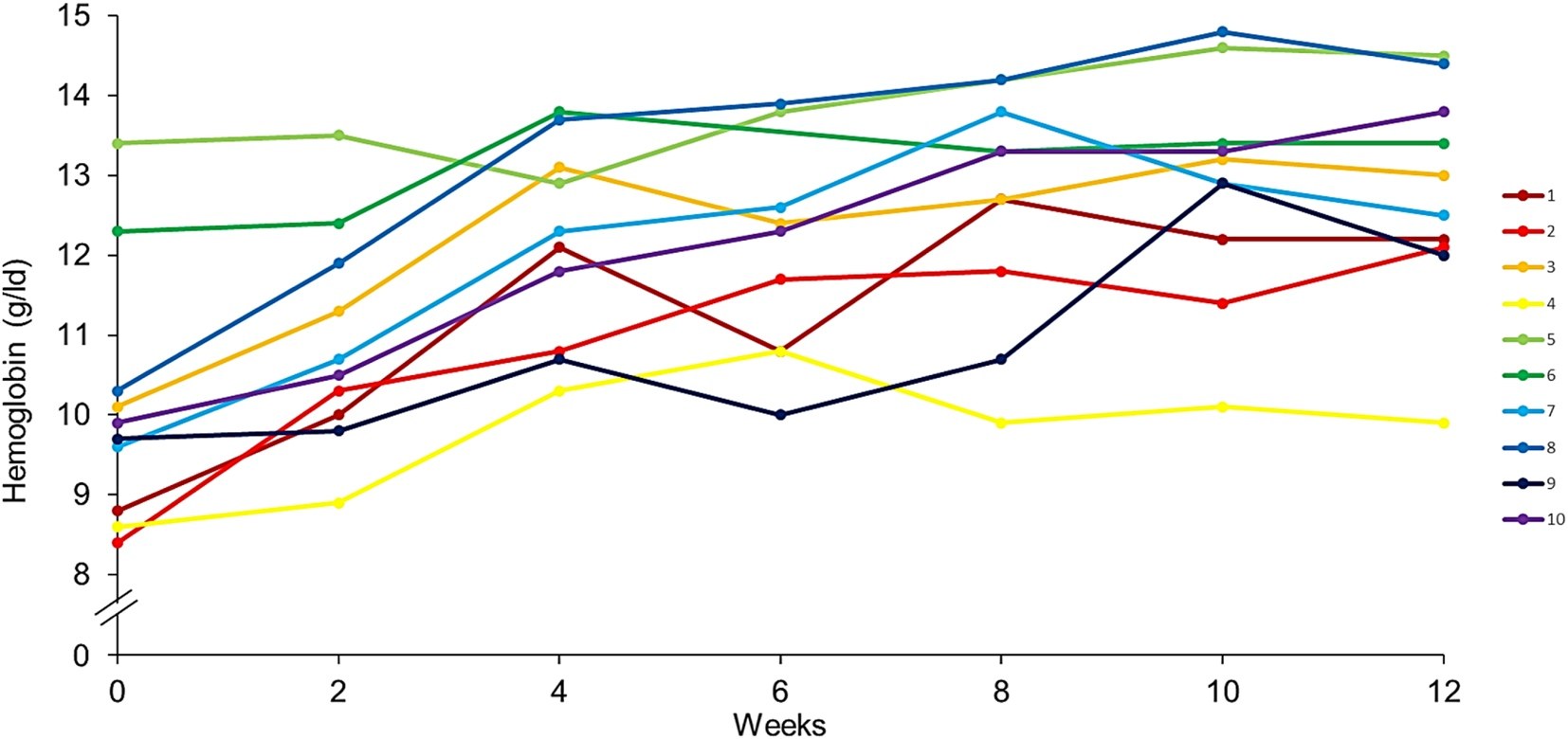
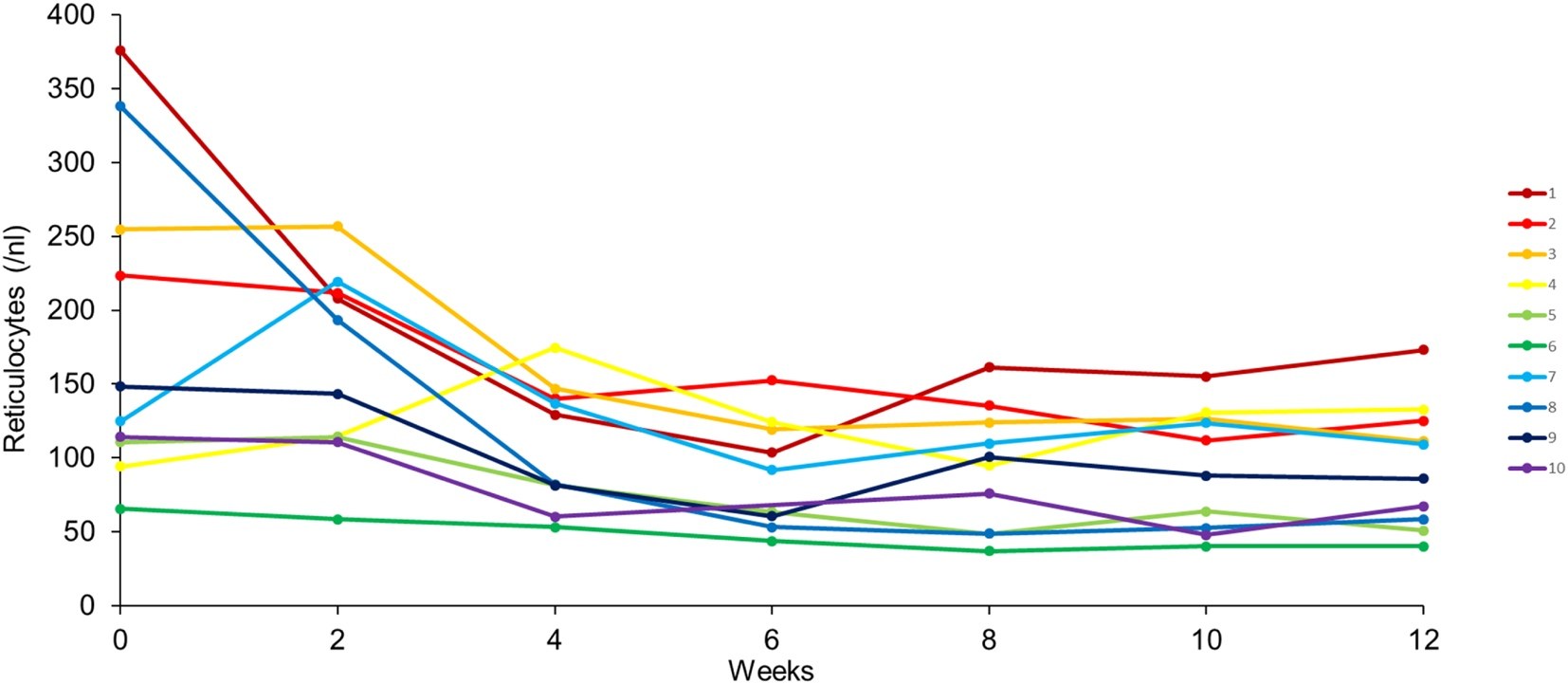
📈 Hemoglobin → increased from 9.8 g/dL to 12.5 g/dL 📉 Bilirubin → normalized within 2 weeks 🔽 Reticulocytes → decreased in 9 out of 10 patients 🛡 Hemopexin → restored in all
🔥 No serious side effects (e.g., meningococcal infections) were reported.
🚀 Conclusions 1⃣ Sutimlimab is an effective and safe treatment option for CAD. 2⃣ Treatment provides a rapid and stable response (follow-up up to 5.25 years). 3⃣ No blood transfusions are required, and patients’ quality of life significantly improves.
Source: Frey SM, Röth A, Halberstadt P, et al. Sutimlimab in Patients With Cold Agglutinin Disease: Results From a Managed Access Program. Eur J Haematol. 2025.


