

Clinical Case: Acute Sore Throat and Rash After Amoxicillin Therapy
Colleagues, today we will discuss a classic, yet always relevant situation in hematological practice, where blood smear morphology provides the definitive diagnosis.
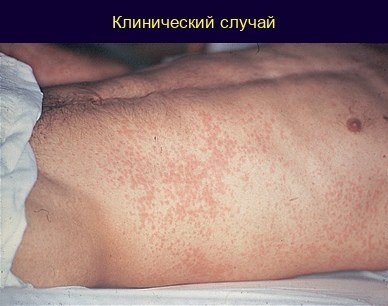
Anamnesis and Clinical Picture: A 19-year-old male patient presented with a three-day history of sore throat. On examination: signs of acute tonsillitis, pronounced bilateral cervical lymphadenopathy. He was prescribed a course of amoxicillin, after which he developed a widespread erythematous rash (a characteristic sign in this pathology).
Complete Blood Count Parameters: ✅ Hemoglobin: 123 g/L ✅ Leukocytes: 7.6 × 10⁹/L ✅ Leukocyte Differential Count: lymphocytes — 63%, neutrophils — 34% (relative lymphocytosis) ✅ Platelets: 150 × 10⁹/L
Blood Smear Morphology: In the peripheral blood smear, large activated lymphocytes with abundant basophilic cytoplasm are visualized, sometimes “hugging” adjacent erythrocytes.
Diagnosis: Infectious Mononucleosis.
Case Discussion: ✅ Etiology: The disease is caused by the Epstein-Barr virus, which primarily affects B-lymphocytes. However, the characteristic reactive changes we see in the smear (atypical mononuclear cells) are activated T-lymphocytes reacting to infected B-cells.
✅ Diagnosis: Paul-Bunnell screening test (or monospot test) for detecting heterophile antibodies. The principle is based on the ability of these antibodies not to be absorbed by guinea pig kidney cells, but to be actively absorbed by bovine erythrocytes. A more specific method is the determination of immunoglobulin M class antibodies to the Epstein-Barr virus capsid antigen.
✅ Differential Diagnosis: Similar hematological pictures (lymphocytosis, reactive lymphocytes) can be caused by cytomegalovirus infection, toxoplasmosis, and adenovirus infection. However, in these conditions, the heterophile antibody test will be negative.
✅ Possible Complications: Generalized lymphadenopathy and splenomegaly (risk of spontaneous splenic rupture). Immune thrombocytopenia and immune hemolytic anemia. Hepatitis. In the long term, the virus is associated with the development of Burkitt lymphoma and other B-cell lymphomas, especially in immunocompromised individuals.
Have you encountered a “diagnostic” rash after antibiotics in mononucleosis in your practice? Share your experience in the comments.


