

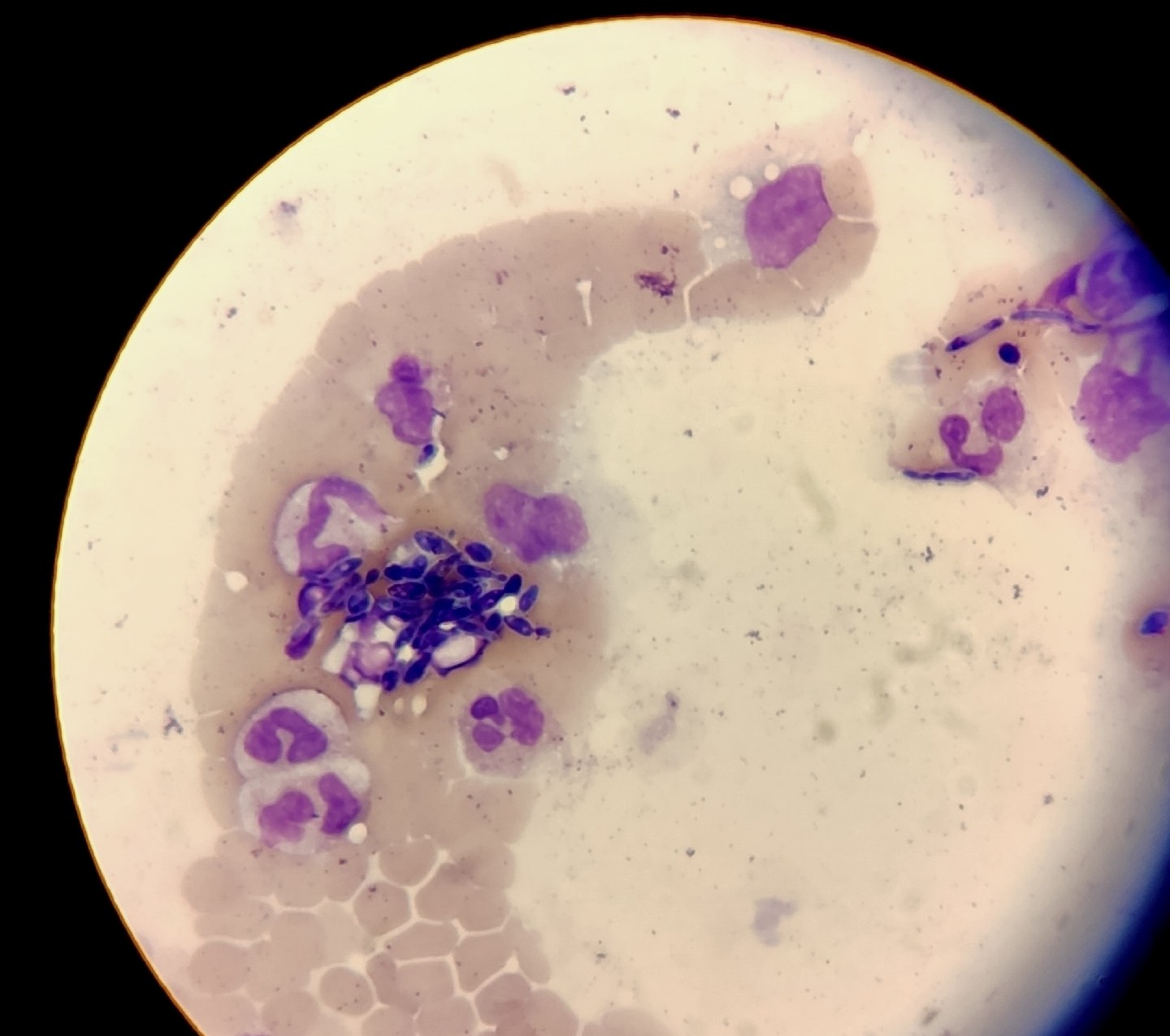
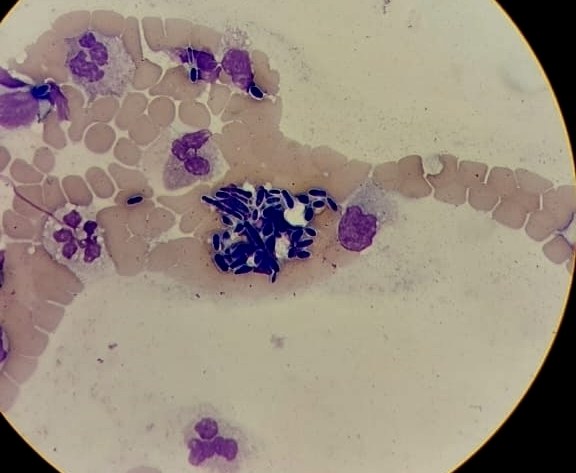
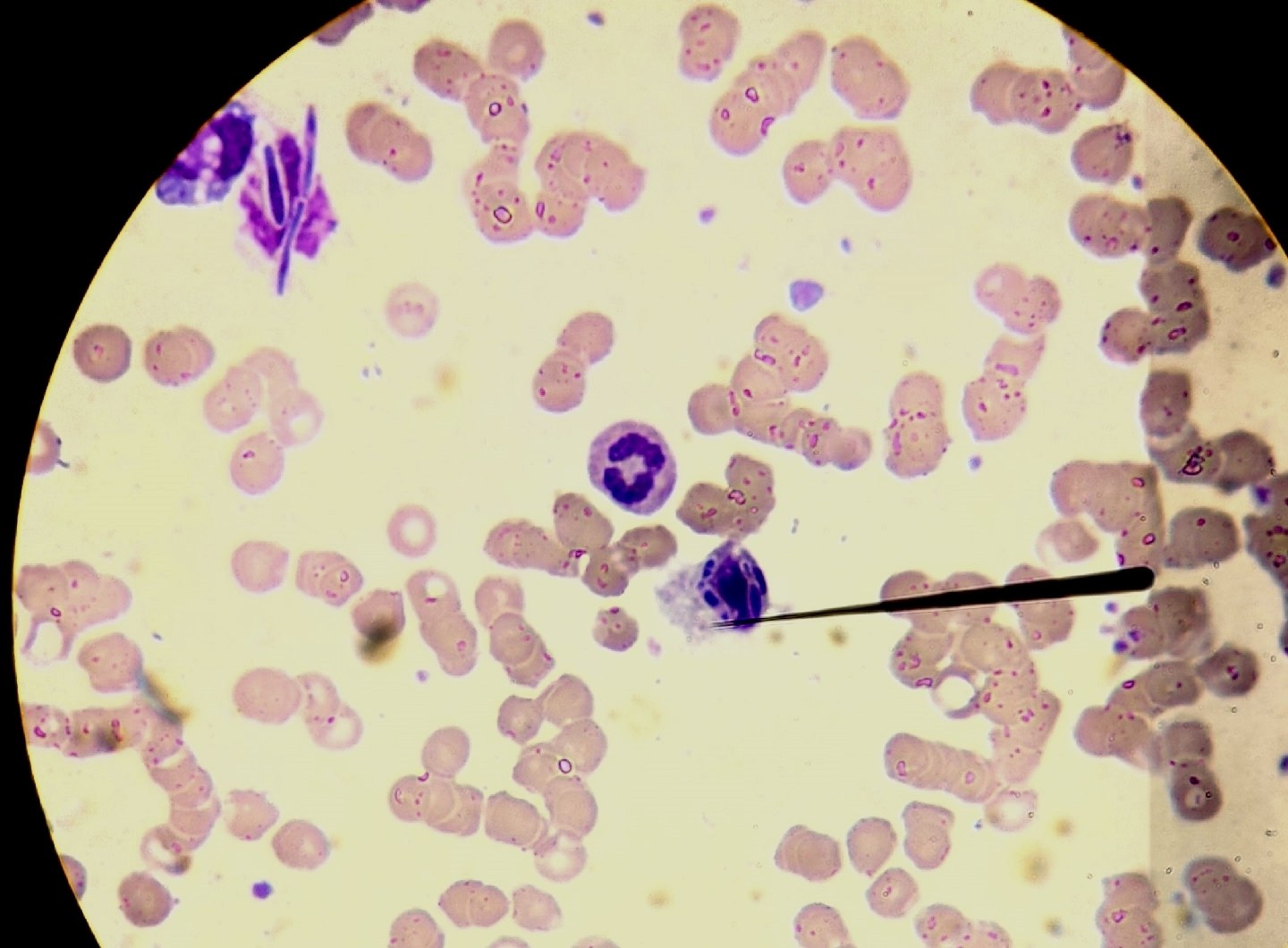
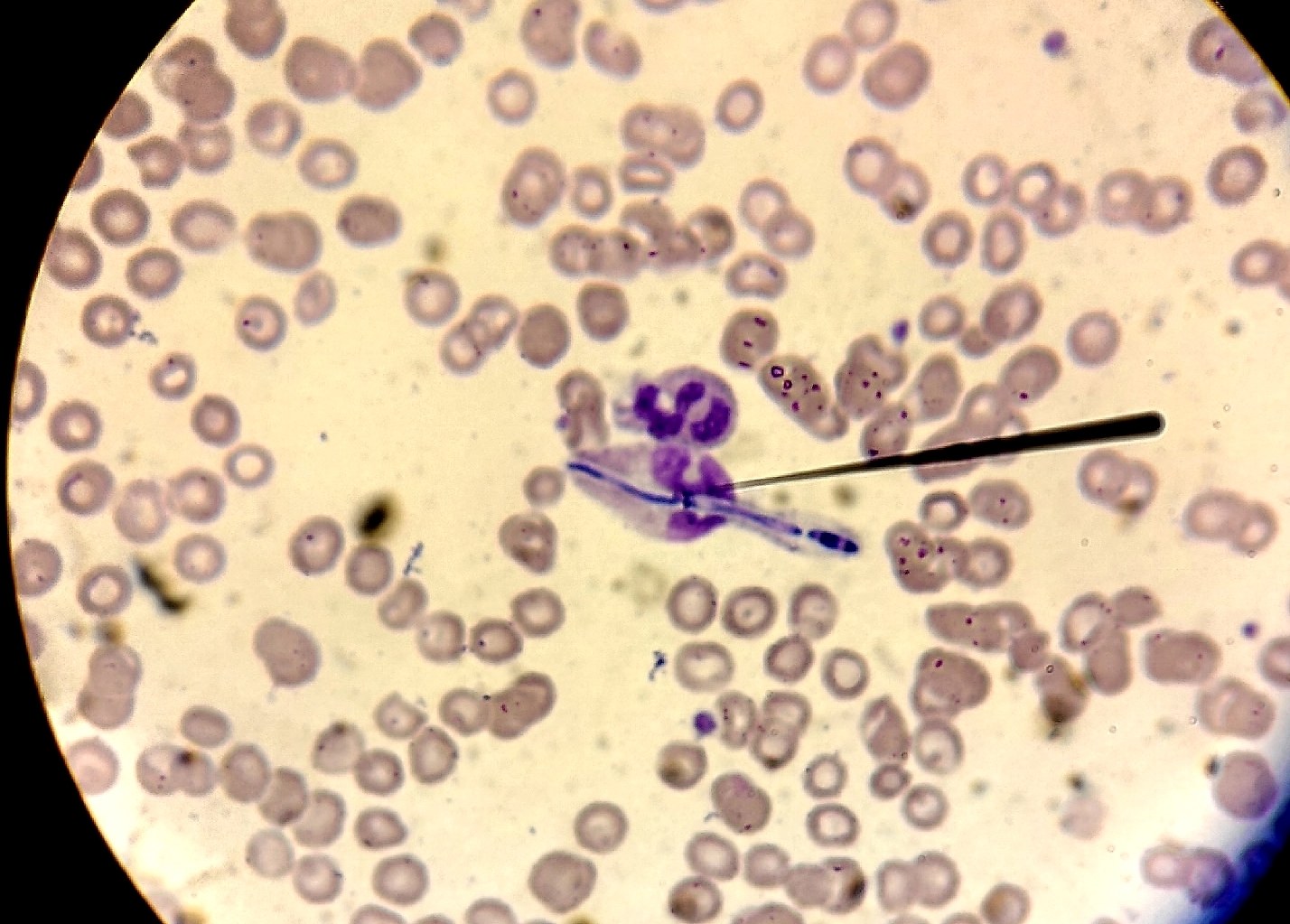
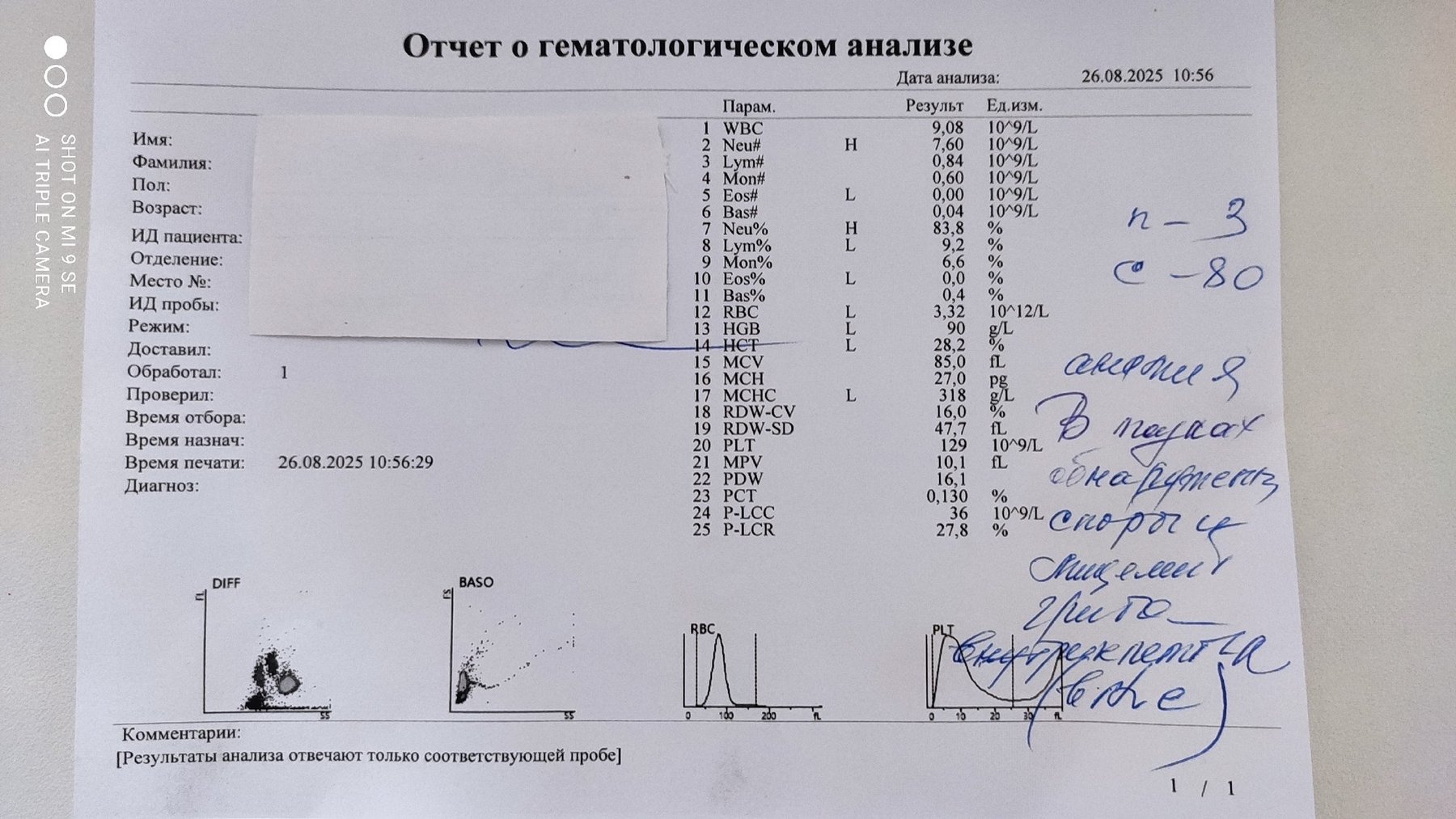
❗ A 30-year-old male patient was in the intensive care unit in a coma. His medical history included a malignant neoplasm of the vermiform appendix. Chemotherapy and antibiotic treatment were administered. Fungal sepsis developed against this background.
🙏 The case was kindly provided by Inna Storozheva, Clinical Diagnostic Laboratory of the Regional Hospital in Kaliningrad.
👉 Reference information: Fungal blood sepsis, or candidemia, is a life-threatening condition caused by the spread of yeast fungi (most often of the genus Candida) into the bloodstream, leading to generalized inflammation throughout the body. Symptoms include high fever or chills, confusion, rapid heartbeat, drop in blood pressure, difficulty breathing, and weakness. Risk factors include weakened immunity, prolonged stay in intensive care, parenteral nutrition, oncological diseases, diabetes, and old age. Treatment requires hospitalization and antifungal therapy prescribed by a doctor.


