

🩸 Is it time to revise the “critically low” fibrinogen threshold?
Fibrinogen is a key protein of the hemostatic system. It is fibrinogen that, when converted into insoluble fibrin by thrombin, forms the basis of a clot and stops bleeding. A deficiency of this factor can lead to fatal consequences, but what level should be considered truly dangerous? 🔍
The International Journal of Laboratory Hematology has published the results of a large retrospective study conducted at four Canadian clinics. Scientists analyzed data from 349 patients (adults and children) with acquired fibrinogen deficiency.
📊 Key findings of the study:
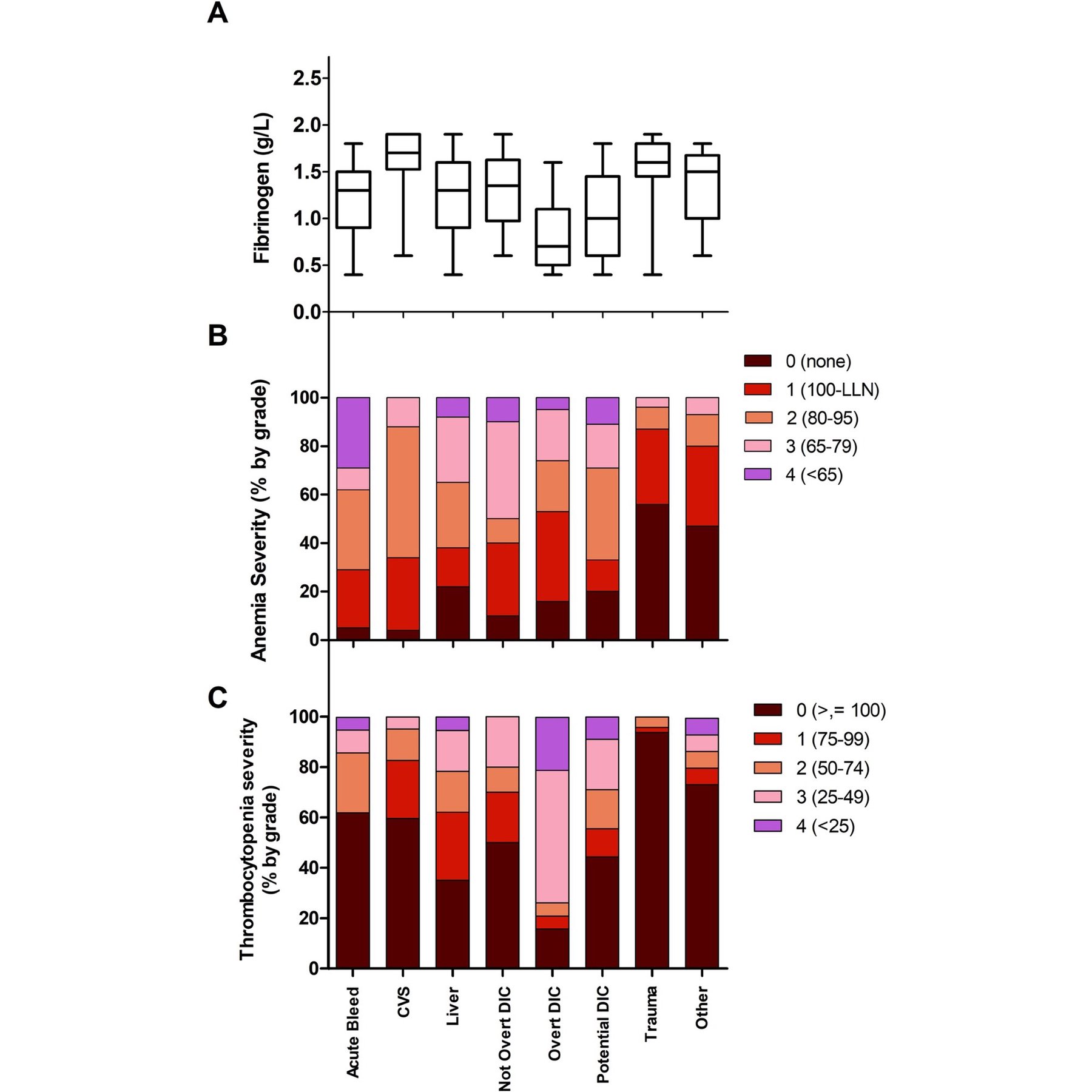
- Causes of deficiency. In most cases, hypofibrinogenemia was acquired. The main factors were:
- Cardiosurgical interventions;
- Severe trauma;
- Liver diseases (impaired protein synthesis);
- Disseminated intravascular coagulation (DIC syndrome).
Association with mortality. Researchers found that a low fibrinogen level is a powerful independent predictor of overall mortality. In patients with levels below a certain threshold, the chances of a fatal outcome increased by more than 6 times.
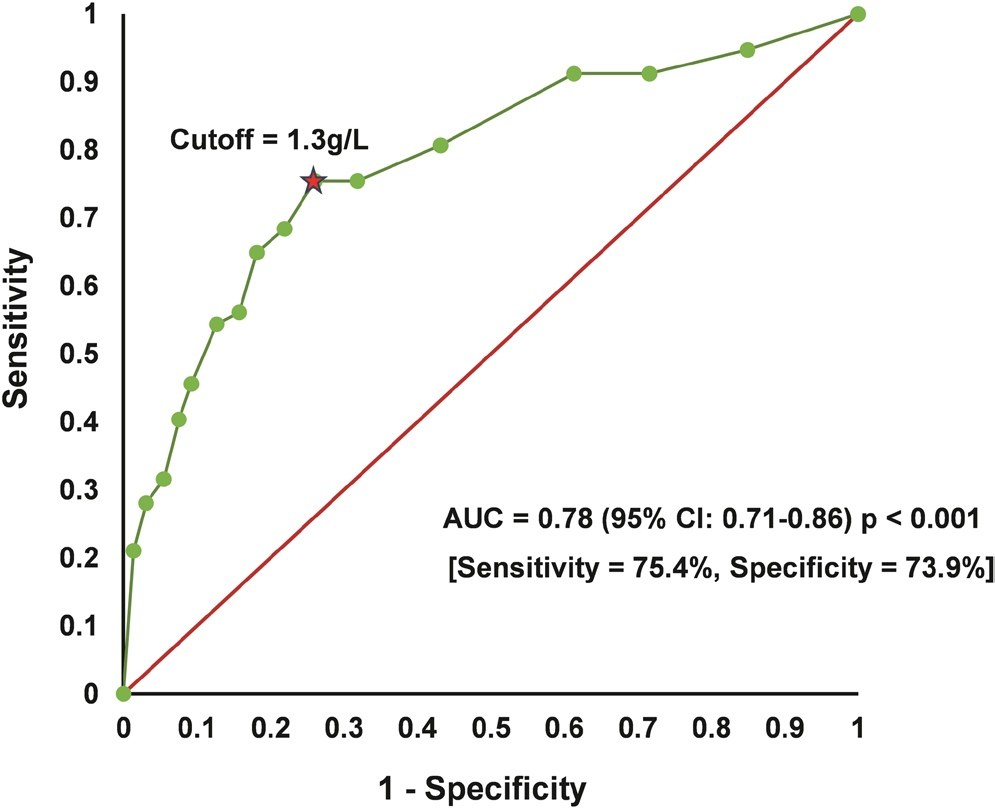
New risk threshold. Traditionally, a level below 1.0 g/L was considered critical. However, mathematical analysis (ROC curve) showed that the optimal threshold for predicting an unfavorable outcome is ≤ 1.3 g/L. 📉
📈 Clinical significance: A fibrinogen level ≤ 1.3 g/L has high sensitivity in predicting mortality. The average time from the detection of deficiency to a possible fatal outcome was only 1 day. This emphasizes the need for urgent laboratory diagnostics and timely replacement therapy with fibrinogen concentrates or cryoprecipitate.
👩⚕️ For practice: The authors urge laboratories to consider raising the critical threshold. Early notification to the physician when the level reaches 1.3 g/L can provide precious time to correct coagulopathy and save the patient’s life.
🩺 Summary: Hypofibrinogenemia is not just a number on an analysis form, but a signal of a critical state of the hemostatic system. Timely monitoring of this protein level by the Clauss method remains the “gold standard” in intensive care and surgery.
Source for citation: Mathews N, Tasneem S, Al Dawsari M, et al. Is It Time to Raise the Threshold for Critically Low Fibrinogen? Insights From a Retrospective, Consecutive-Case Cohort Study of Low Fibrinogen due to Various Causes. Int J Lab Hem. 2026;0:1–13. DOWNLOAD PDF


