

🇺🇿 Clinical Case from Uzbekistan
👤 Patient: 18 years old 🩺 Complaints: fatigue, weakness, palpitations, shortness of breath 🧠 Nervous system: sensation of “cotton wool” in legs, crawling sensations ❄ Constant cold in legs, numbness in fingers 🌡 Temperature: 38.0–37.8 °C
📊 Complete Blood Count (CBC): 🩸 Hemoglobin: 56 g/L ⚪ Leukocytes: 3.9 × 10⁹/L 🟢 Platelets: 234 × 10⁹/L
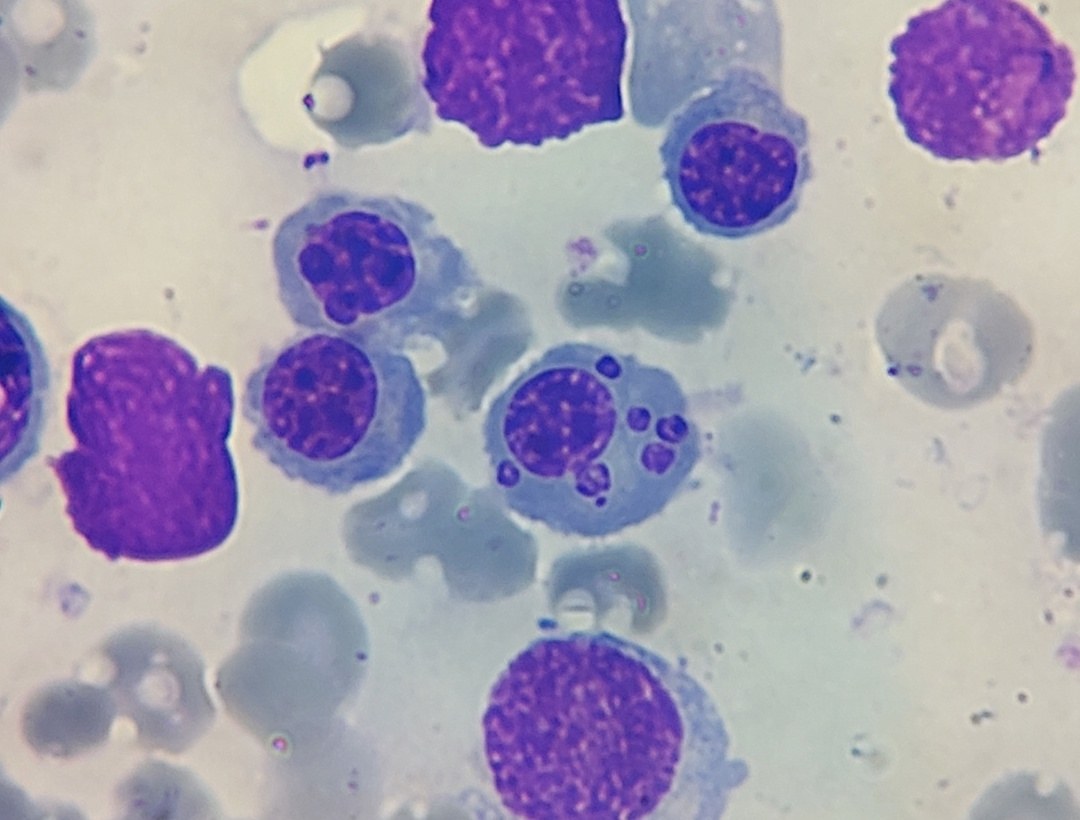
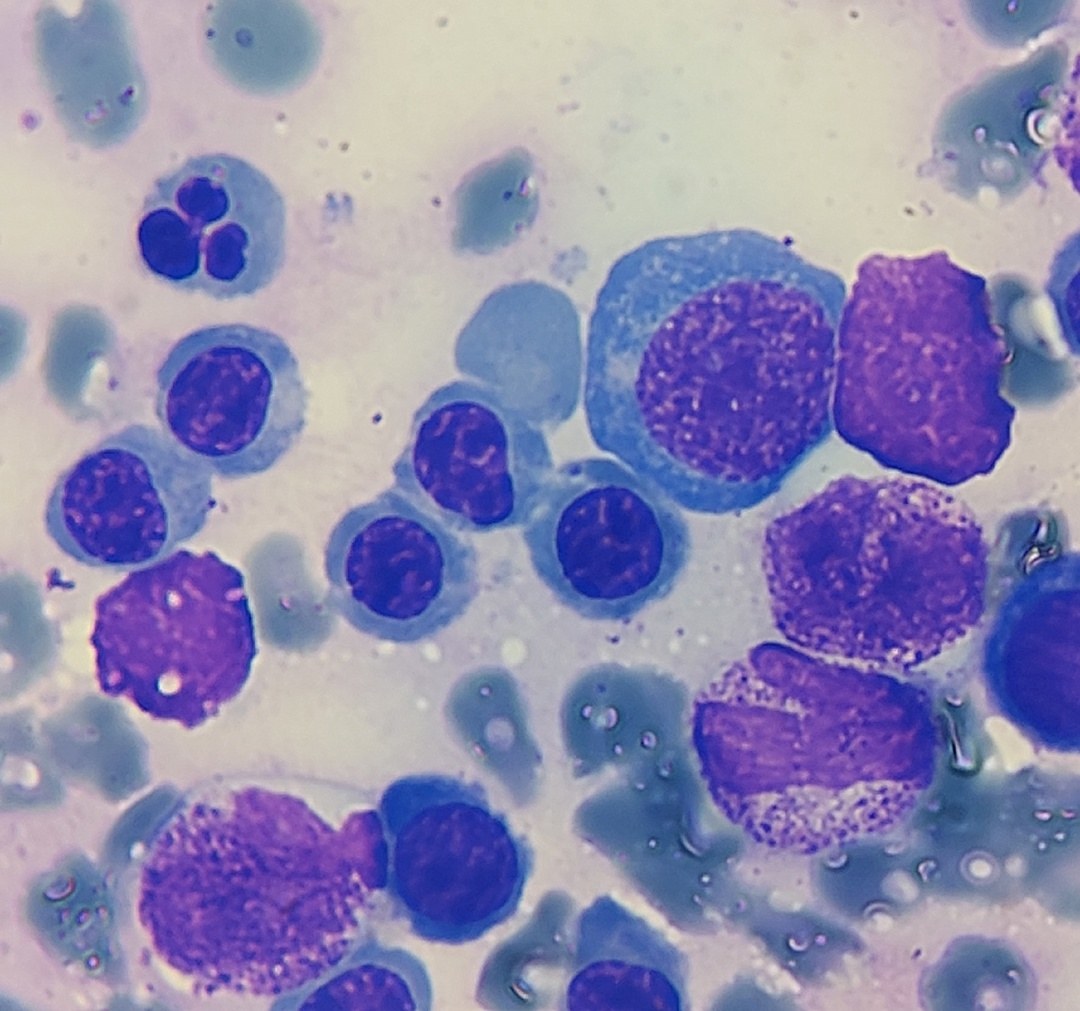
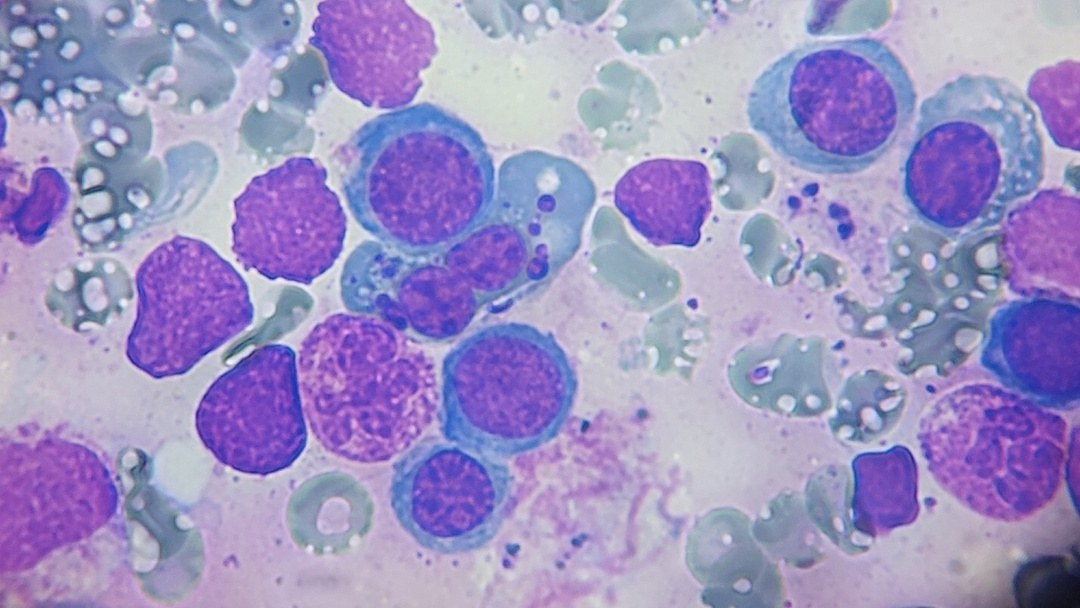
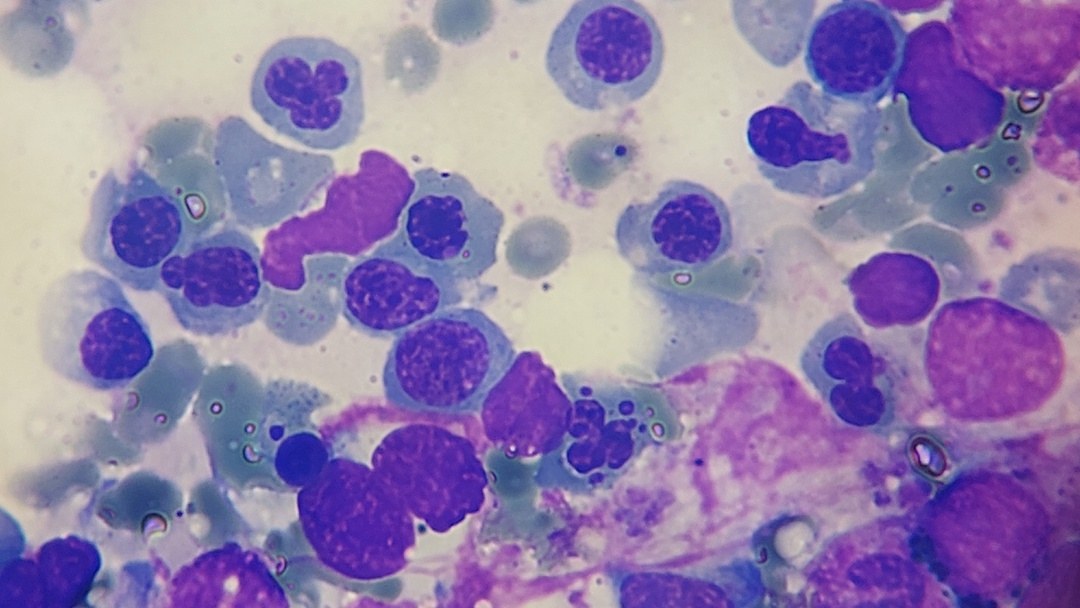
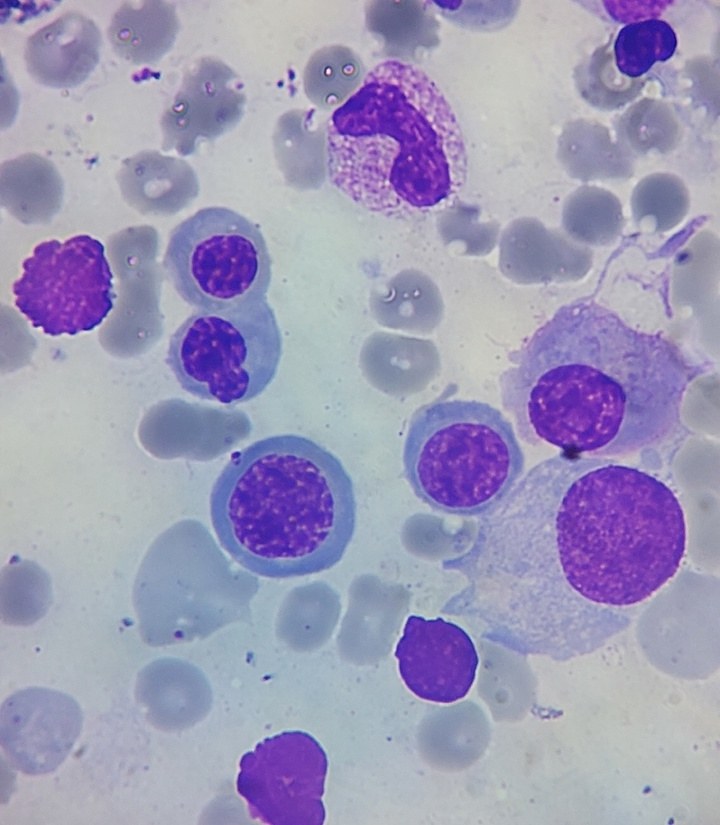
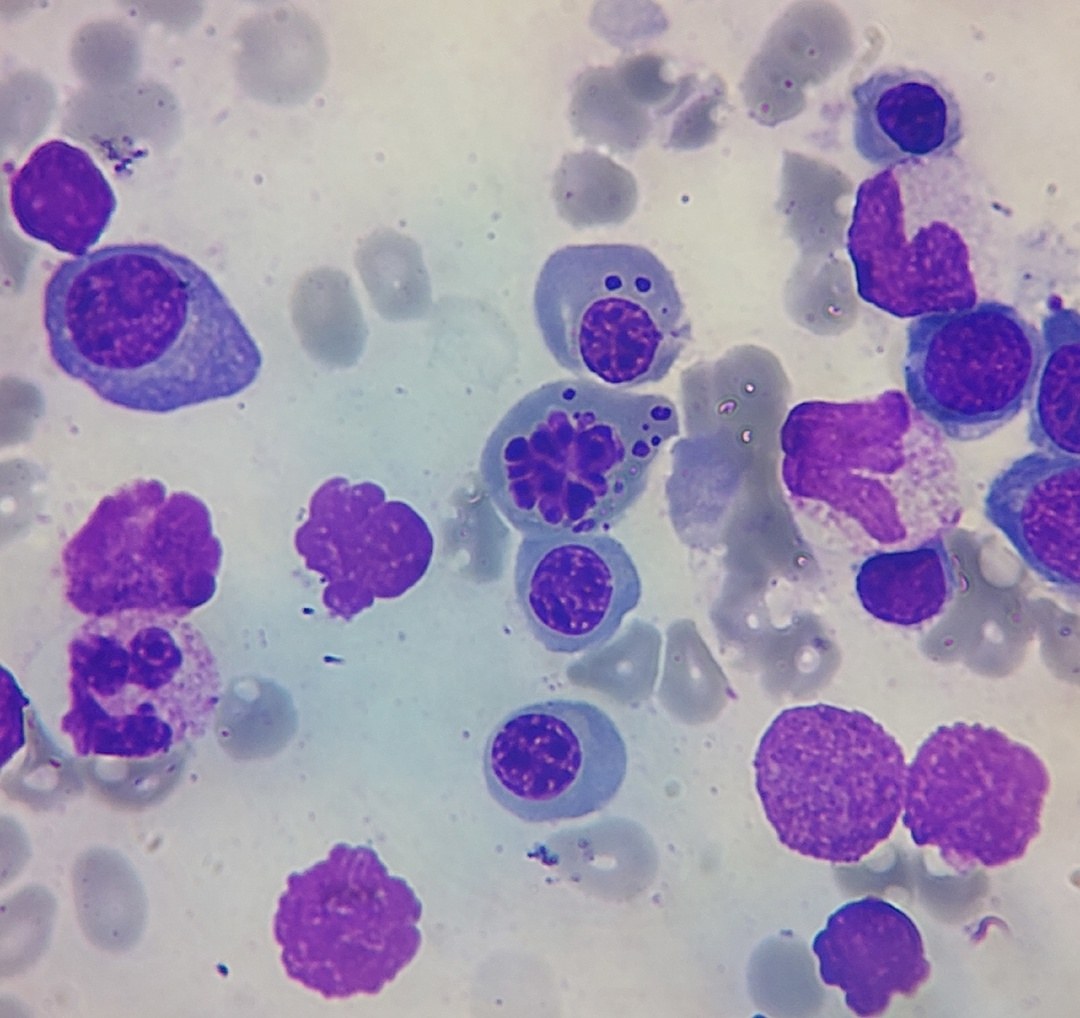
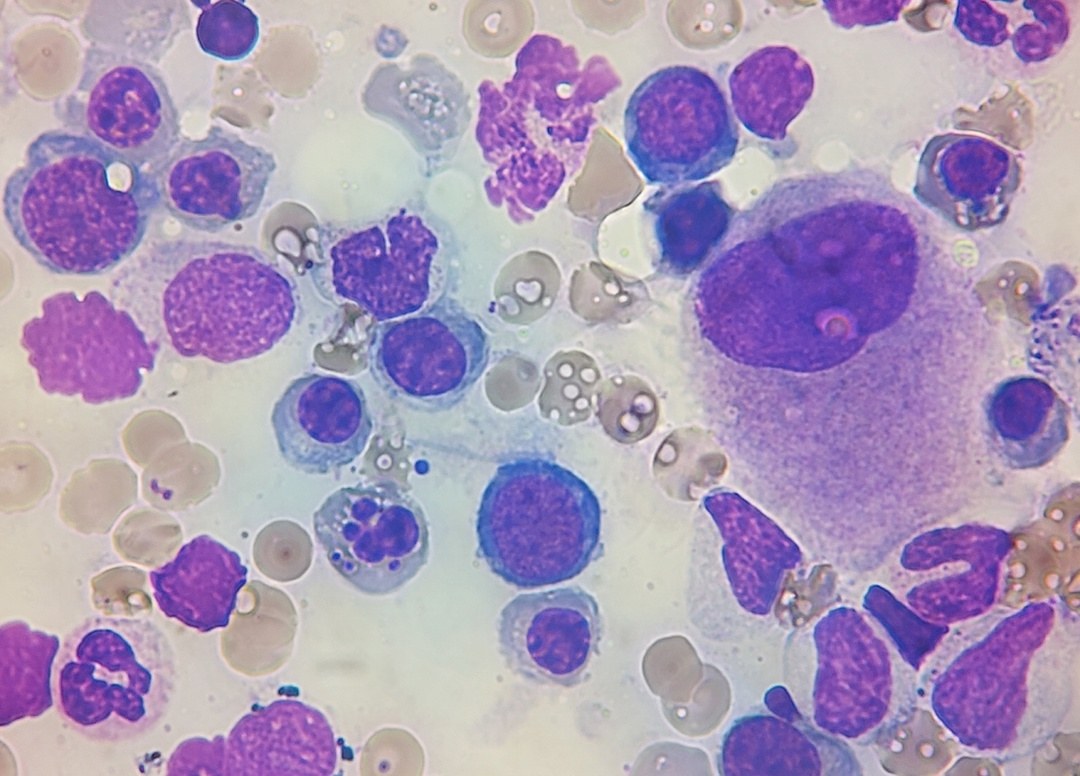
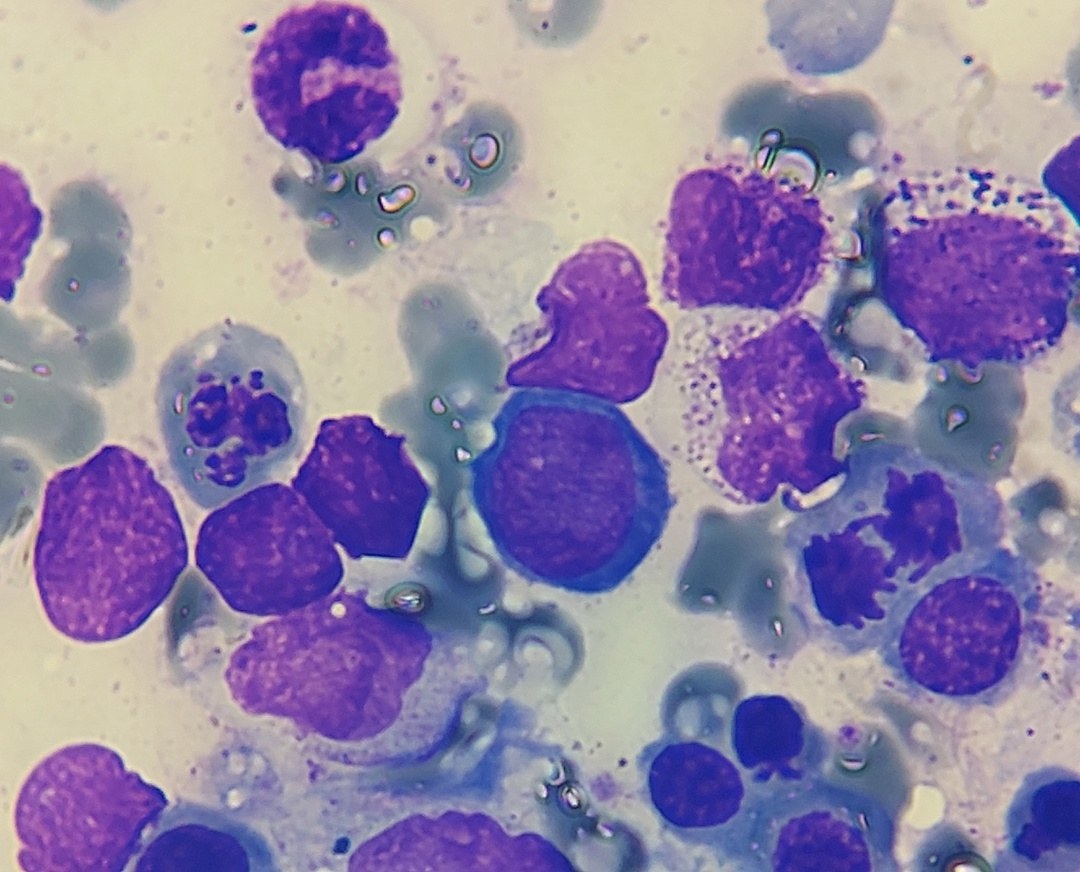
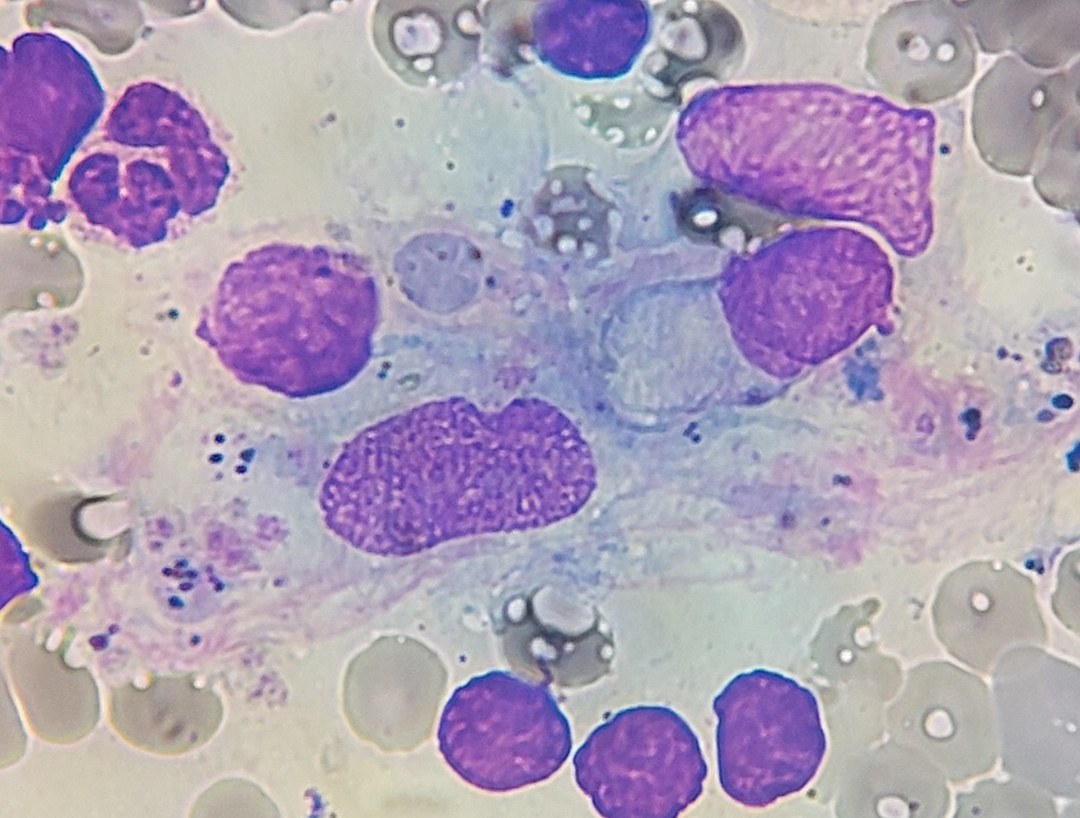
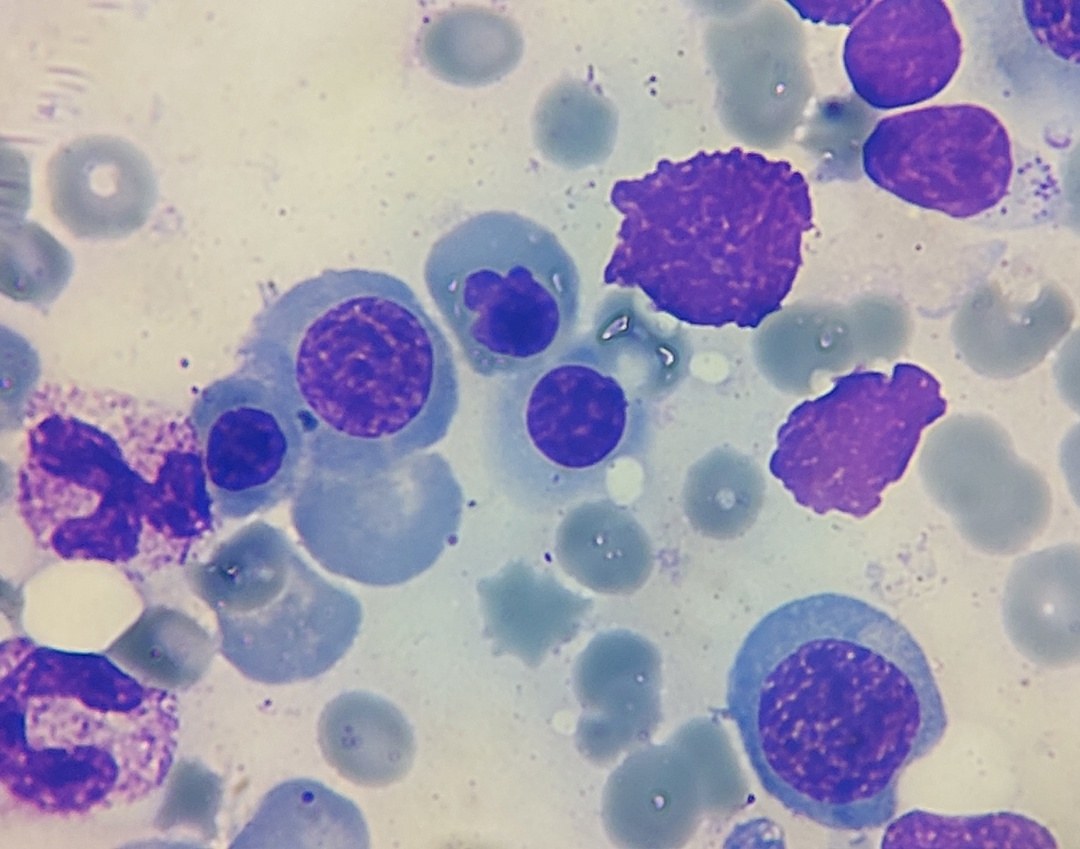
🔬 Bone Marrow Examination (images below): Megakaryocytes with platelet budding. Increased number of naked cytolytic cells. ⚠ Signs of dyserythropoiesis: ✅ Multinucleated cells (normoblasts with deformed nuclei) ✅ Inter-nuclear chromatin bridges ✅ Howell-Jolly bodies
⚠ Cells in late apoptosis (karyorrhexis, pyknotic nuclei) were also found.
🙏 Clinical case kindly provided by Zebiniso Kholmuradova, morphologist, Uzbekistan, Kashkadarya Multidisciplinary Children’s Medical Center.
📖 Interpretation
Based on the symptoms and laboratory data, the presumptive diagnosis may be megaloblastic anemia. Here are the key signs that support this assumption:
✅ Hematological parameters: very low hemoglobin level (56 g/L) and moderate decrease in leukocytes (3.9 × 10⁹/L), which is characteristic of megaloblastic anemia.
✅ Signs of dyserythropoiesis in the bone marrow: the presence of multinucleated cells, inter-nuclear chromatin bridges, Howell-Jolly bodies, and cells in apoptosis indicates abnormalities in the erythrocyte maturation process, which is also typical for megaloblastic anemia associated with vitamin B12 or folic acid deficiency.
✅ Neurological symptoms: symptoms such as the sensation of “cotton wool” in the legs, crawling sensations, constant cold, and numbness in the fingers may indicate vitamin B12 deficiency, as it affects the nervous system and causes similar sensations.
✅ Temperature: subfebrile temperature (around 38°C) can be observed in anemias and deficiency states, although it is a less specific symptom.
✅ Possible causes and diagnosis clarification The most likely cause of megaloblastic anemia is vitamin B12 or folic acid deficiency. To confirm the diagnosis, it is important to conduct:
🧪 Serum vitamin B12 and folic acid levels. Metabolites: methylmalonic acid and homocysteine levels, which are elevated in vitamin B12 deficiency.
🧪 Testing for antibodies to intrinsic factor and gastric parietal cells, if pernicious anemia is suspected as the cause of B12 deficiency.
💊 Treatment After confirming the diagnosis, vitamin replacement therapy (B12 or folic acid) is administered, which usually leads to an improvement in symptoms and restoration of blood counts.
For a more accurate diagnosis and to rule out other causes of deficiency anemia, consultation with a hematologist is recommended.
🌡 Elevated temperature in such an anamnesis can be associated with several reasons, related both to the anemia process itself and to other possible conditions. Here are some of them:
✅ Hypermetabolism due to severe anemia: low hemoglobin levels cause the body to compensatorily increase metabolism, which may be accompanied by subfebrile temperature. The body tries to maintain adequate oxygen supply to tissues, leading to increased work of the cardiovascular and respiratory systems, creating a burden and, as a result, an increase in temperature.
✅ Bone marrow cell breakdown: in megaloblastic anemia, increased apoptosis and breakdown of cells in the bone marrow are observed. These processes can cause an inflammatory reaction with the release of cytokines, which often leads to subfebrile temperature.
✅ Concomitant infections: patients with deficiency anemias, especially with low leukocyte levels, may have a weakened immune response and be susceptible to infections. Infections can be atypical and without pronounced symptoms, but accompanied by an increase in temperature. The possibility of hidden infections, such as urinary tract infections or latent respiratory tract infections, should be considered.
✅ Immune activation: in patients with severe anemias, especially in the presence of dyserythropoiesis, activation of the immune system may develop, which also leads to the production of pyrogens (interleukins and other pro-inflammatory cytokines), causing a rise in temperature.
✅ Autoimmune processes: in some cases, megaloblastic anemia may be accompanied by autoimmune processes, such as pernicious anemia, which is associated with autoimmune inflammation in the stomach (atrophic gastritis). Autoimmune diseases are often accompanied by subfebrile temperature due to chronic inflammatory activity.
✅ Systemic inflammation or concomitant disease: it is also possible that there is systemic inflammatory or another chronic disease that has not yet been diagnosed but contributes to subfebrile temperature.
❗ To accurately identify the cause of the elevated temperature, additional studies can be conducted, including C-reactive protein (CRP) and ESR to assess inflammatory activity, urinalysis to rule out urinary tract infections, and if necessary, chest X-ray or other imaging methods to rule out hidden infectious processes.


