

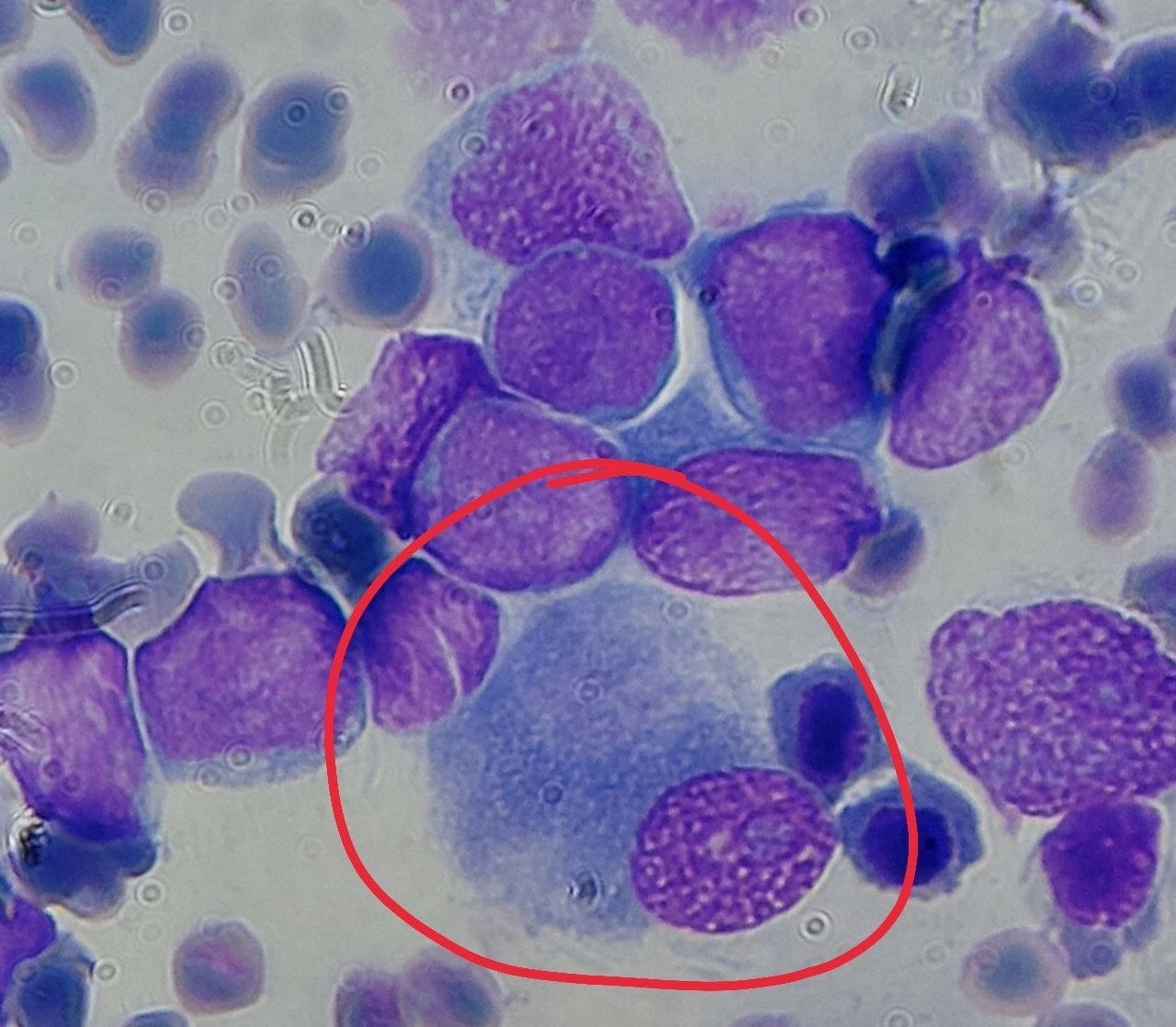
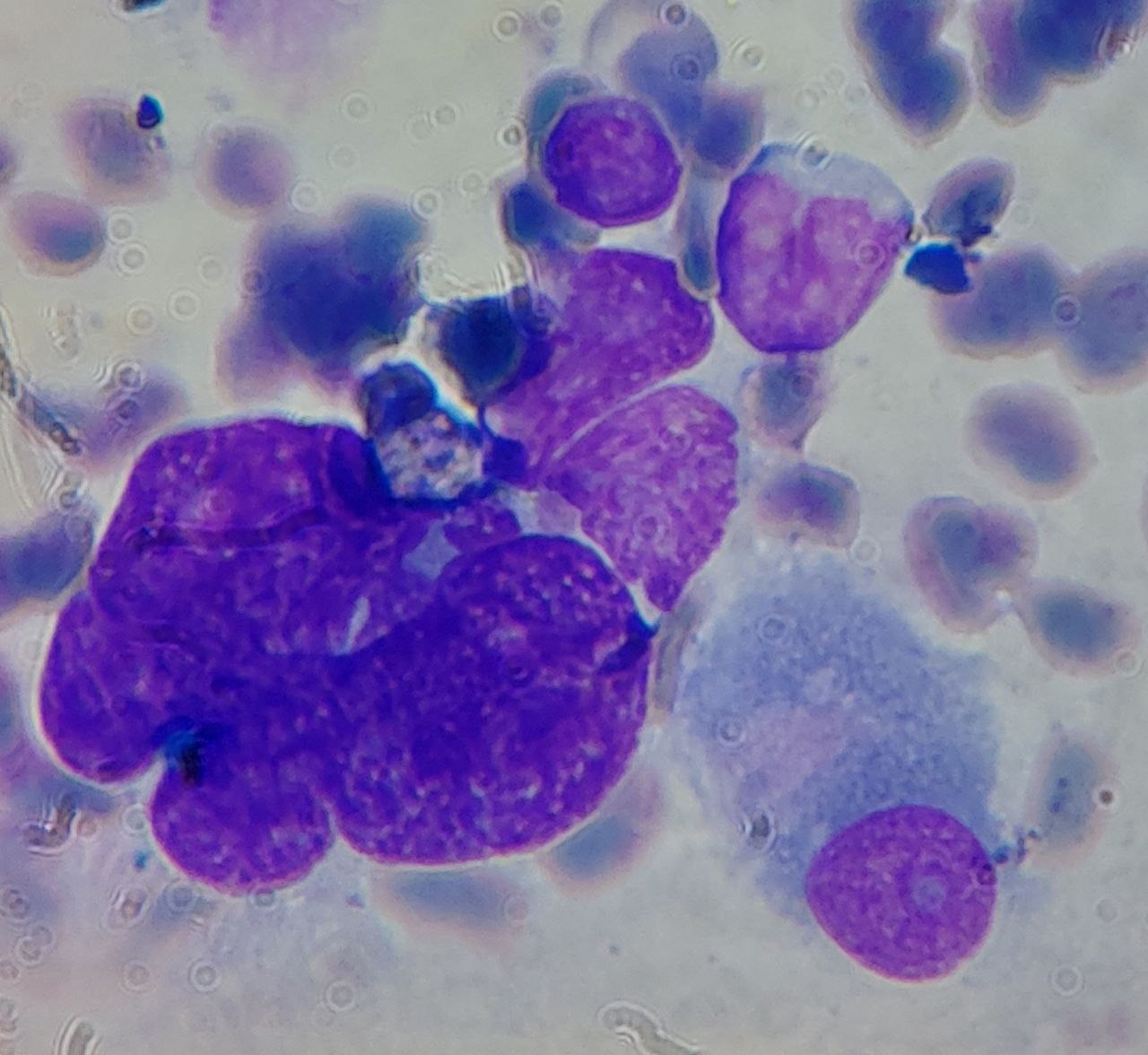
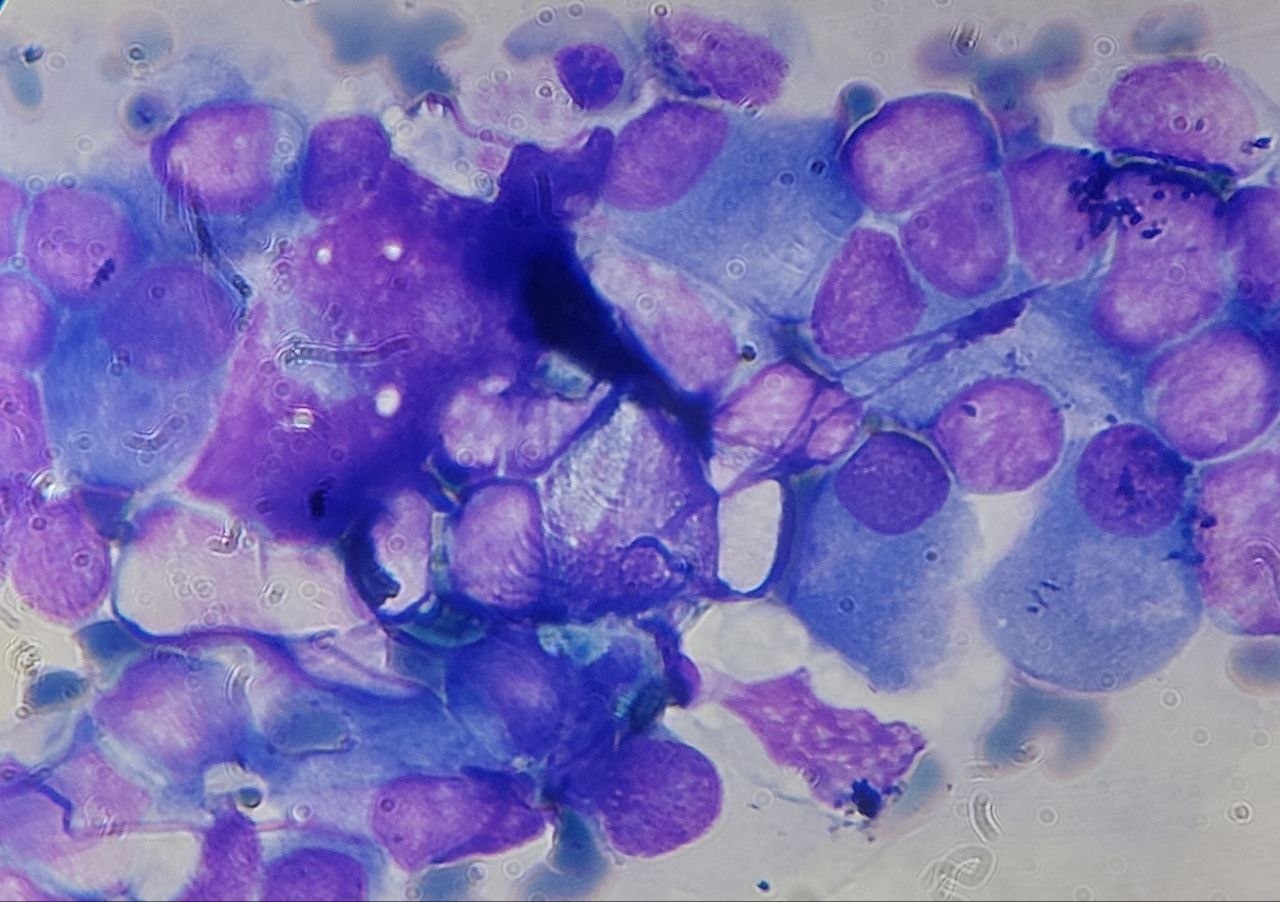
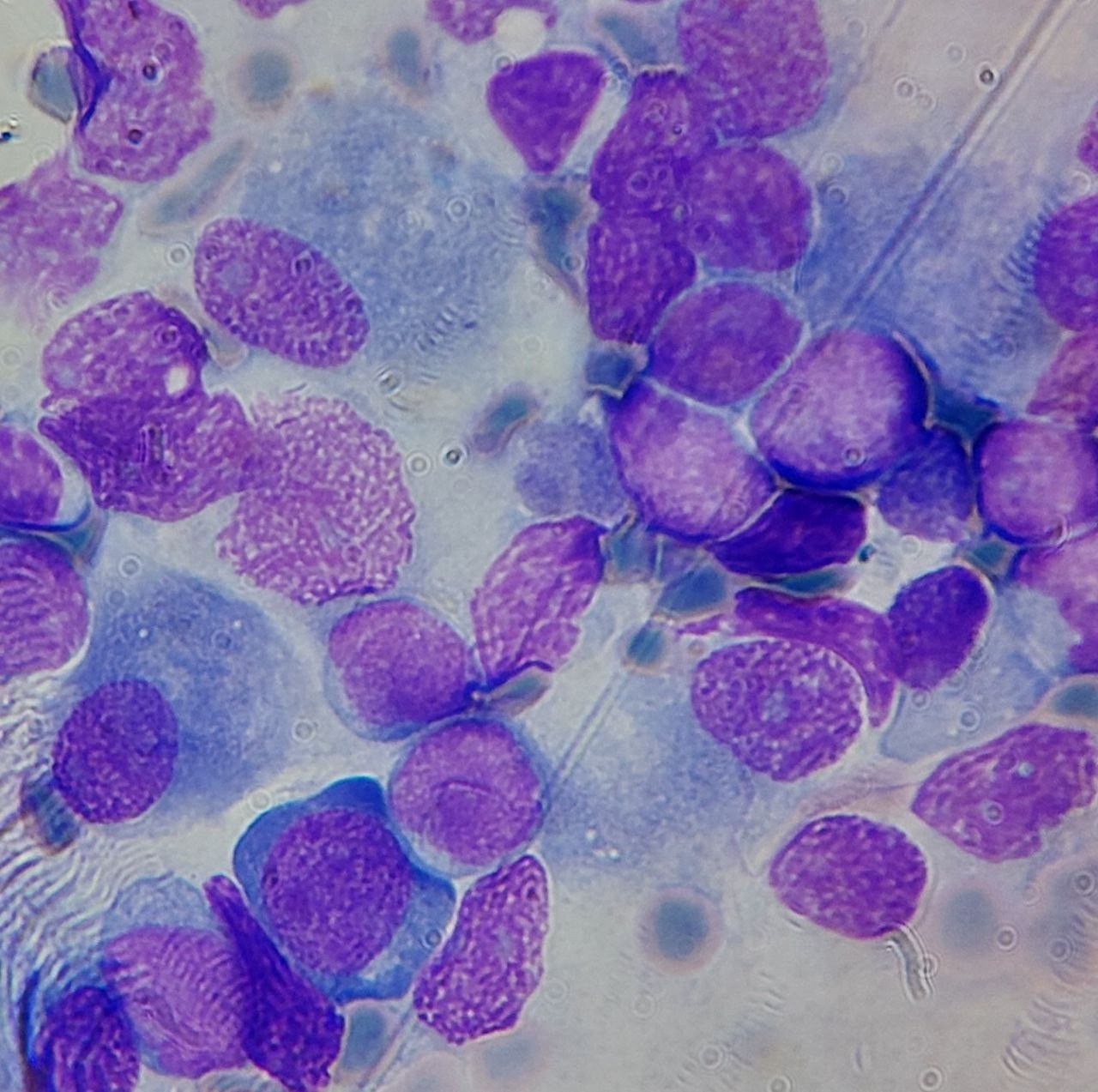
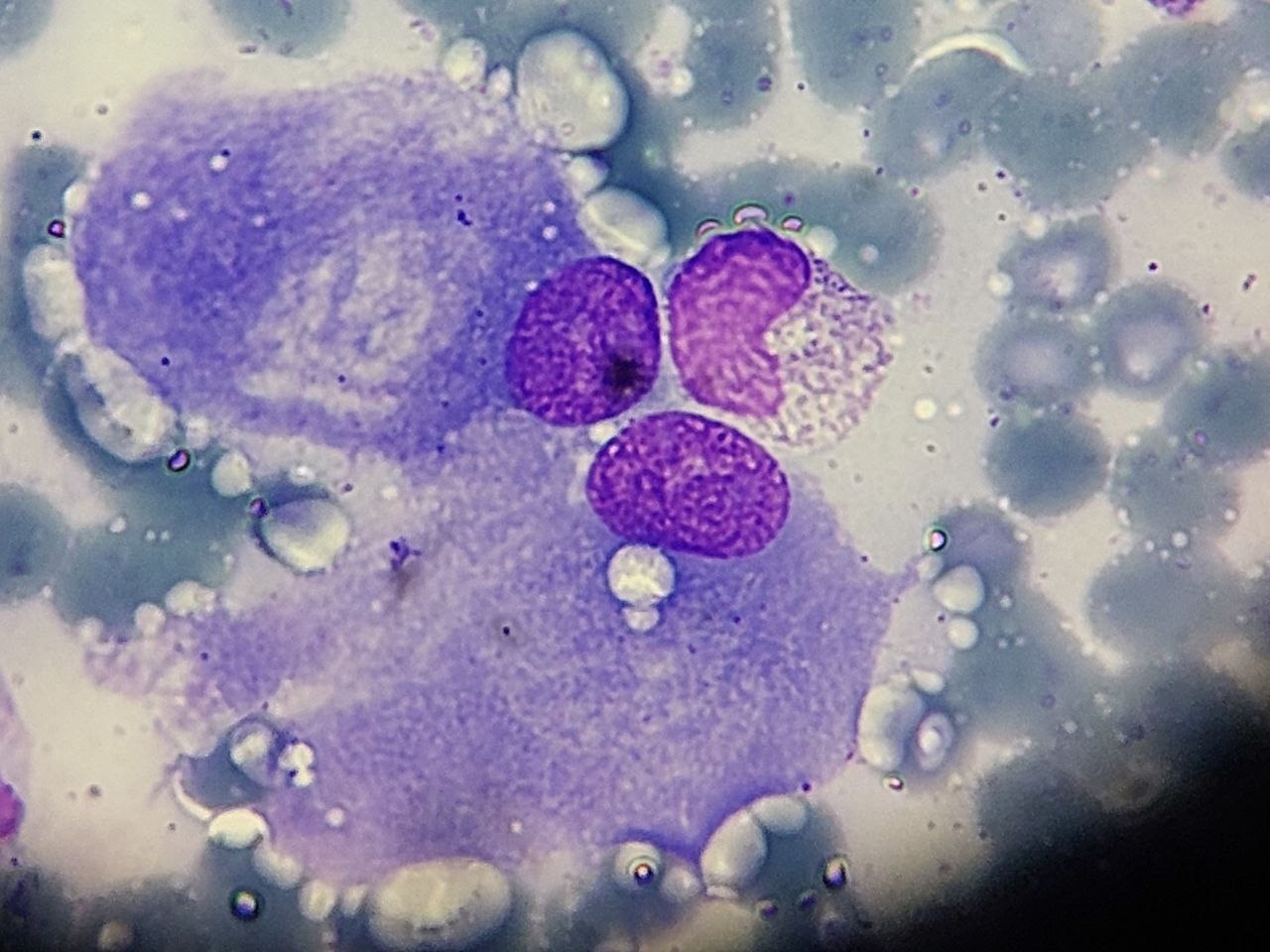
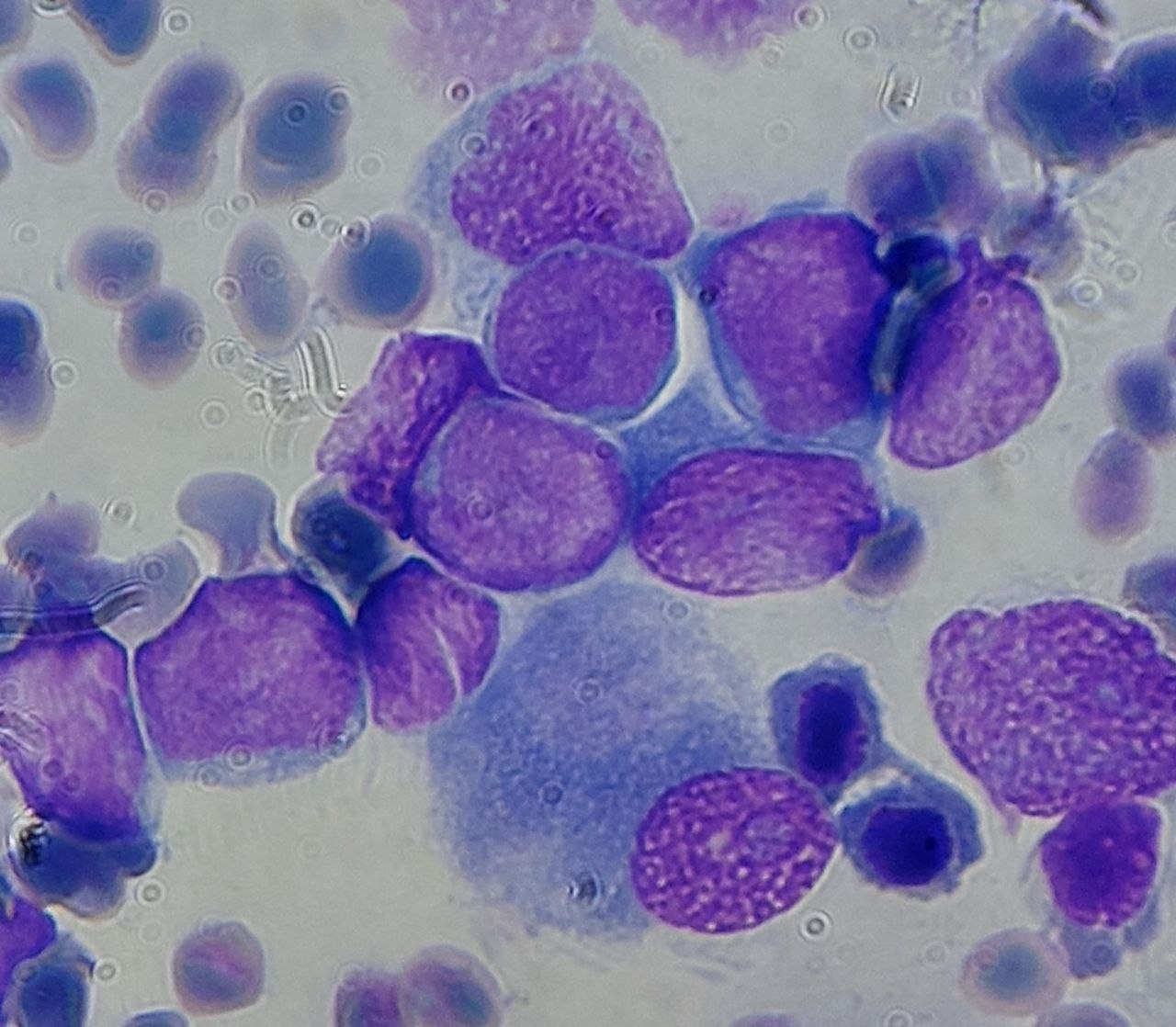
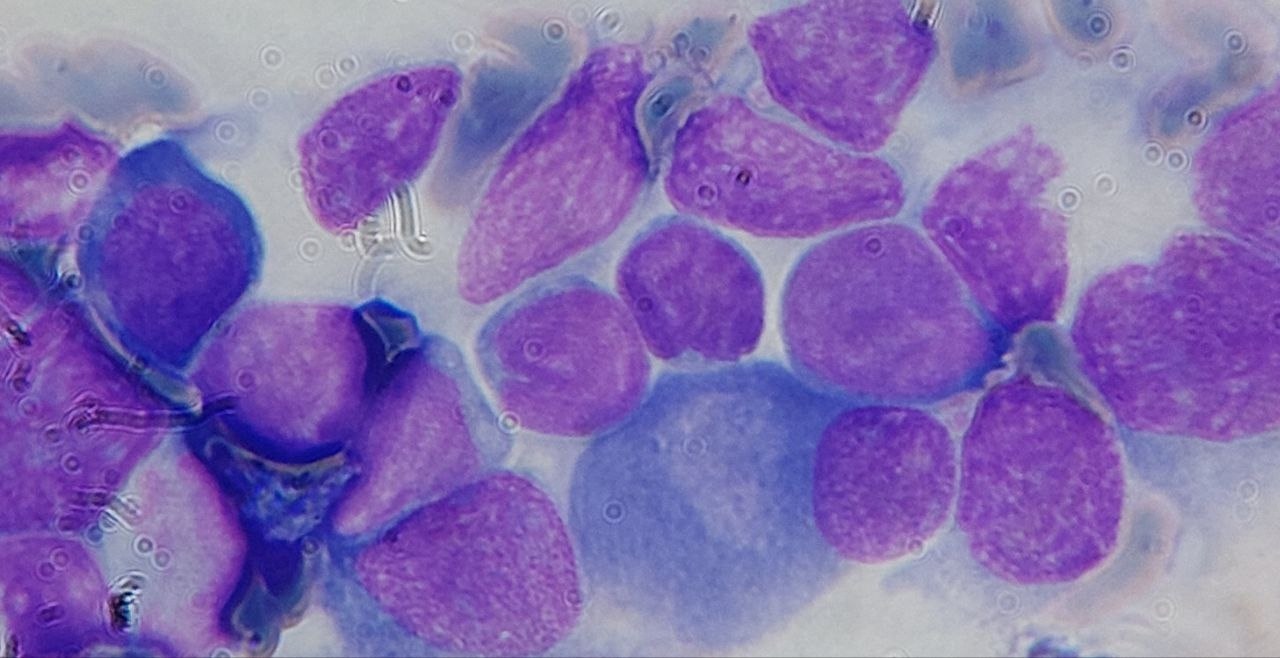
🔬 Osteoblasts and blast cells in the bone marrow of a 5-year-old child. A clinical case.
👶 Child, 5 years old. ✔ Splenomegaly ✔ Lethargy ✔ Decreased appetite for ~15 days
📊 Peripheral blood ✔ Hemoglobin — 45 g/L ✔ Platelets — few ✔ Leukocytes — 67,000/µL ✔ In blood smear — 67% blast cells
🧪 Bone marrow ✔ Total blastosis ✔ Up to 15% osteoblasts
❓ What does the presence of osteoblasts in a myelogram mean?
🦴 Osteoblasts are cells involved in bone tissue formation. ✔ In childhood, bone growth and remodeling processes are much more pronounced than in adults, so osteoblasts may be encountered more frequently.
🩺 During bone marrow aspiration, the needle passes through the cortical layer of the bone. ✔ If the aspiration is performed in an area of active bone formation (metaphyseal regions), osteoblasts may mechanically enter the aspirate along with the bone marrow contents.
✔ The detection of osteoblasts in the aspirate is not a pathological sign ✔ Does not reflect the degree of the malignant process ✔ Does not affect prognosis or treatment strategy
🔍 For a morphologist, the presence of osteoblasts: ✔ is considered a technical feature of the aspiration ✔ confirms that the material was collected from the bone marrow cavity ✔ should be described in a correct morphological report
🧬 Cytochemical study ✔ Myeloperoxidase reaction — negative ✔ PAS reaction — positive, coarse granular type
➡ The combination of morphological and cytochemical data corresponds to acute lymphoblastic leukemia.
🖼 The presented images show osteoblasts located next to lymphoblasts.
🙏 Publication kindly provided by Zebiniso Kholmuradova, morphologist, 🇺🇿 Uzbekistan, Kashkadarya Multidisciplinary Children’s Medical Center.


