

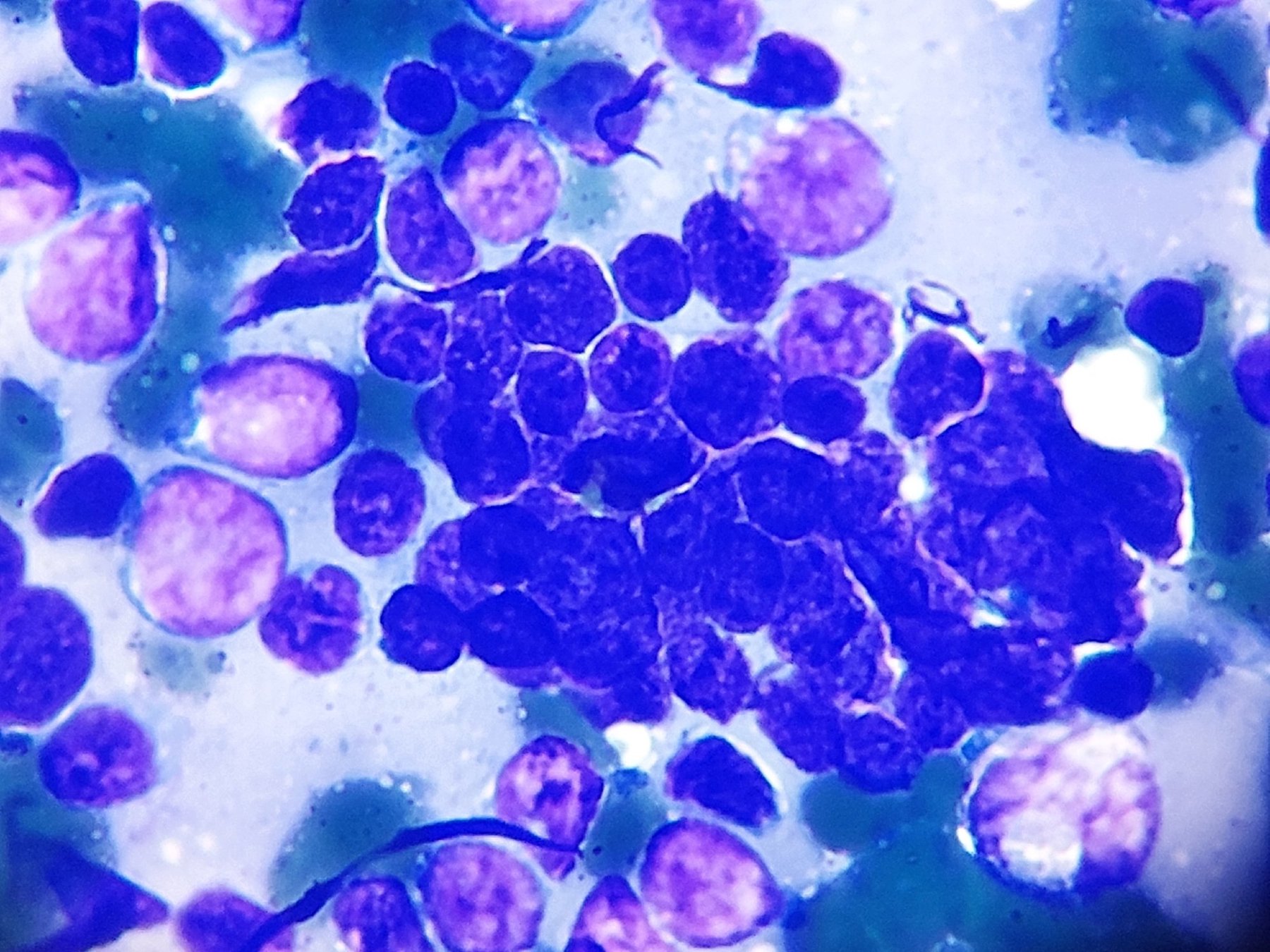
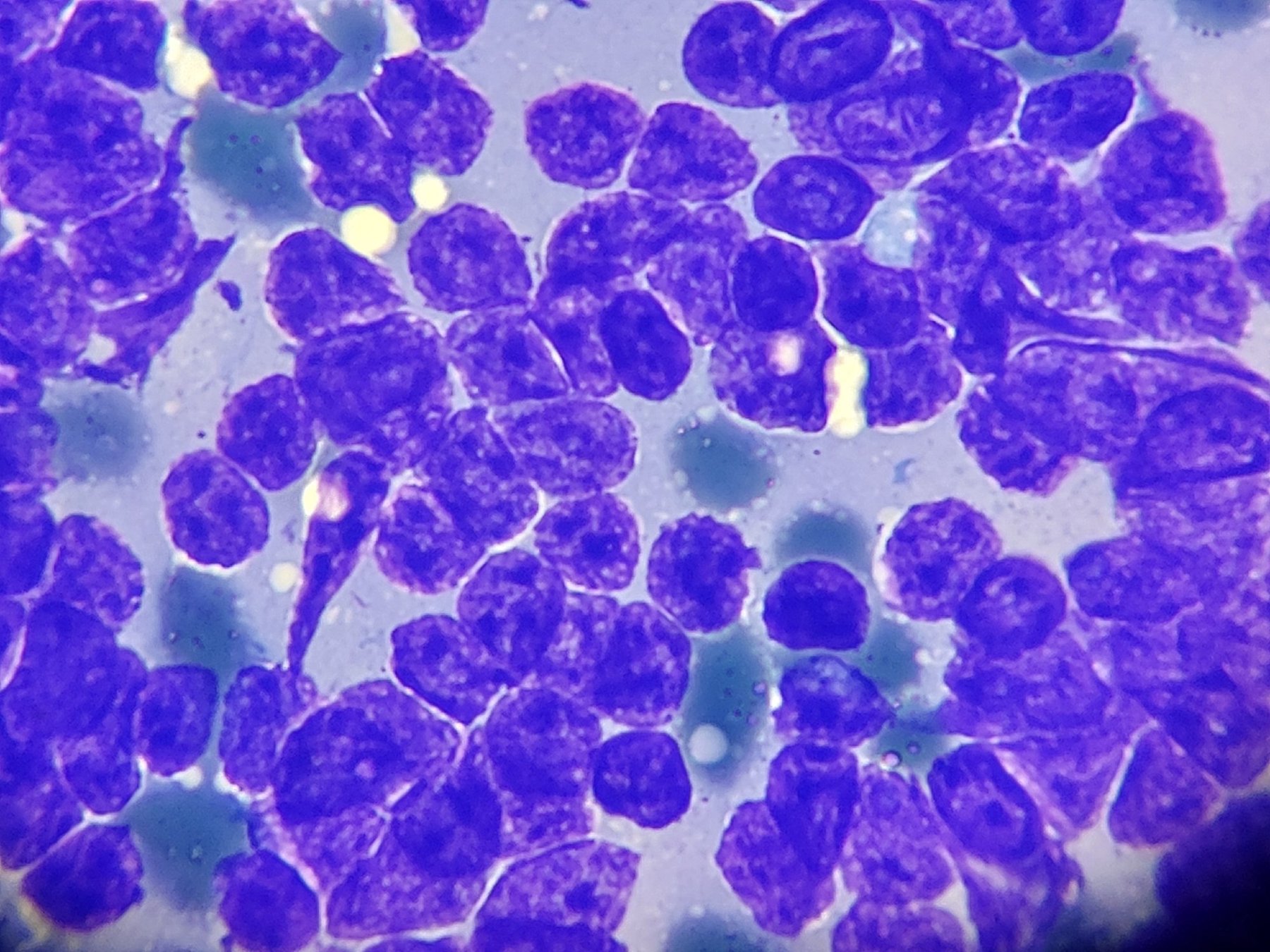
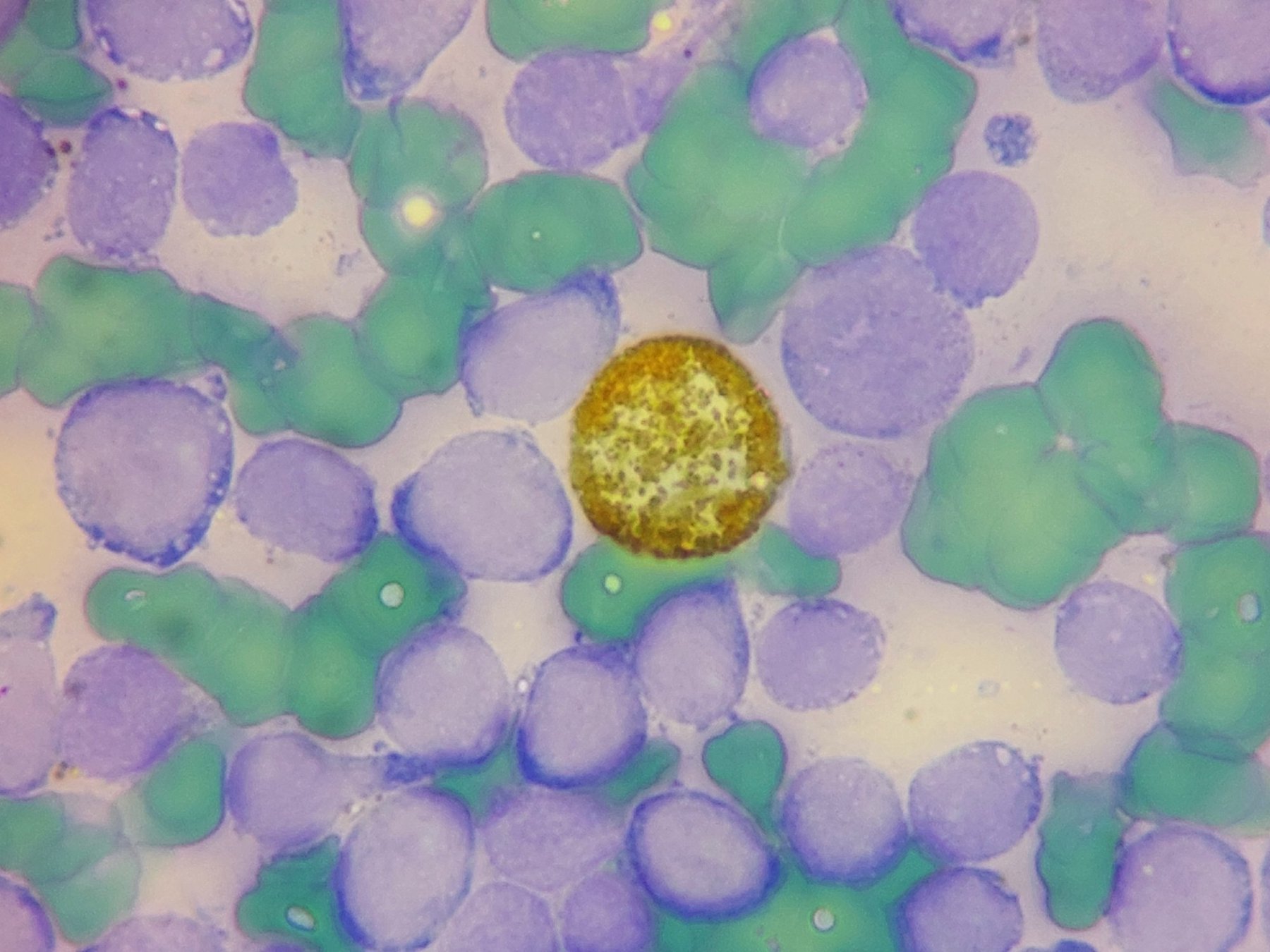
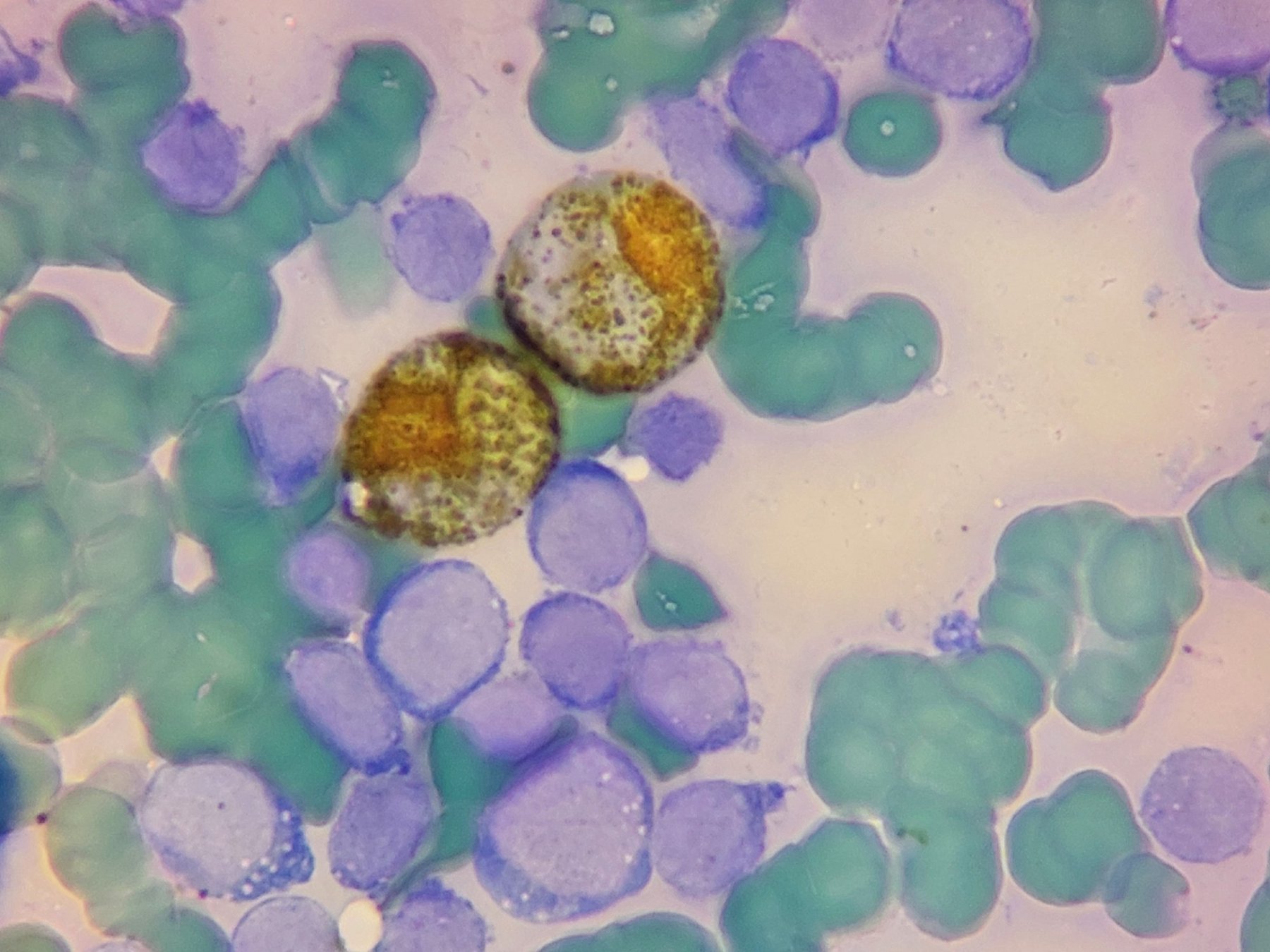
A 3-month-old child was diagnosed with acute lymphoblastic leukemia (ALL). It does not arise from external factors after birth, but from events that occurred during the intrauterine period.
Where does ALL come from in such a young child? It all starts with an intrauterine mutation. A genetic defect occurs during pregnancy in the fetal hematopoietic stem cell. This cell gives rise to the leukemic clone.
Characteristic genetic defects in infants (children under 1 year of age) are most often KMT2A (MLL) gene rearrangements, the most common being t(4;11), and t(11;19) also occurs. These mutations block lymphoblast differentiation, sharply increase their proliferation (reproduction), and cause an aggressive course of the disease.
Important: this is not a hereditary disease, but a spontaneous (random) mutation.
Why does it manifest so early in infants? ❗Bone marrow at this age actively grows and divides. Immune control is still weak. The tumor clone rapidly displaces normal hematopoiesis.
This type of leukemia is called infantile and fundamentally differs from ALL in older children – it is a separate clinical and biological group.
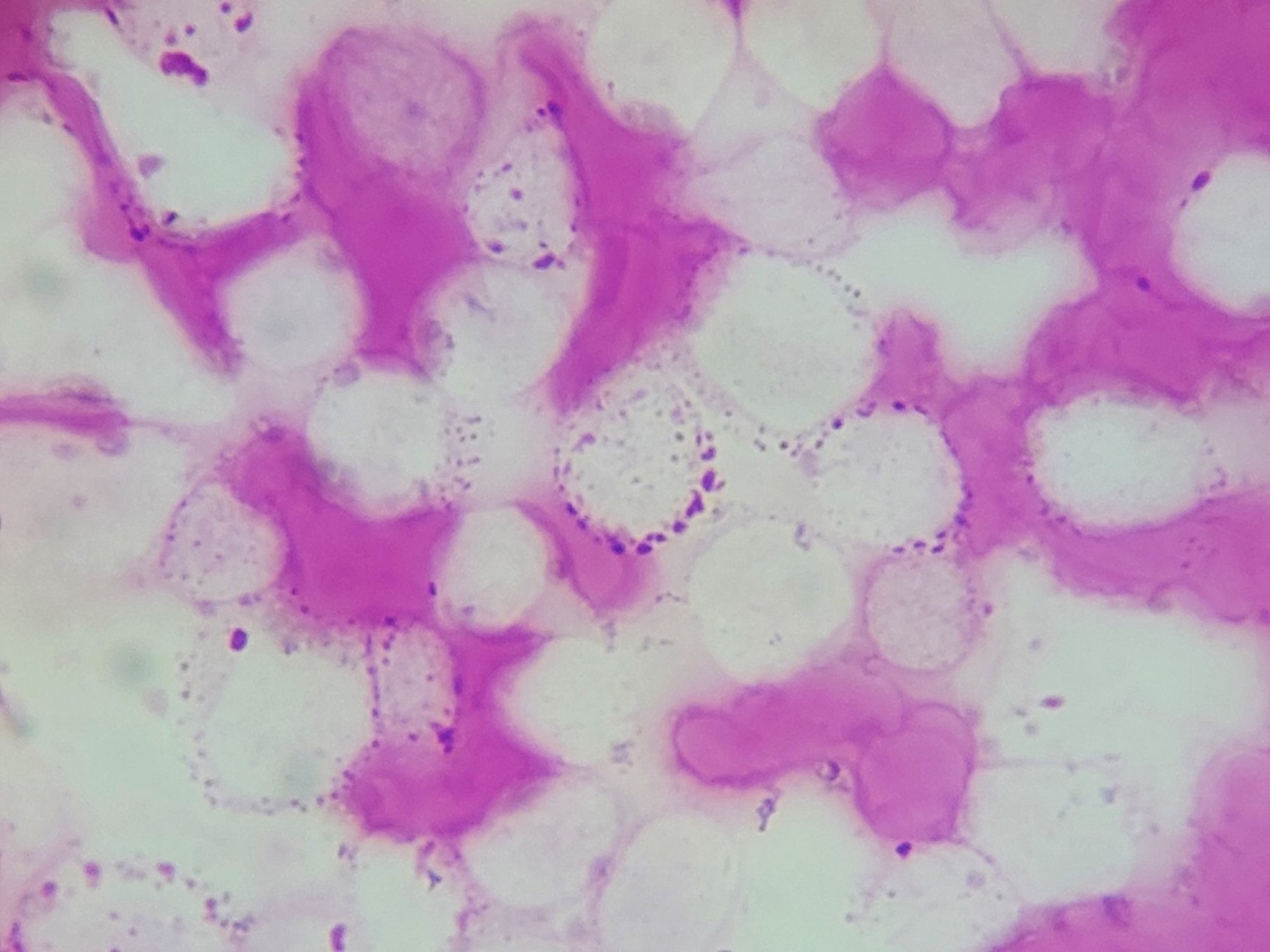
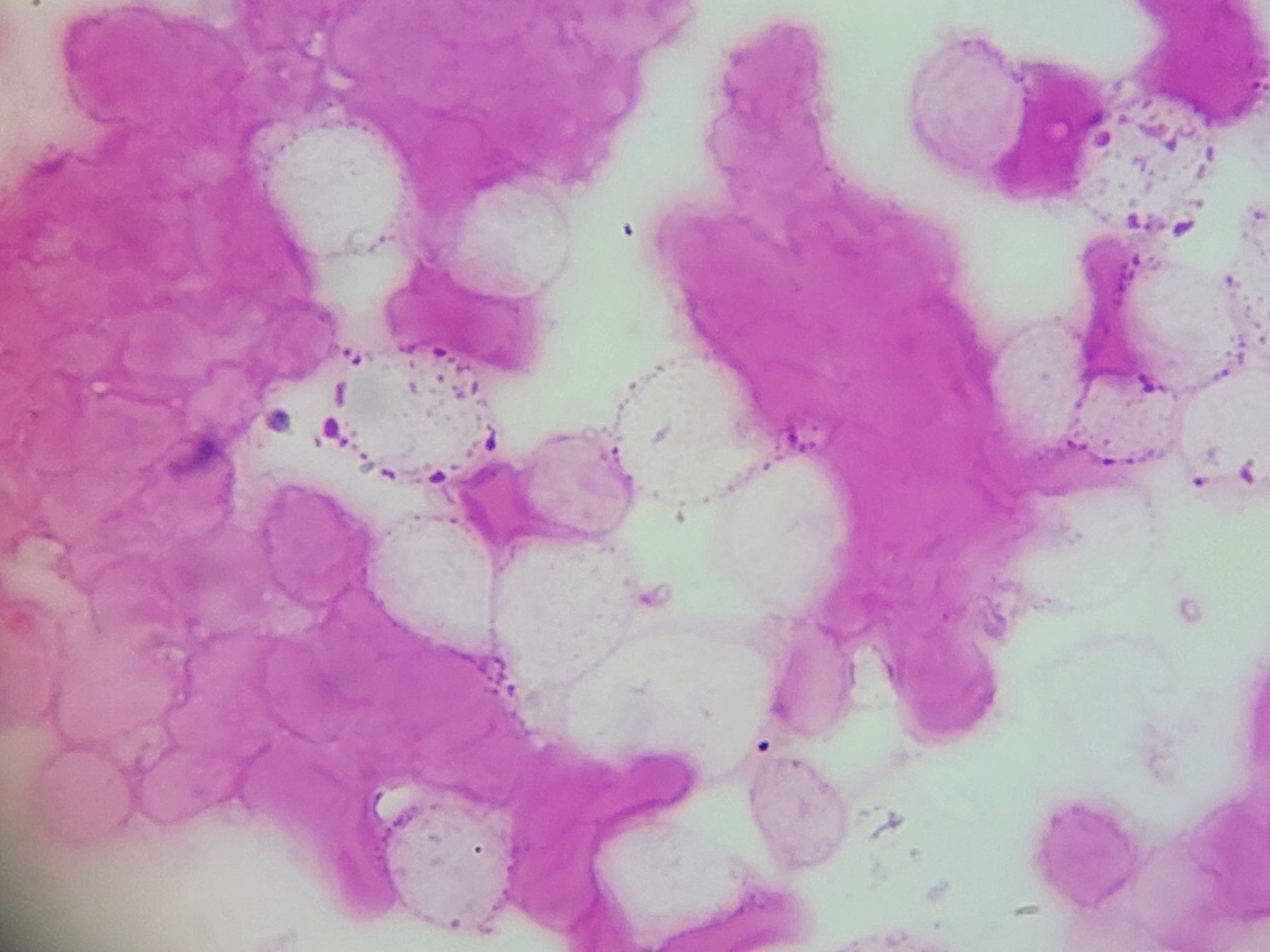
🔬 Cytochemistry in blasts in such ALL – MPO negative, glycogen positive (PAS+).
🙏 The publication was kindly provided by Zebiniso Kholmuradova, morphologist, 🇺🇿 Uzbekistan, Kashkadarya Multidisciplinary Children’s Medical Center.


