

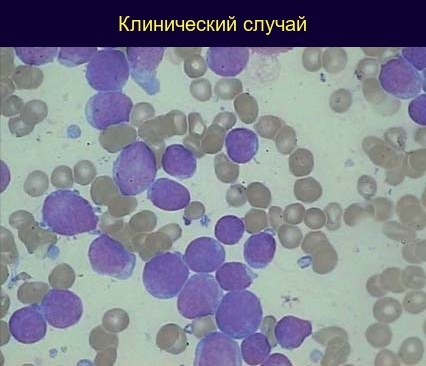
Clinical case from the practice of a laboratory hematologist: fever and pancytopenia in a child.
We present a case study from the book “Haematology: Clinical Cases Uncovered” (S. McCann et al.). This case clearly demonstrates the importance of a comprehensive approach: from morphology to flow cytometry.
✅ History and Clinical Picture Patient: boy, 10 years old. Complaints: weakness, fatigue after physical exertion, persistent fever (38°C) for a week. Examination revealed marked pallor of the skin; no other pathologies were found.
✅ Laboratory Parameters (Complete Blood Count) 🔹 Hemoglobin: 105 g/L (normal 115–164) 🔹 Leukocytes: 2.0 × 10⁹/L (normal 4.0–11.0) 🔹 Neutrophils: 1.0 × 10⁹/L (normal 2.0–7.5) 🔹 Platelets: 100 × 10⁹/L (normal 140–450) 🔹 Lactate Dehydrogenase (LDH): 950 U/L (elevated) Upon review of the blood smear, isolated cells described as “blast-like” were found.
✅ Bone Marrow Examination Bone marrow aspiration revealed significant reduction of normal hematopoietic lineages (myeloid, erythroid, and megakaryocytic). The bone marrow was 80% replaced by blast cells.
✅ Differential Diagnosis With a similar morphological picture in pediatric practice, it is necessary to rule out: 🔹 Acute leukemia (most likely) 🔹 Metastases of solid tumors: neuroblastoma, rhabdomyosarcoma, Ewing sarcoma, medulloblastoma.
✅ Diagnosis Verification To clarify the lineage of the blasts, additional studies were performed: 🔹 Cytochemistry: blasts were negative for myeloperoxidase and positive for PAS reaction (periodic acid-Schiff reaction). This indicates the lymphoid nature of the cells. 🔹 Flow cytometry: an immunophenotype characteristic of B-lineage acute lymphoblastic leukemia (common variant) was identified: TdT+, CD19+, CD10+, CD7-, CD3-, CD13-, CD33-.
✅ Diagnosis and Management Diagnosis established: Acute Lymphoblastic Leukemia, B-cell variant. The prognosis for children with this type of leukemia is favorable (survival rate approximately 80%). Treatment includes induction chemotherapy, corticosteroid administration, and mandatory prevention of neuroleukemia.
✅ Summary for the Clinician This case reminds us that any unexplained pancytopenia and fever in a child require an immediate blood smear and referral to a hematologist. Even if blasts are not clearly identified in the peripheral blood, an “empty” complete blood count can hide massive bone marrow infiltration.


