

⚠️ Acute promyelocytic leukemia with hemorrhagic syndrome in a 34-year-old young man. ❗️ Complaints: Over the past 2 weeks — spontaneous nosebleeds and gum bleeding, blood in stool, weakness, headaches, subfebrile temperature up to 37.5 °C. Previously — inflammation of the left eye. Pronounced symptoms of hemorrhagic syndrome.
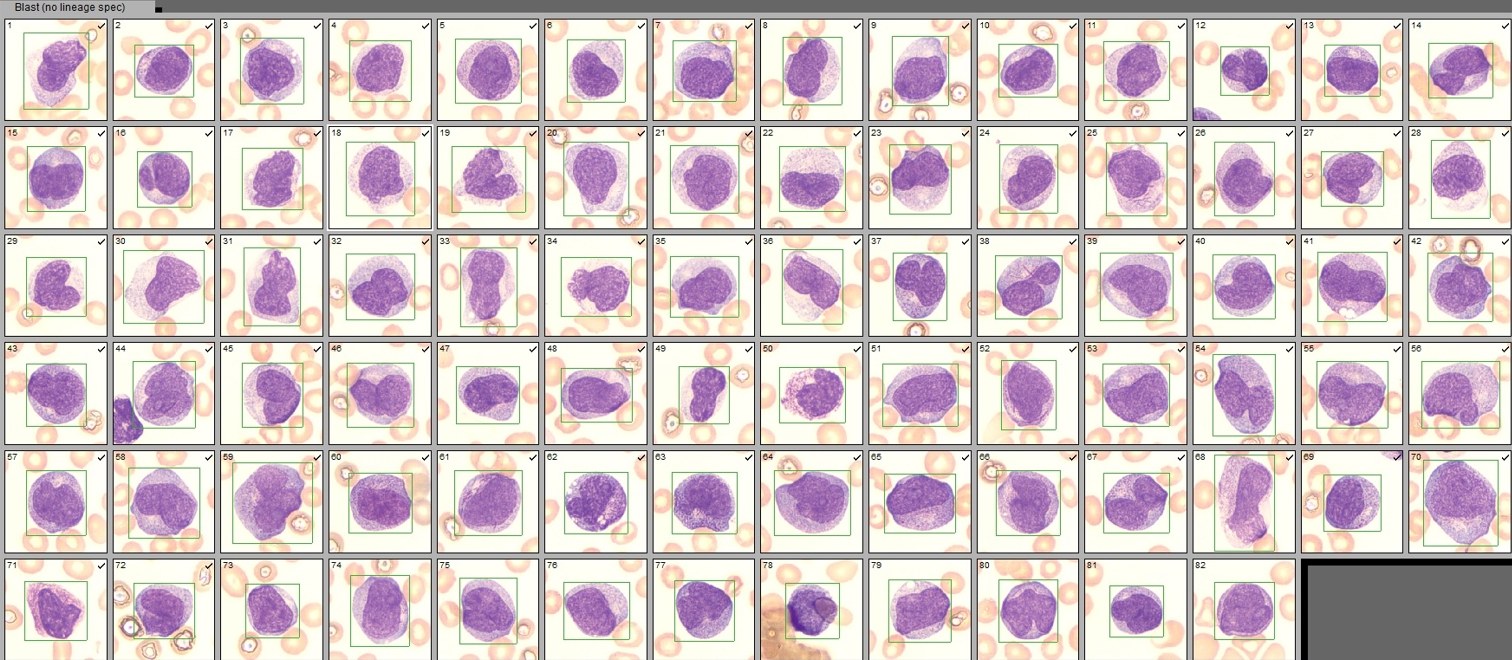
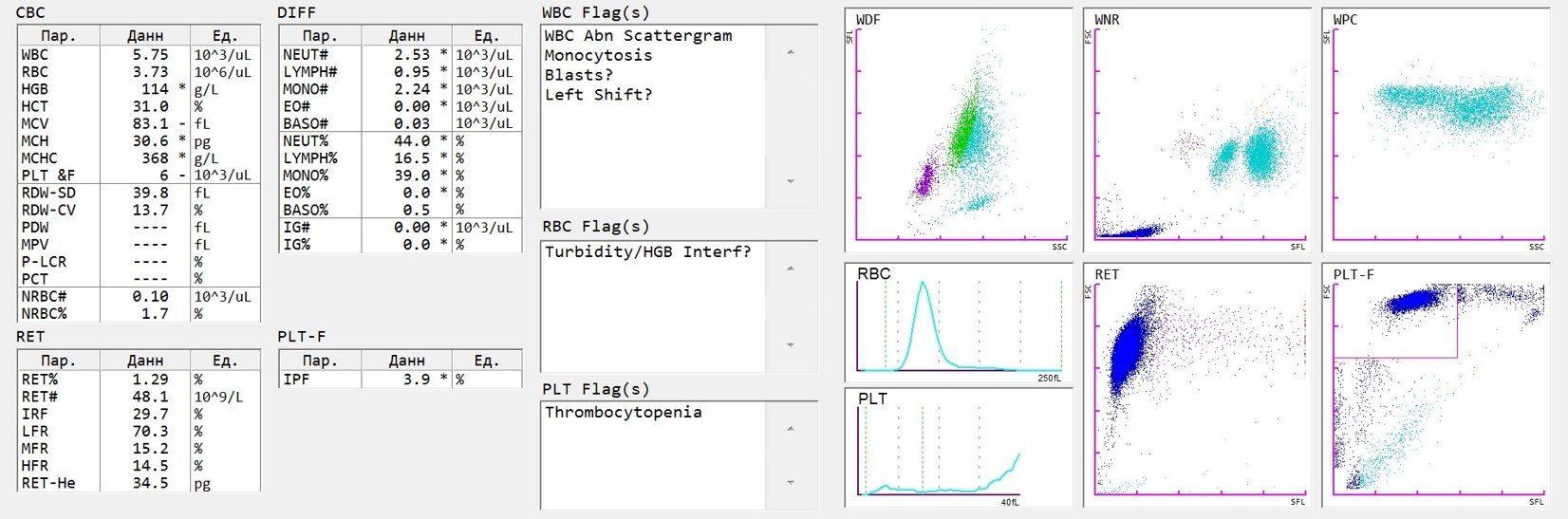
🩸 CBC: Blasts 57% are represented by large cells, with marked polymorphism of nuclear shape, abundant granulation; Auer rods are present in single cells. Based on morphological features, blast cells can be classified as atypical promyelocytes.
🦴 Myelogram: Marked hyperblastosis: atypical promyelocytes: blast equivalents — 79.4%, with Auer rods.
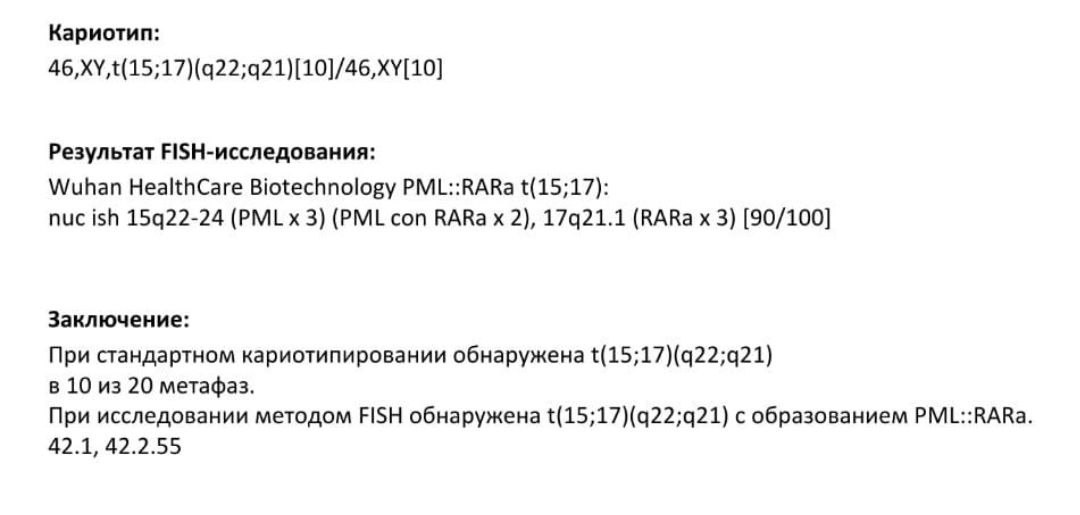
🧬 Cytogenetic study: karyotype corresponds to APL.
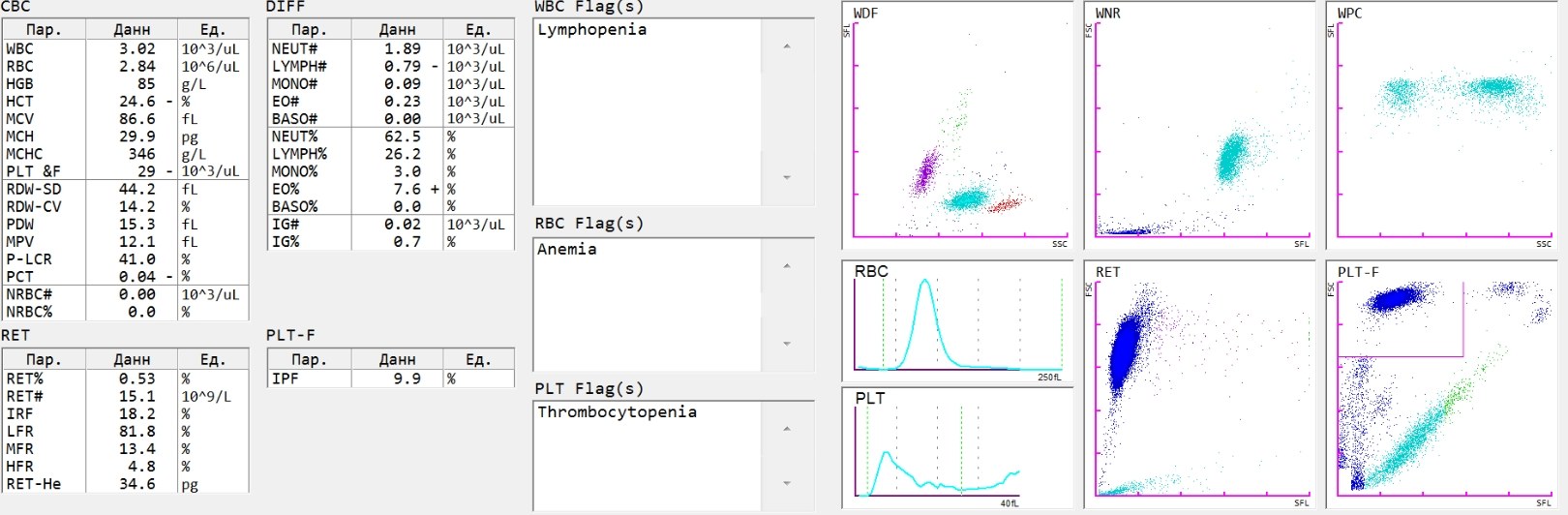
Last photo: one month after treatment.
🙏 Material kindly provided by laboratory physician Andrei Rudinsky.


