

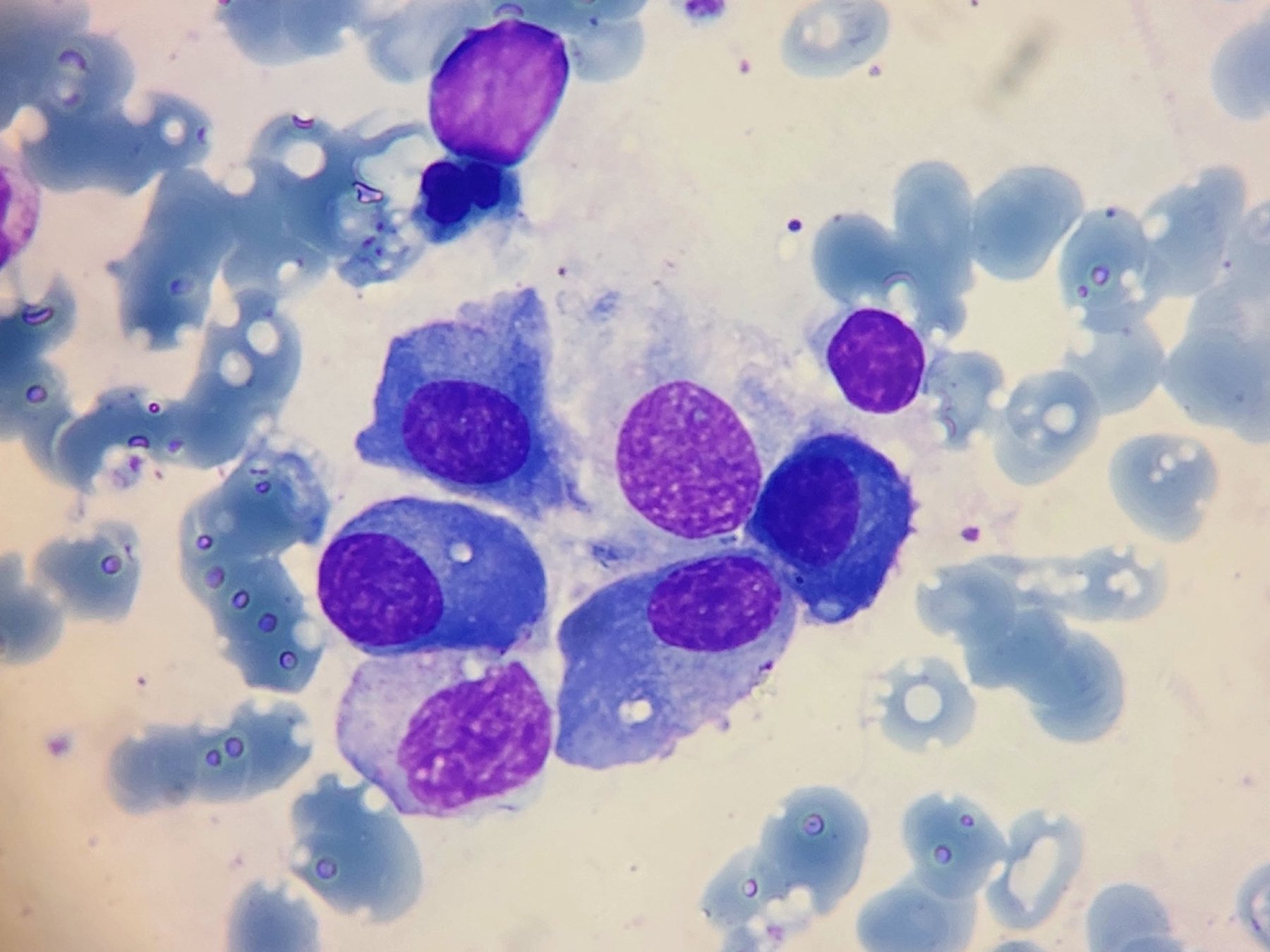
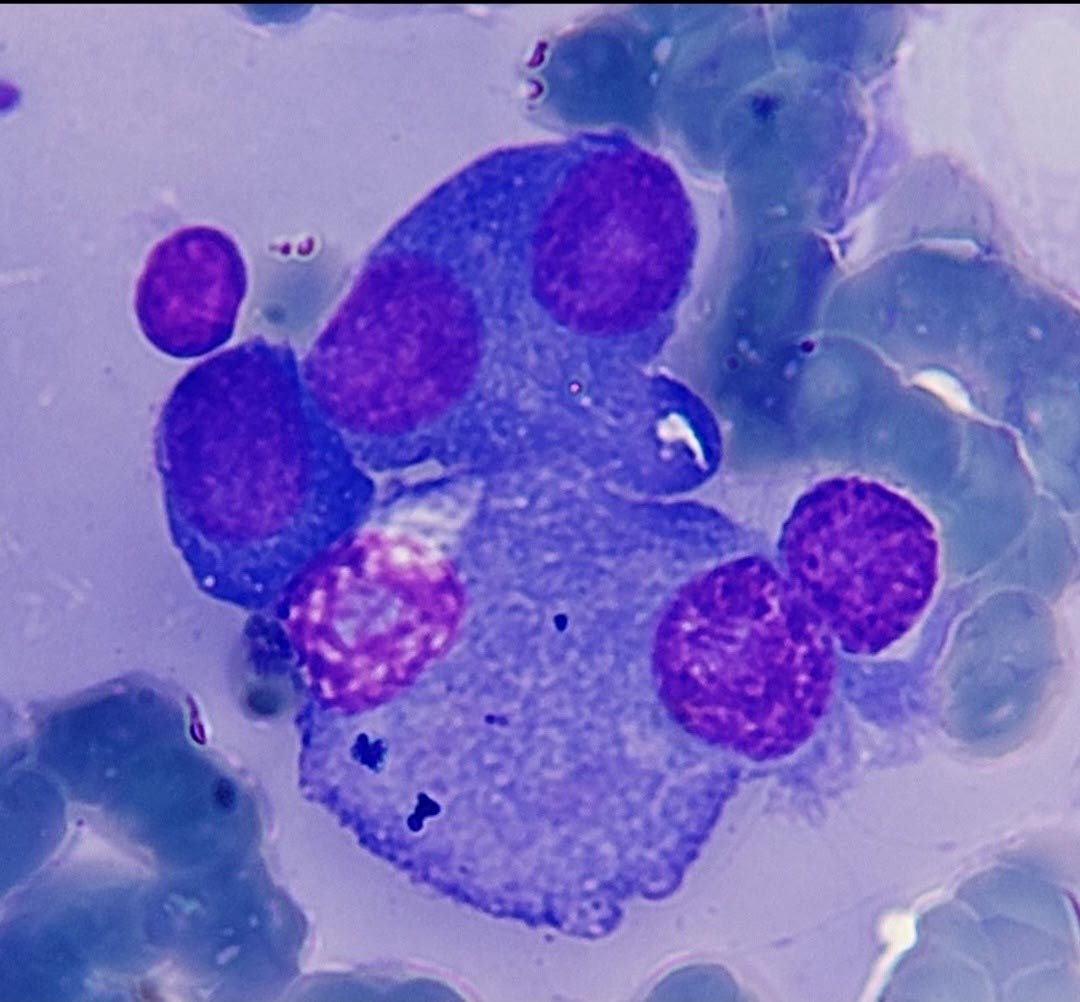
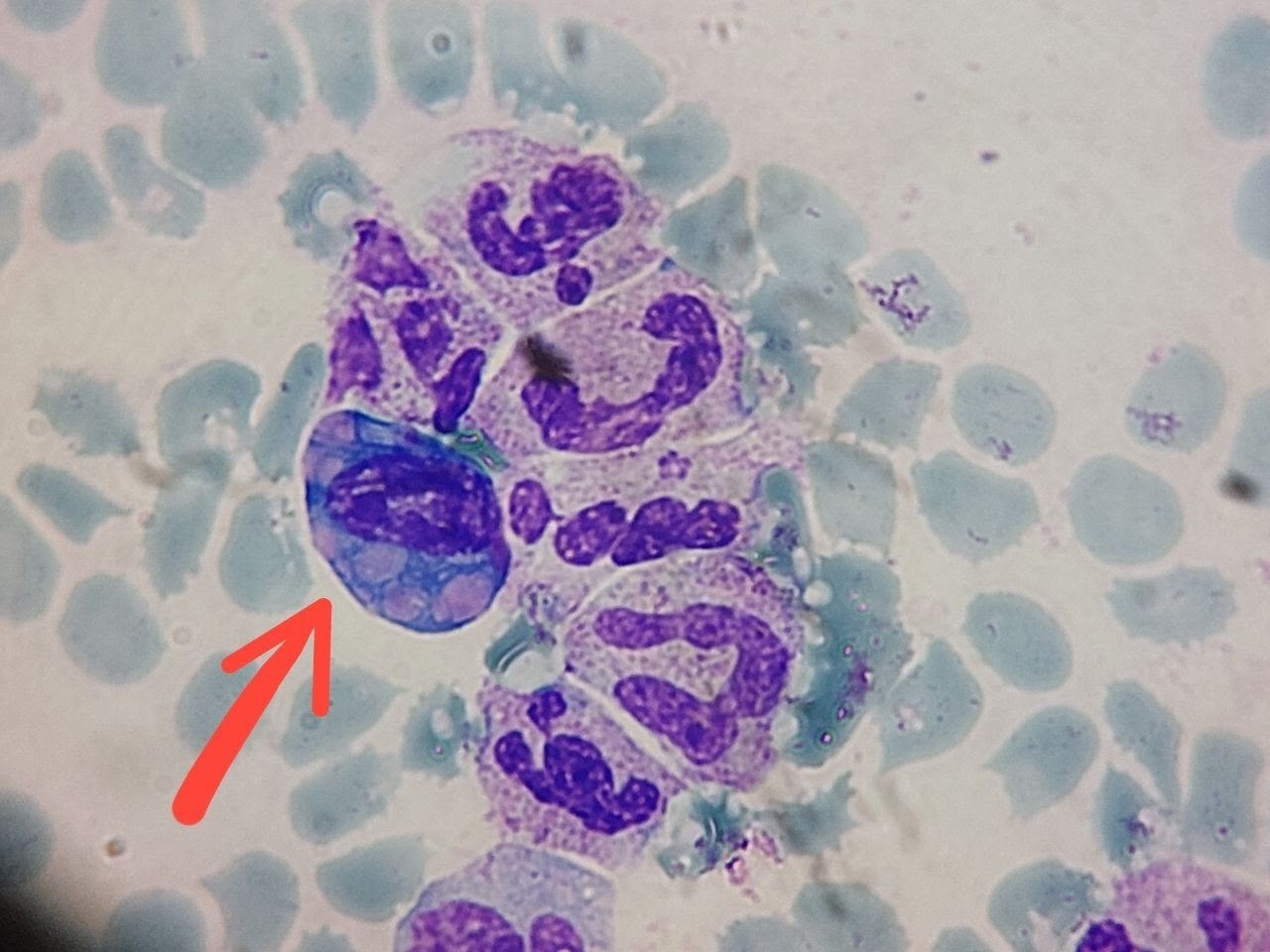
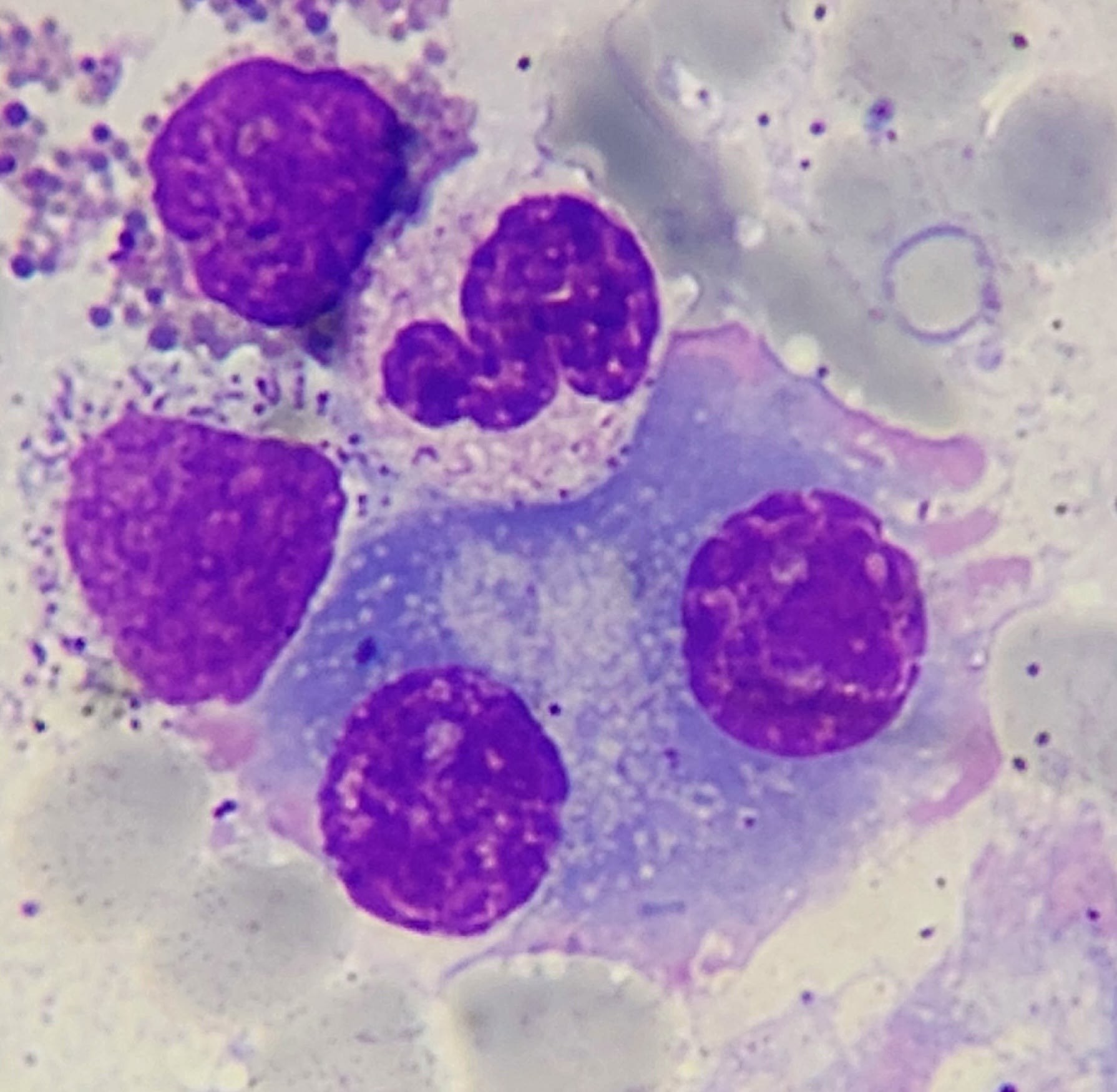
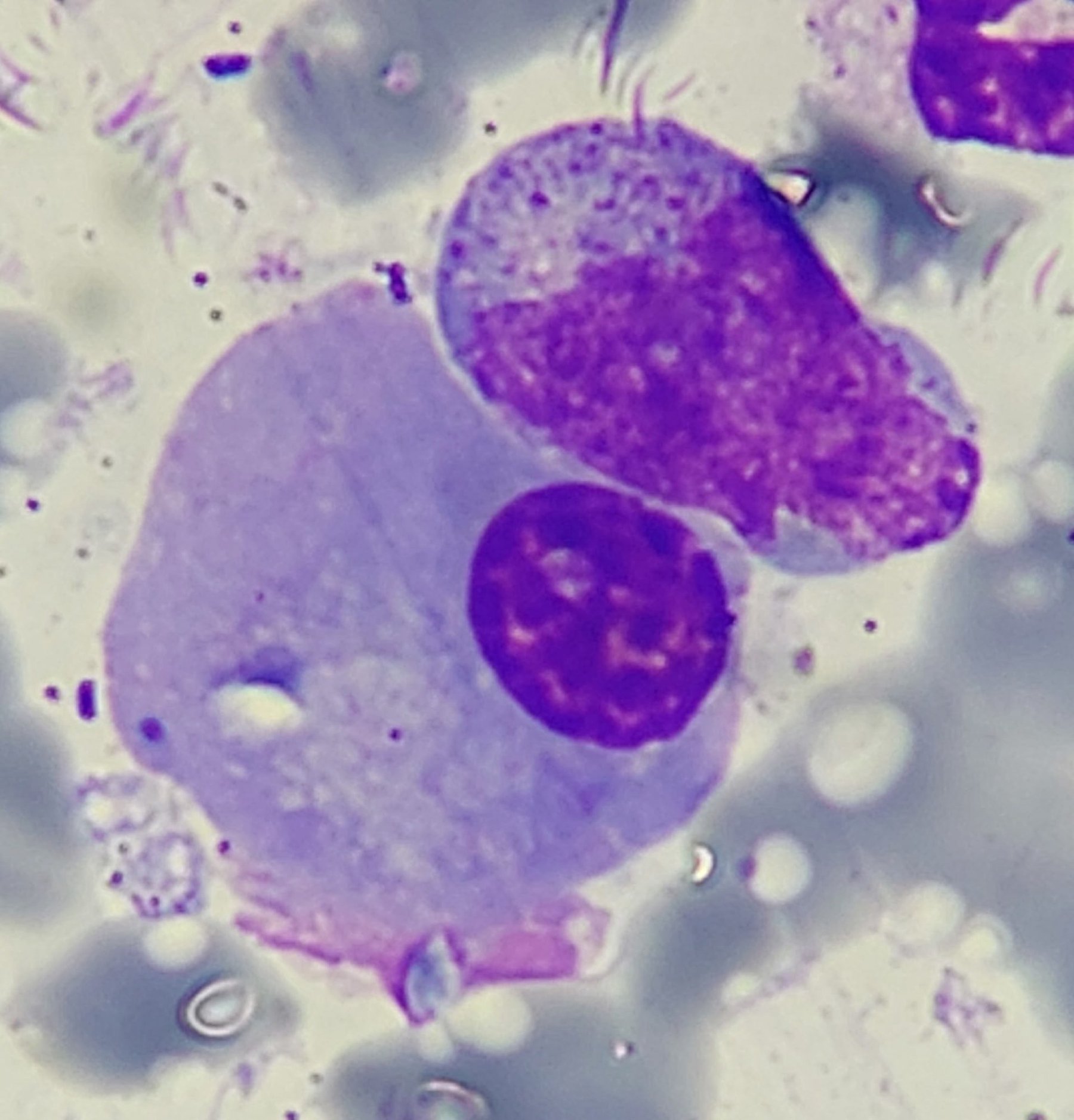
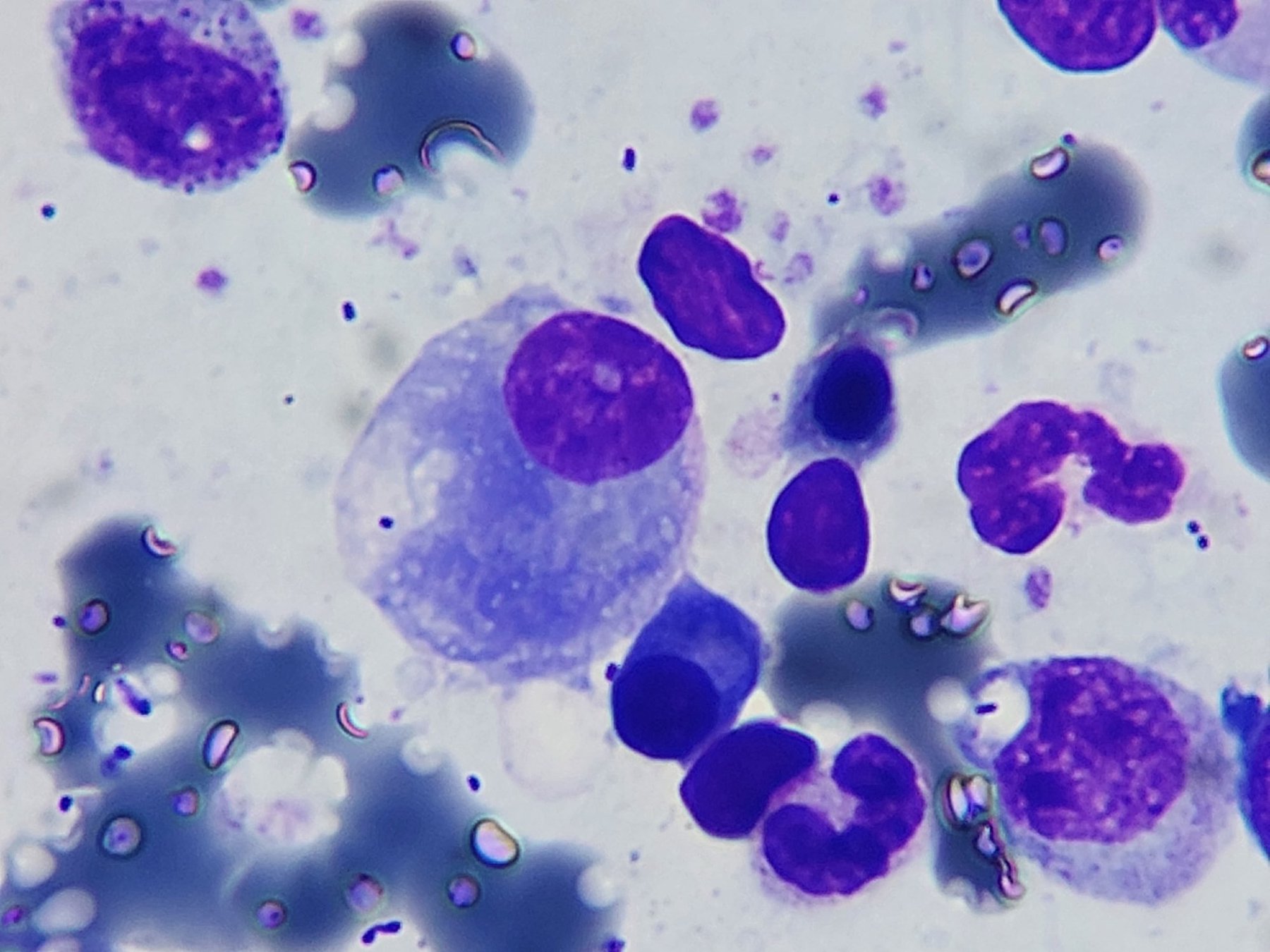
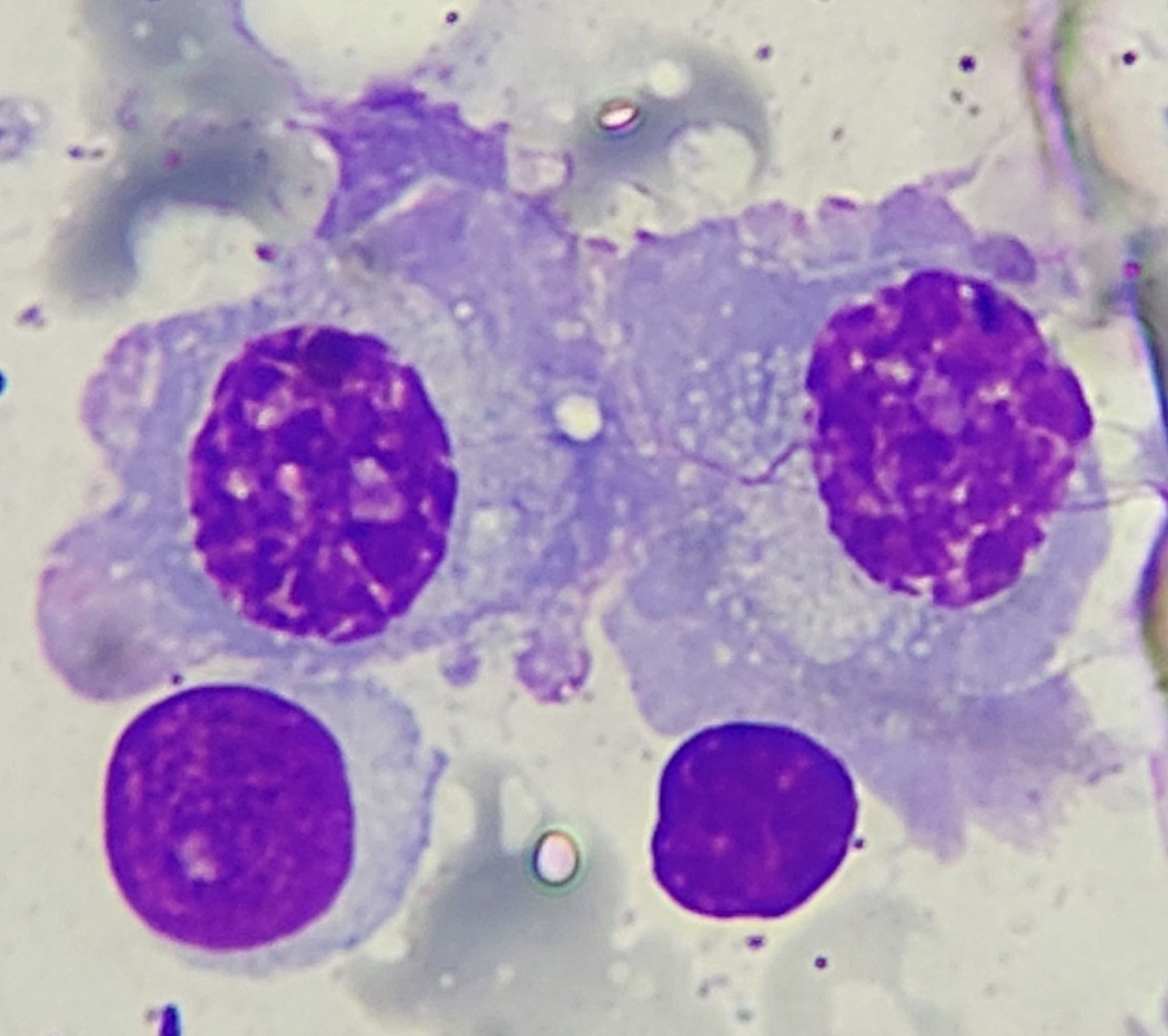
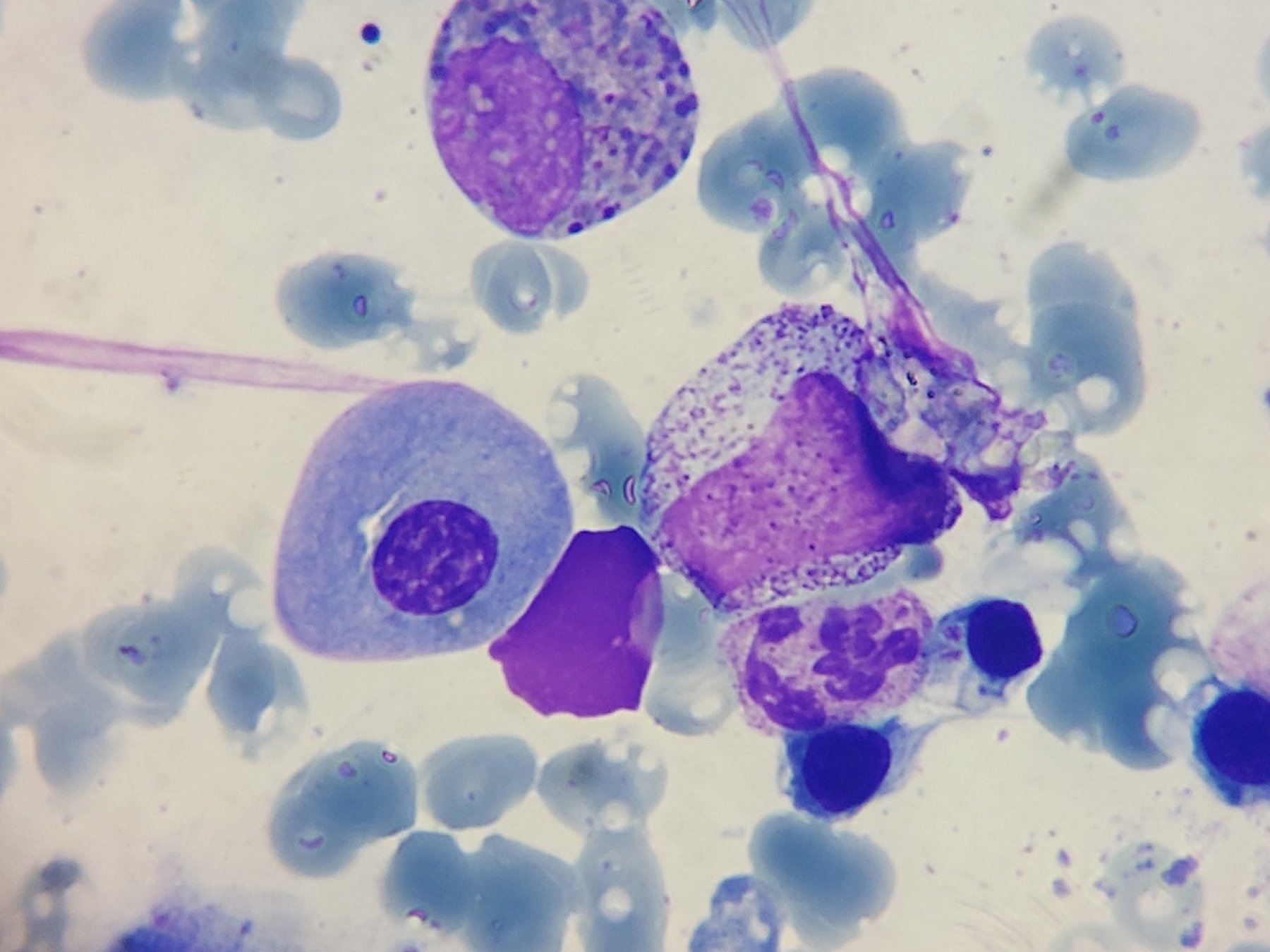
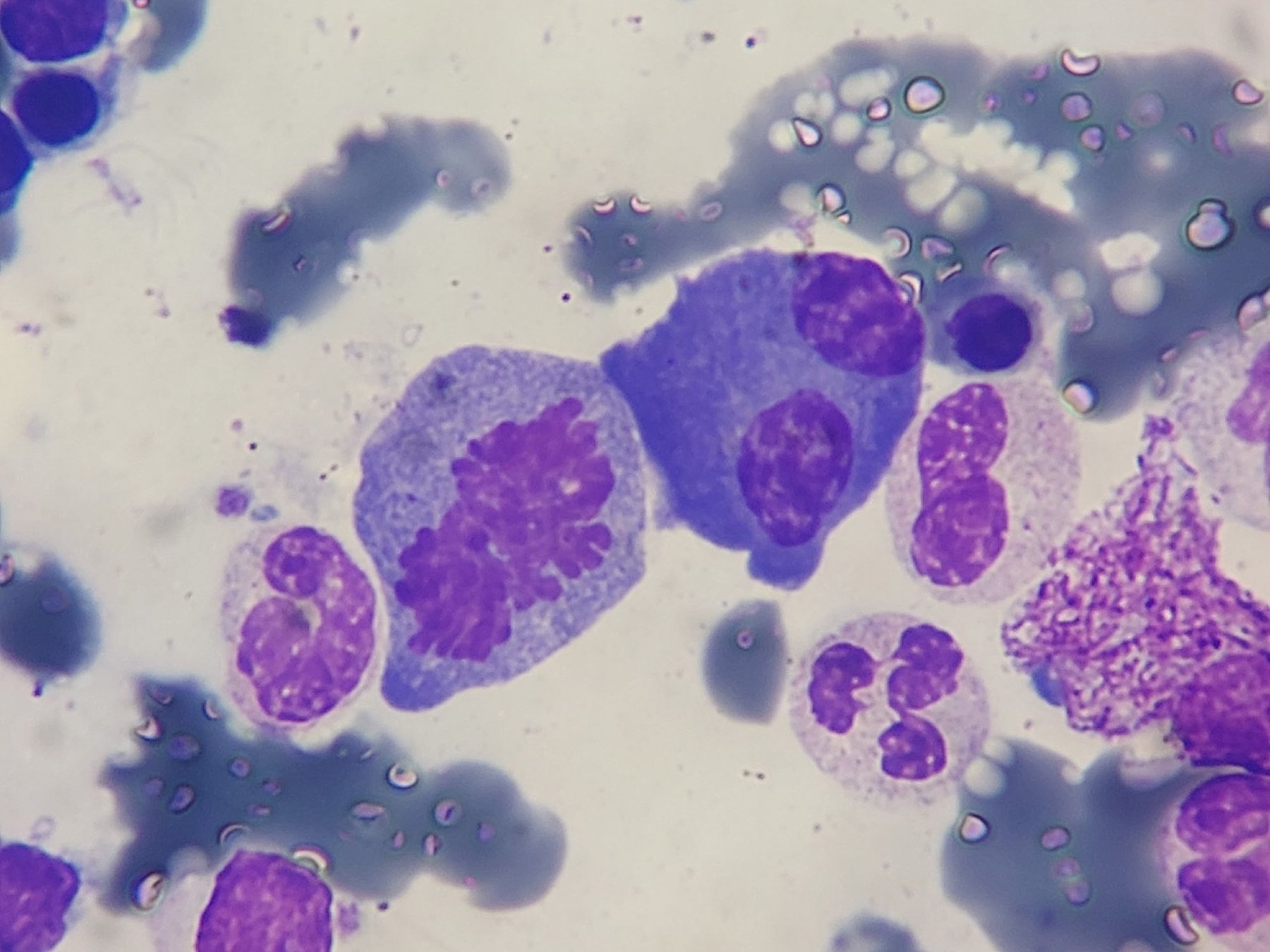
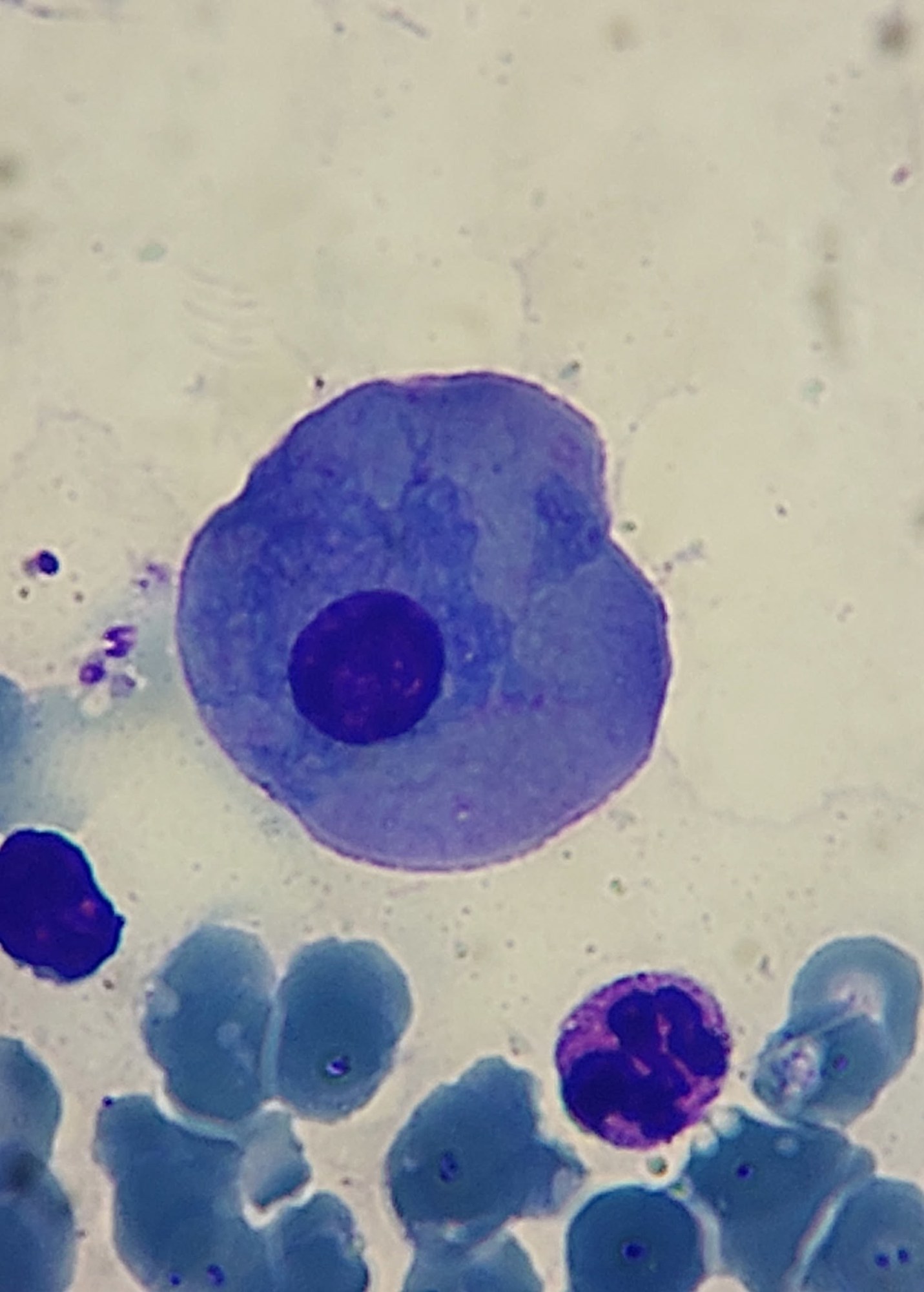
An increased number of plasma cells in the bone marrow is not always a malignant process.
Besides multiple myeloma, there are a number of conditions in which an increase in the number of plasma cells can be detected in the bone marrow. In many cases, this is an immune system reaction, rather than a manifestation of a neoplastic disease.
✅ Main causes:
☑ Reactive plasmacytosis (not a tumor) The most common cause. Arises as an immune system response to various conditions: ✔ chronic inflammations and infections (tuberculosis, osteomyelitis, syphilis); ✔ autoimmune diseases (rheumatoid arthritis, systemic lupus erythematosus); ✔ liver cirrhosis; ✔ sarcoidosis; ✔ severe allergic reactions.
☑ Monoclonal Gammopathy of Undetermined Significance (MGUS) A condition in which a clone of plasma cells produces a monoclonal immunoglobulin, without clinical manifestations of the disease. ✔ not classified as a malignant disease; ✔ requires dynamic observation; ✔ in a small percentage of patients, transformation into multiple myeloma is possible over time.
📌 Conclusion: The detection of plasmacytosis alone is not a sign of a malignant process and should always be evaluated in conjunction with clinical and laboratory data.
🙏The publication was kindly provided by Zebiniso Kholmuradova, morphologist, 🇺🇿 Uzbekistan, Kashkadarya Multidisciplinary Children’s Medical Center.


