

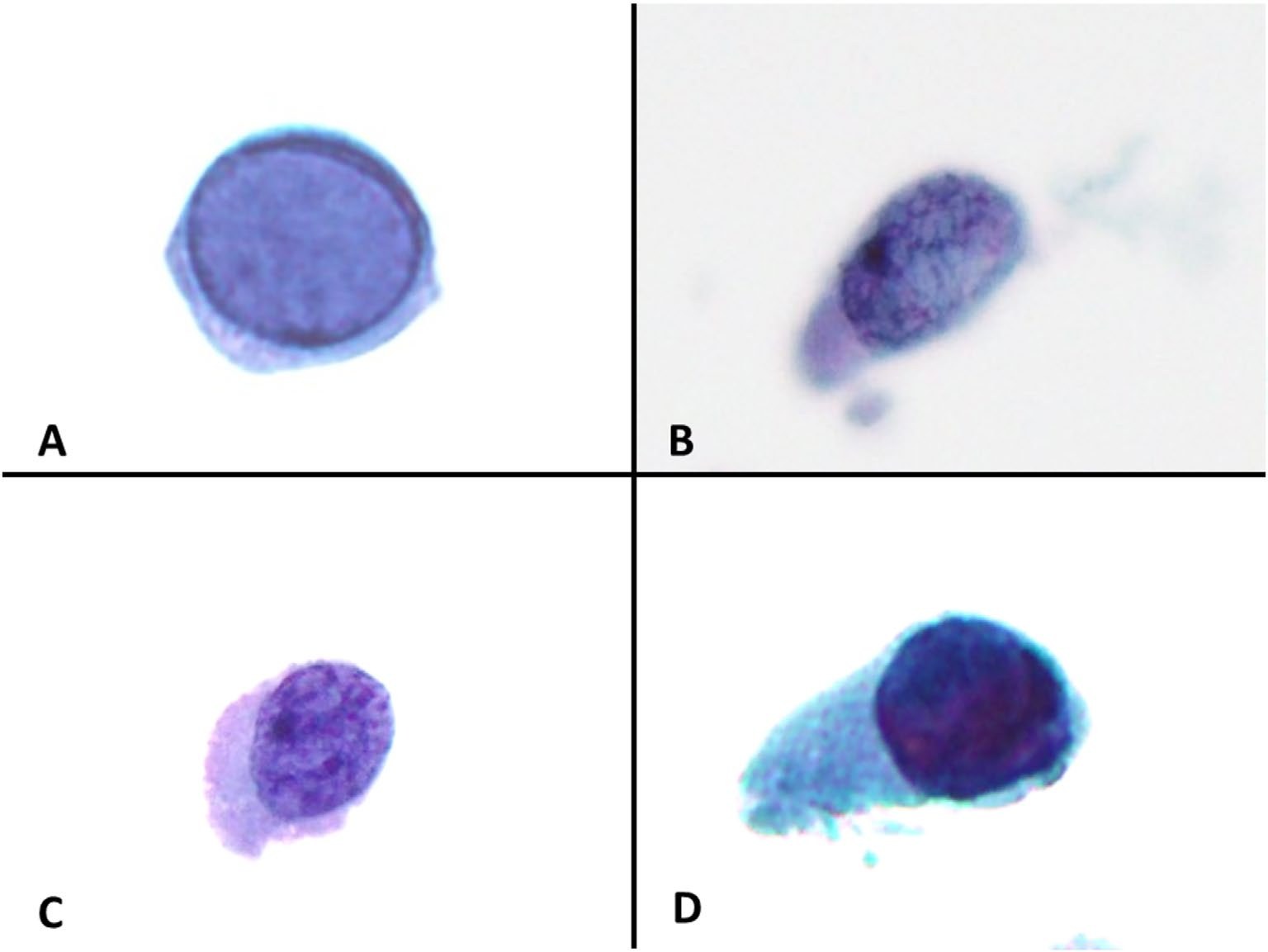
🔬 Polyomavirus in urine: when should you be concerned? 🚨
A new study 🧐 has revealed important details about the diagnosis of polyomavirus (PV) in urine tests and its connection to bladder cancer. Here’s the main takeaway:
- 🦠 Type A (“classic PV”) — almost always benign, even if other suspicious cells are present.
- 🕸️ Type B (“spiderweb chromatin”) — in 22% of cases, this may be cancer.
- ⚡ Type D (severely altered cells) — in 61.5% of cases, it is associated with a high risk of tumor.
Conclusions: 🔹 If type A cells are present in the analysis, the risk of cancer is extremely low (1.2%) — no need to worry. 🔹 Types B, C, and D cells without type A — a reason for additional studies, especially in patients with a history of cancer.
📌 Source: Li Y. et al. Diagnostic Cytopathology, 2025.
Medicine Urology Diagnostics ScienceJustVK DOWNLOAD PDF


