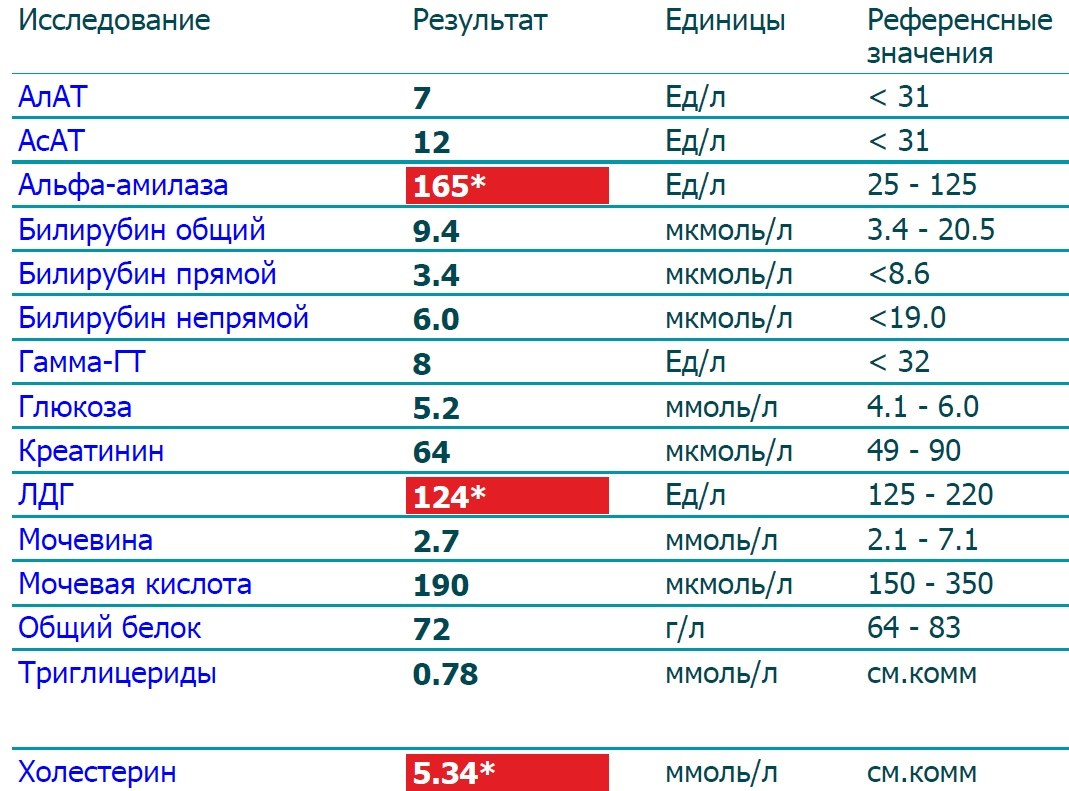
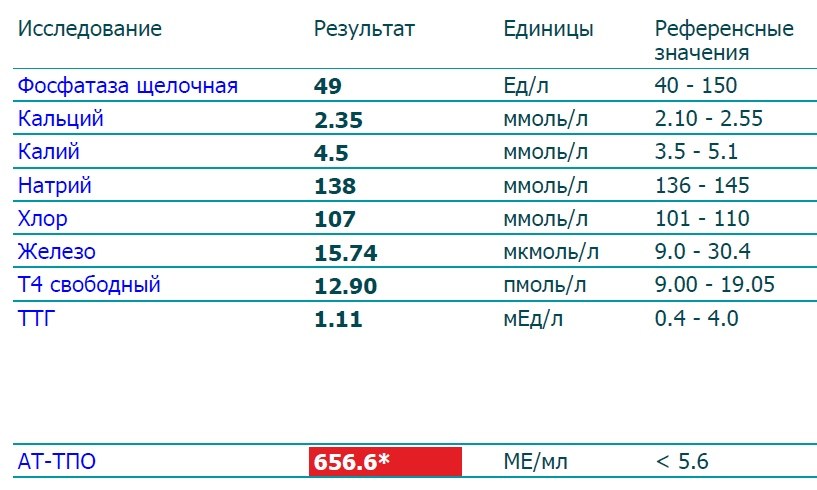
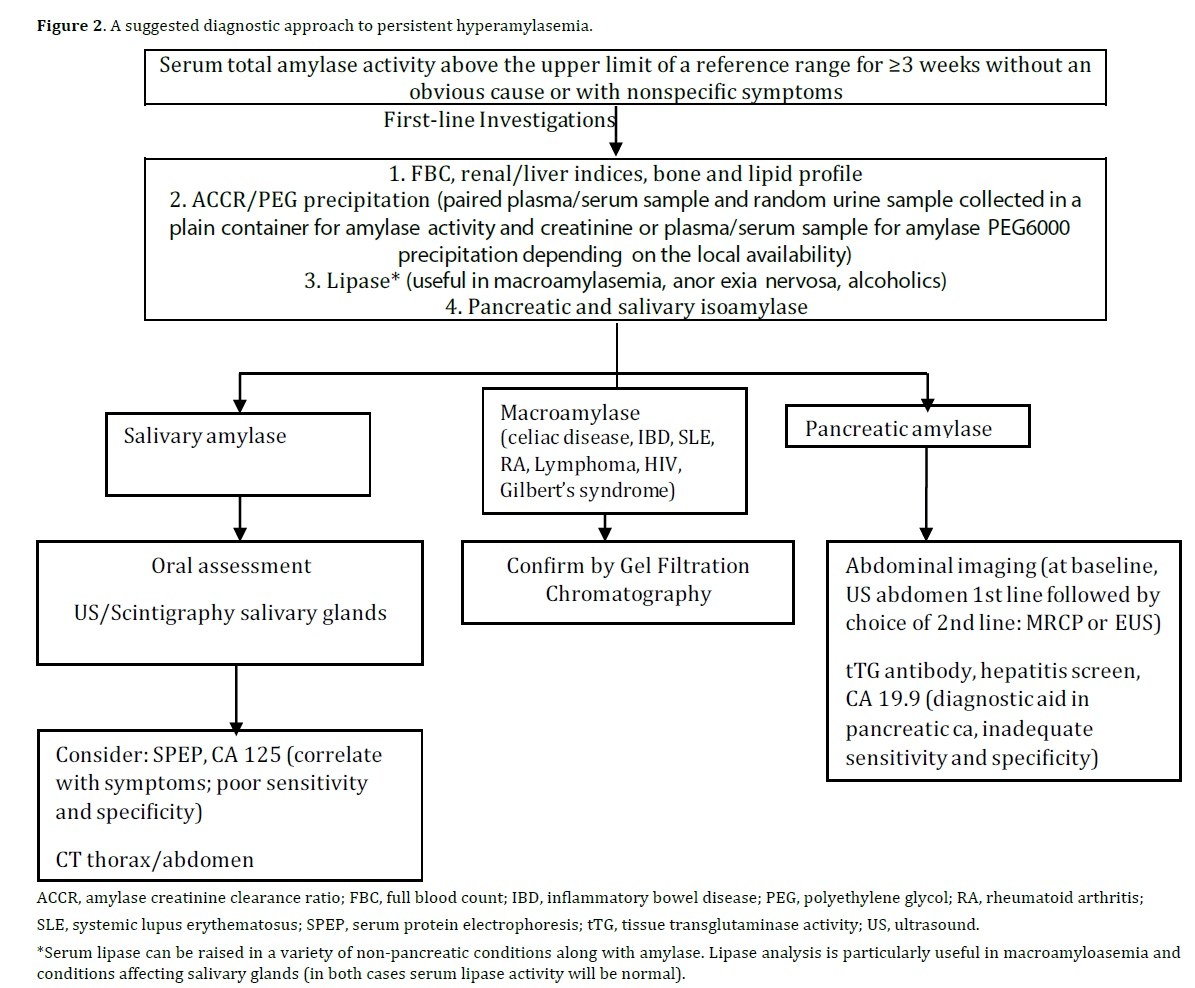
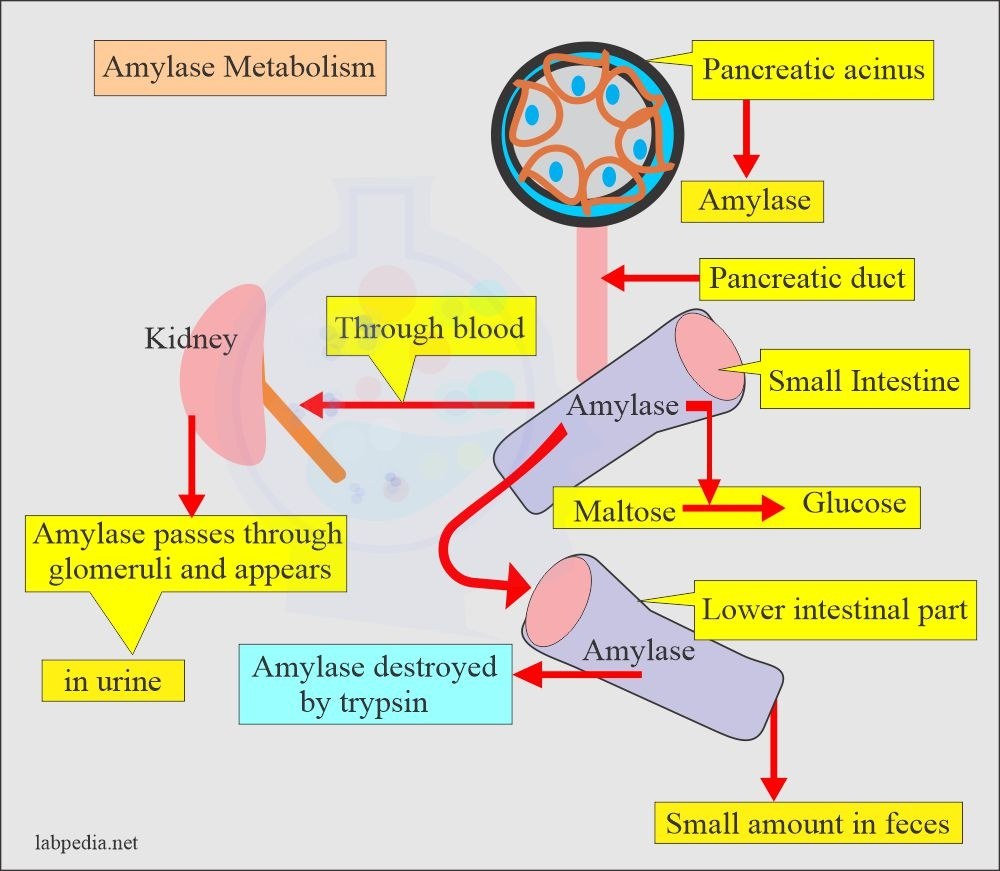
❗AMYLASE IS NOT ONLY ABOUT THE PANCREAS! A 49-year-old female patient with elevated alpha-amylase levels (photo 1) in her blood serum sought an online consultation (simply to interpret lab tests). Acute pancreatitis (inflammation of the pancreas) or inflammation of the salivary glands (parotitis) were possible. I asked the patient about these (whether she had pain in her left side, or fever). The patient provided an abdominal ultrasound, which showed no abnormalities in the pancreas (photo 2). After being asked if she had parotitis, the patient recalled having problems with her salivary glands, swelling on the right side, and a salty taste two months ago; she now occasionally experiences tingling. Other laboratory abnormalities (photo 3) included elevated anti-TPO antibodies, indicating autoimmune thyroiditis with preserved thyroid function (TSH, free T4 – no abnormalities). ✅CONCLUSIONS: In cases of non-pancreatic hyperamylasemia, macroamylasemia should be excluded first. Macroamylasemia is characterized by persistently elevated amylase activity with normal lipase. Salivary hyperamylasemia is usually observed with salivary gland involvement. Alcohol abuse and anorexia nervosa should be suspected in individuals without clinical signs of parotitis. Tumors can also lead to ectopic production of amylase, typically of the salivary type. Consequently, chronic hyperamylasemia presents a diagnostic challenge in clinical practice. A clinical and biochemical diagnostic algorithm for chronic persistent hyperamylasemia, based on current evidence, is shown in photo 4. How amylase is broken down and metabolized in our body is shown in photo 5. ❓WHAT OTHER CAUSES OF PAROTITIS – INFLAMMATION OF THE SALIVARY GLANDS – DO YOU KNOW? online_medicine Algorithm source: Borovickova I. et al. Persistent chronic hyperamylasemia: clinical interpretation and diagnostic approach //JOP. – 2016. – Т. 17. – №. 17. – С. 349-358.
Elevated Amylase: Causes and Diagnostic Algorithm
Exploring non-pancreatic hyperamylasemia, the role of salivary gland involvement and macroamylasemia, and a clinical algorithm for patient evaluation.