

🩺 Microcirculation under the microscope: New horizons in red blood cell biomechanics analysis
Red blood cells are not just oxygen carriers, but complex biomechanical objects. Their ability to change shape (deformability) and form temporary aggregates determines blood flow in the narrowest capillaries. Impairment of these properties accompanies many pathologies: from hemoglobinopathies to systemic inflammatory processes.
In a recent study, scientists from Queen’s University (Canada) presented the capabilities of the automated MIZAR platform, which uses the syllectometry method. 🧬
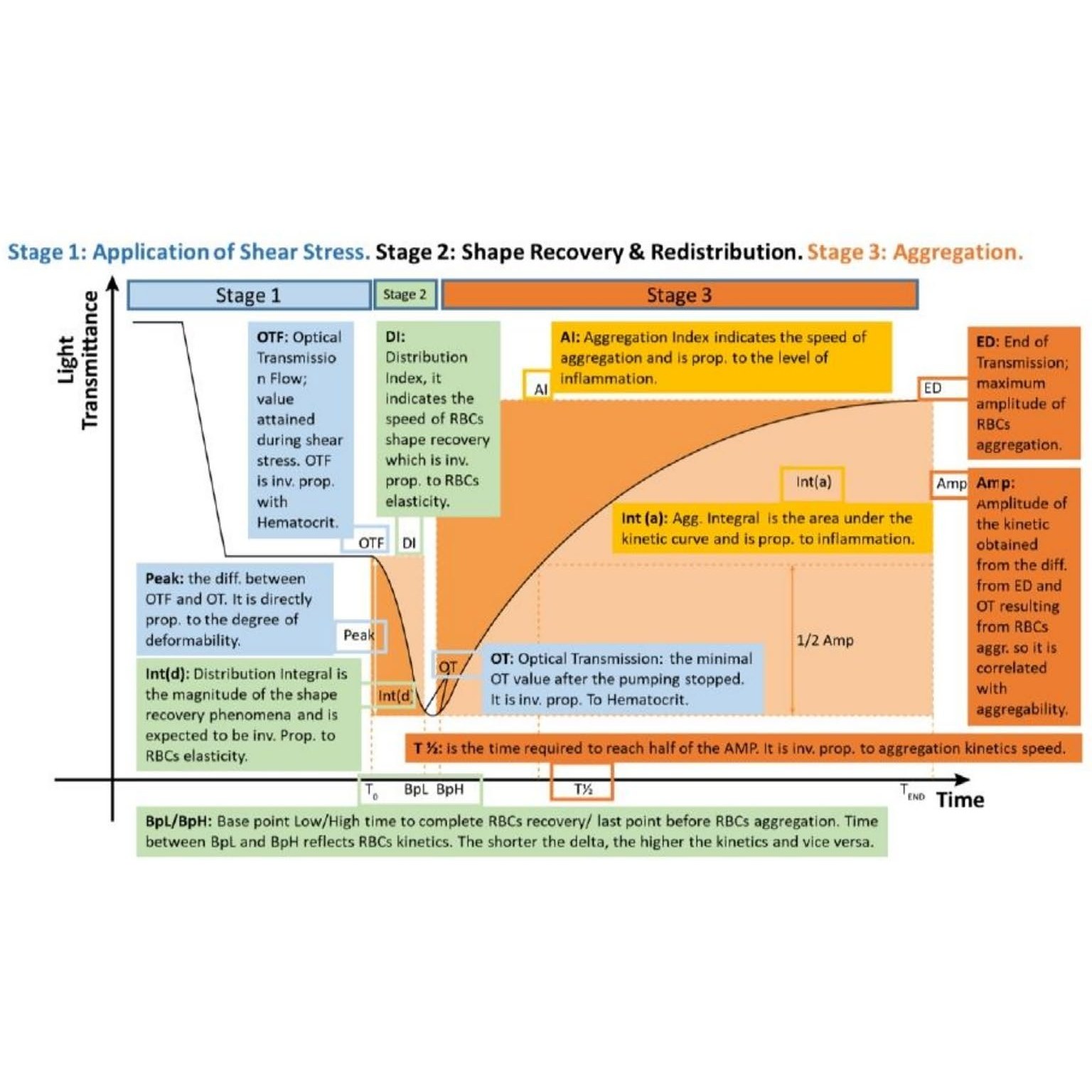
🏗 The essence of the method Syllectometry is based on the analysis of an optical signal: whole blood is subjected to controlled shear stress, after which the flow is abruptly stopped. The device records how red blood cells restore their shape and begin to combine into “rouleaux”.
🔬 Key research results:
- Normative indicators: Preliminary reference intervals for 13 parameters of red blood cell biomechanics in healthy adult volunteers were determined for the first time.
- Effect of sex and age: It was found that age has almost no effect on the rheological properties of red blood cells, while women showed higher aggregation amplitude and specific optical measurements compared to men. 👫
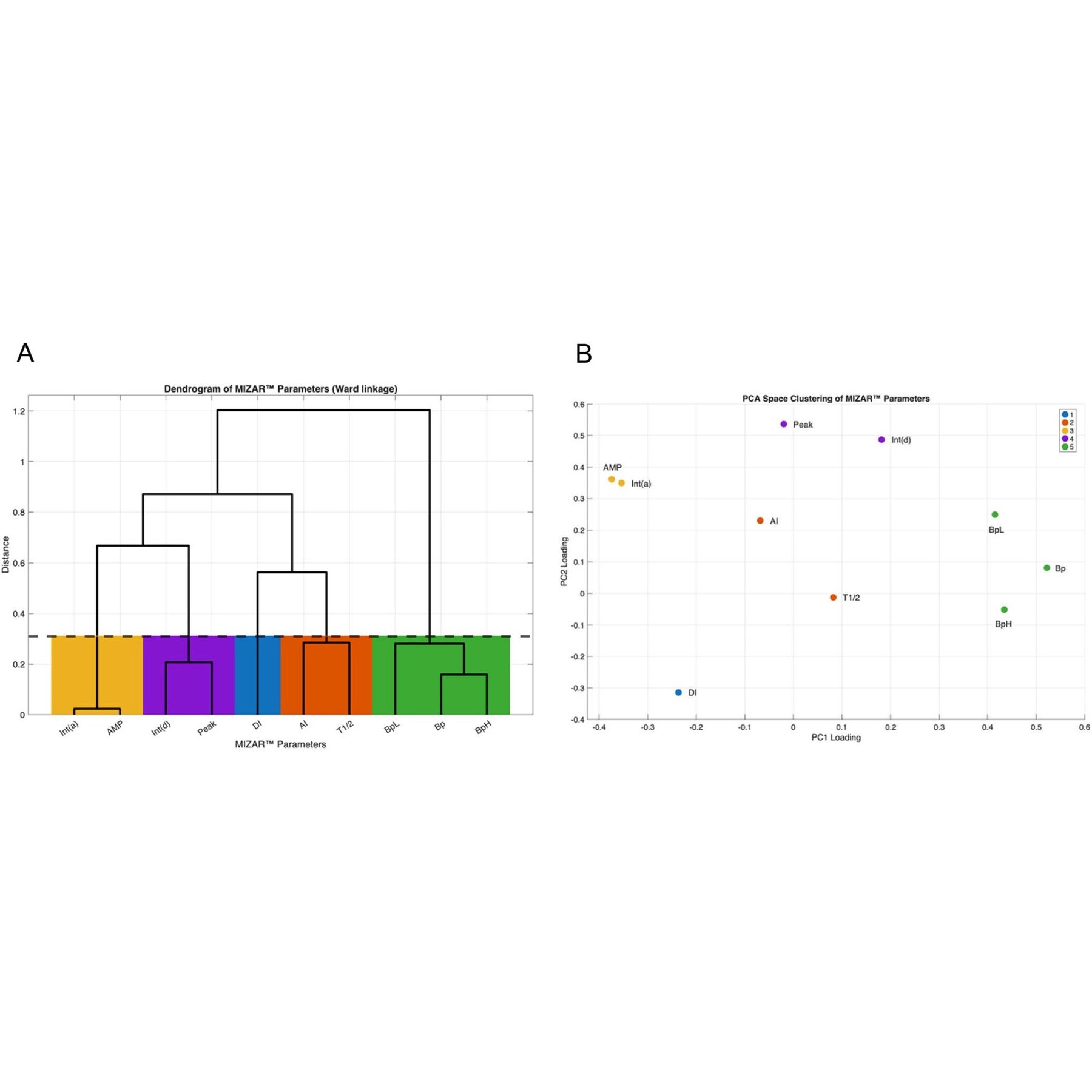
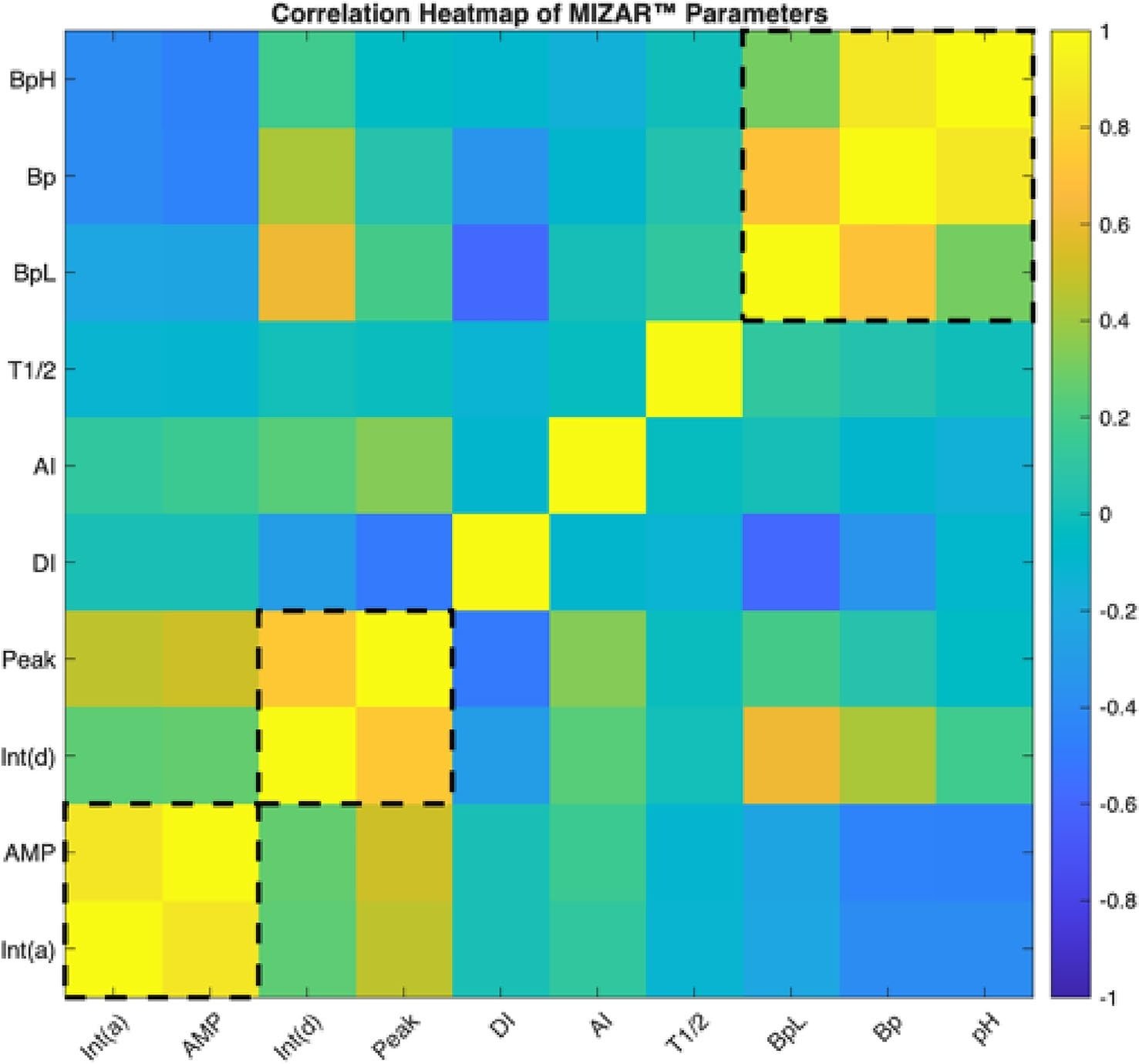
- Mathematical accuracy: Using multivariate statistical analysis (principal component analysis), the parameters were divided into five clusters. This allows physician-researchers to comprehensively assess viscosity, elasticity, and aggregation kinetics, without getting lost in an abundance of numbers. 📐
💡 Why is this important for clinical medicine? Traditional blood tests give us information about the number of cells, but almost nothing about their functional efficiency. Automation of syllectometry allows the study of microrheology to be transferred from fundamental laboratories to clinical practice. In the future, this will help to more accurately diagnose predisposition to microvascular dysfunctions and thromboses. 🏥
This method opens the way to personalized assessment of blood fluidity, which is especially critical in hemodynamic disorders and metabolic disturbances.
Source for citation: Dastaran B, Tera Y, Yunon MJ, Othman M. Characterizing Red Blood Cell Rheological Parameters Using Automated Syllectometry: Conventional and Exploratory Multivariate Analyses. International Journal of Laboratory Hematology. 2026;0:1–10. DOWNLOAD PDF


