


🔴 Sperm Viability Assessment: Methodology and Interpretation of Results
🔬 Sperm viability, determined by the integrity of the cell membrane, can be assessed as part of the standard analysis of all ejaculate samples. However, if a sample contains at least 40% motile spermatozoa, performing a viability test is not mandatory. In cases where the sample contains spermatozoa with low motility, this test becomes critically important for differentiating immotile live cells from immotile dead cells. The presence of a significant number of live but immotile spermatozoa may indicate structural abnormalities of the flagellum, whereas a high percentage of dead cells may suggest epididymal pathologies or immunological reactions caused by infectious processes.
🎨 Eosin-Nigrosin Staining Method for Sperm Viability Assessment
One effective method for assessing sperm viability is the use of eosin-nigrosin staining. This single-step method enhances the contrast between the background and the sperm heads, facilitating their visualization and analysis. An advantage of the method is also the possibility of long-term storage of stained preparations on slides for subsequent re-analysis, staff training, or quality control.
Procedure for conducting the test:
Thoroughly mix the ejaculate sample to ensure homogeneity.
Take a 50 µl aliquot and mix it with an equal volume of eosin-nigrosin solution.
Apply the resulting mixture to a microscope slide and spread evenly to create a smear. Allow the preparation to air dry.
After drying, examine the smear under a light microscope at ×1000 magnification using oil immersion.
Count the number of stained (dead) and unstained (live) spermatozoa using a laboratory counter.
To minimize sampling error, it is recommended to assess at least 200 spermatozoa.
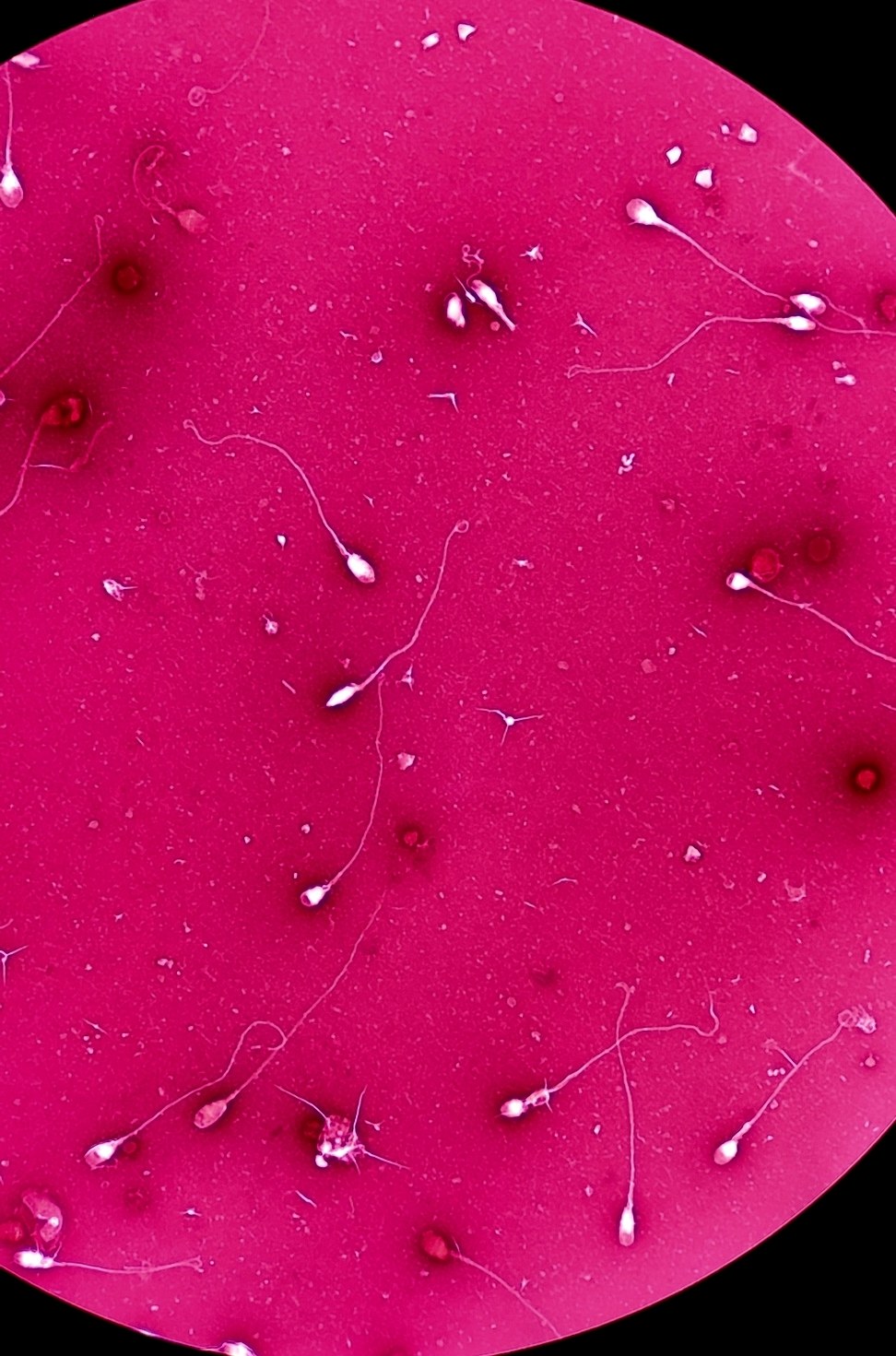
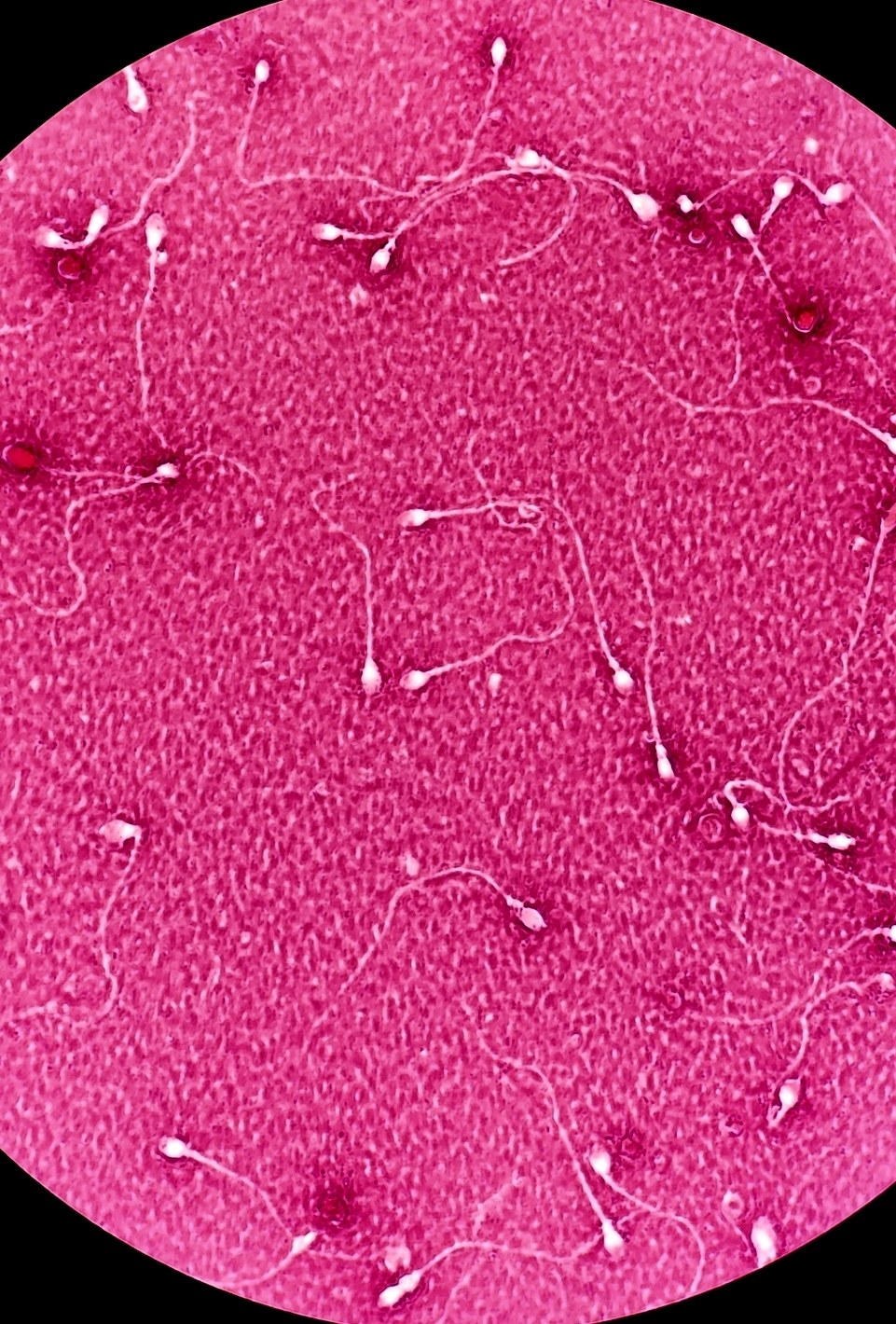
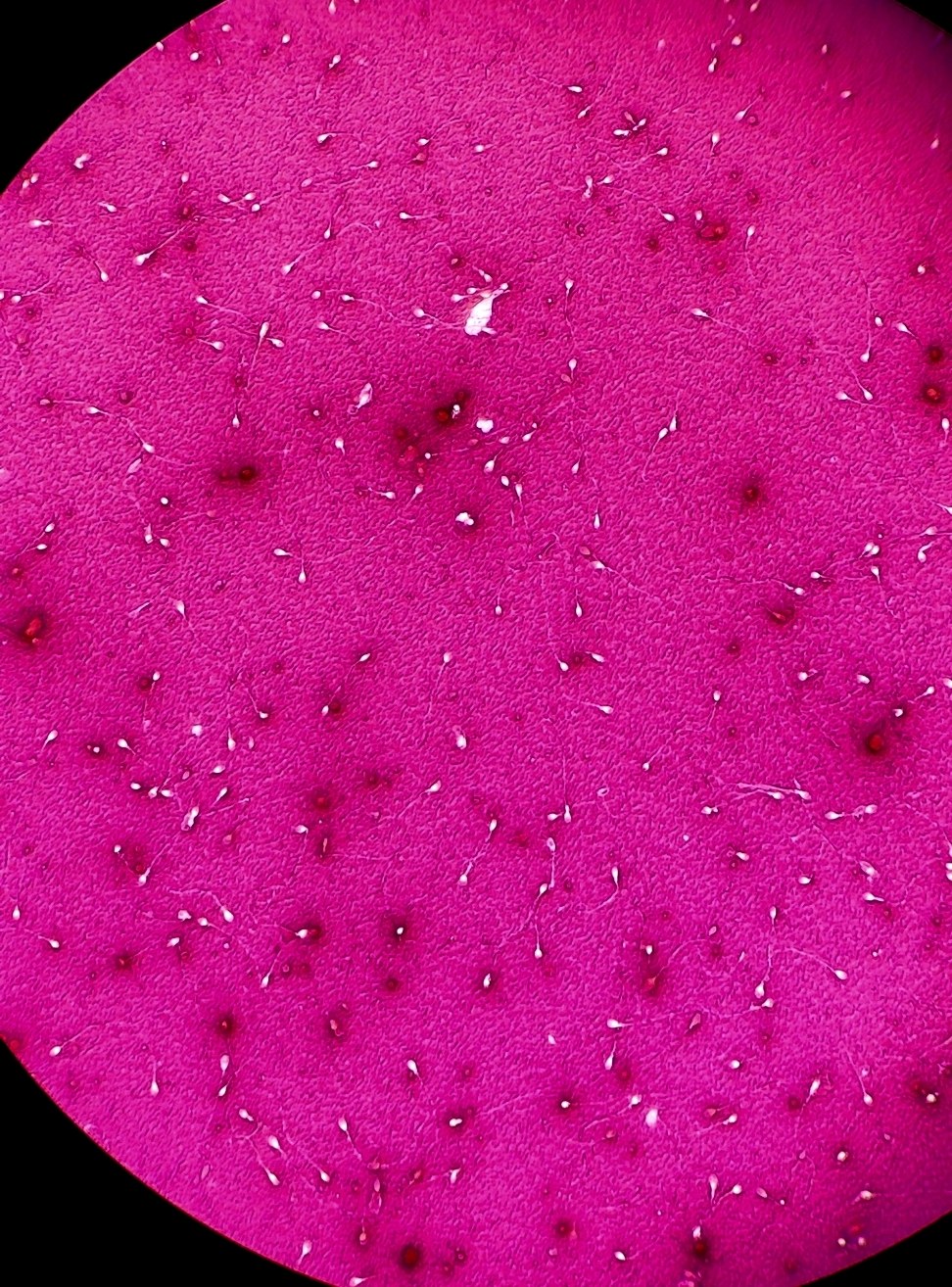
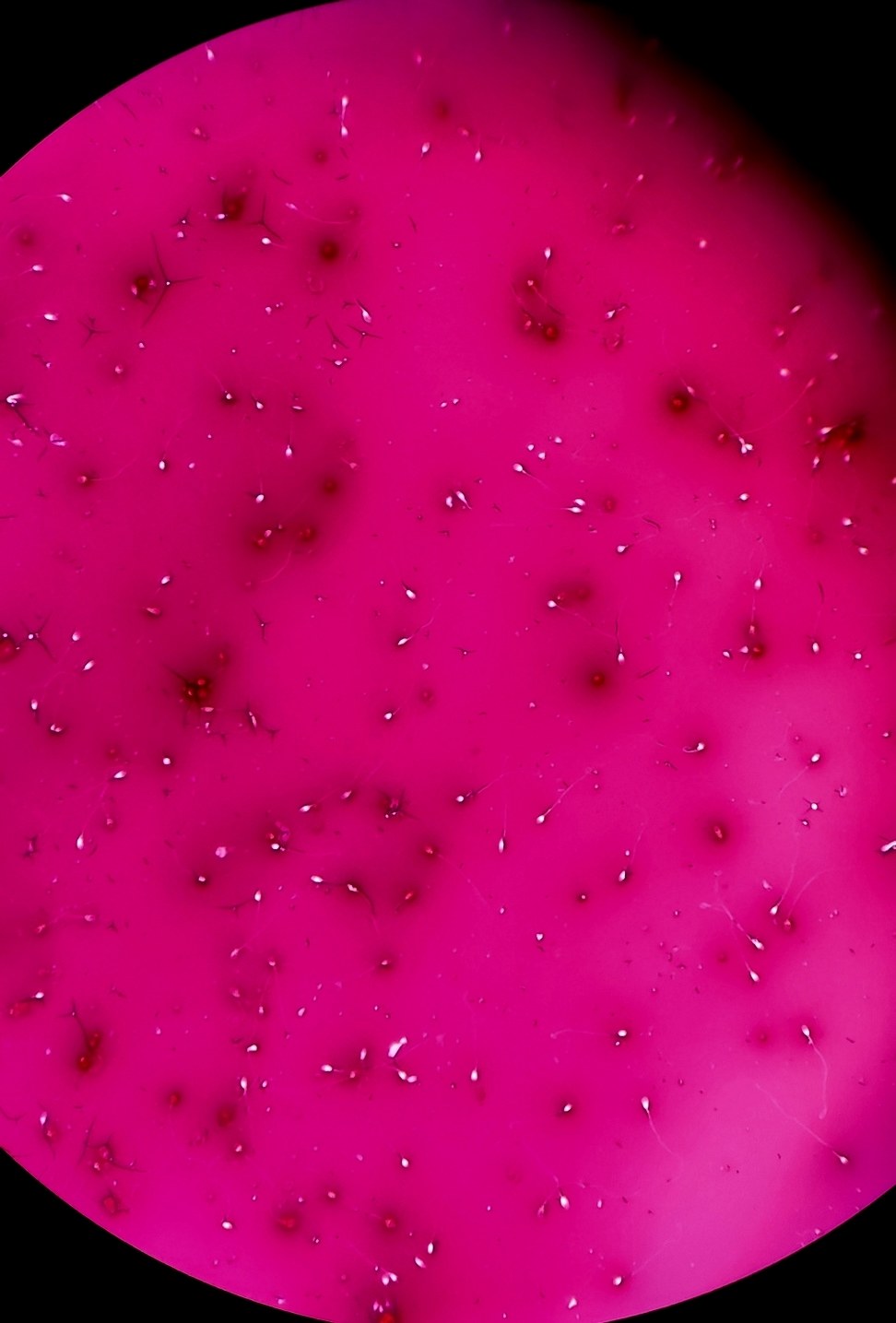
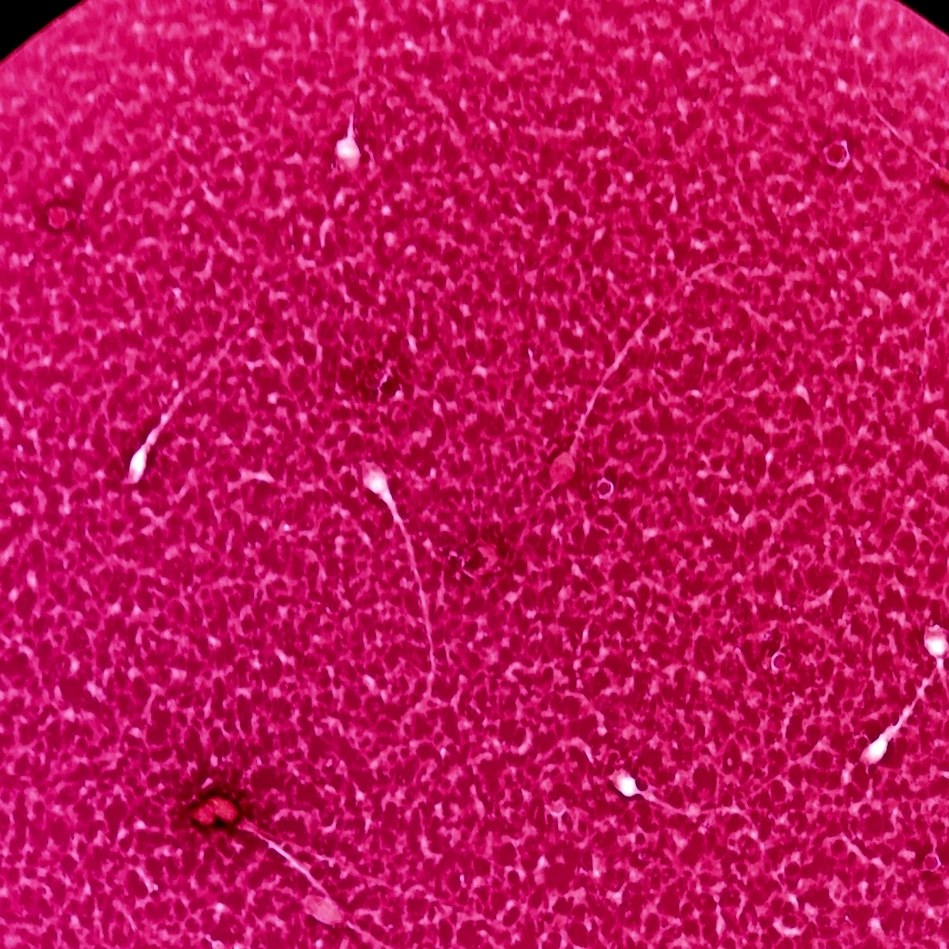
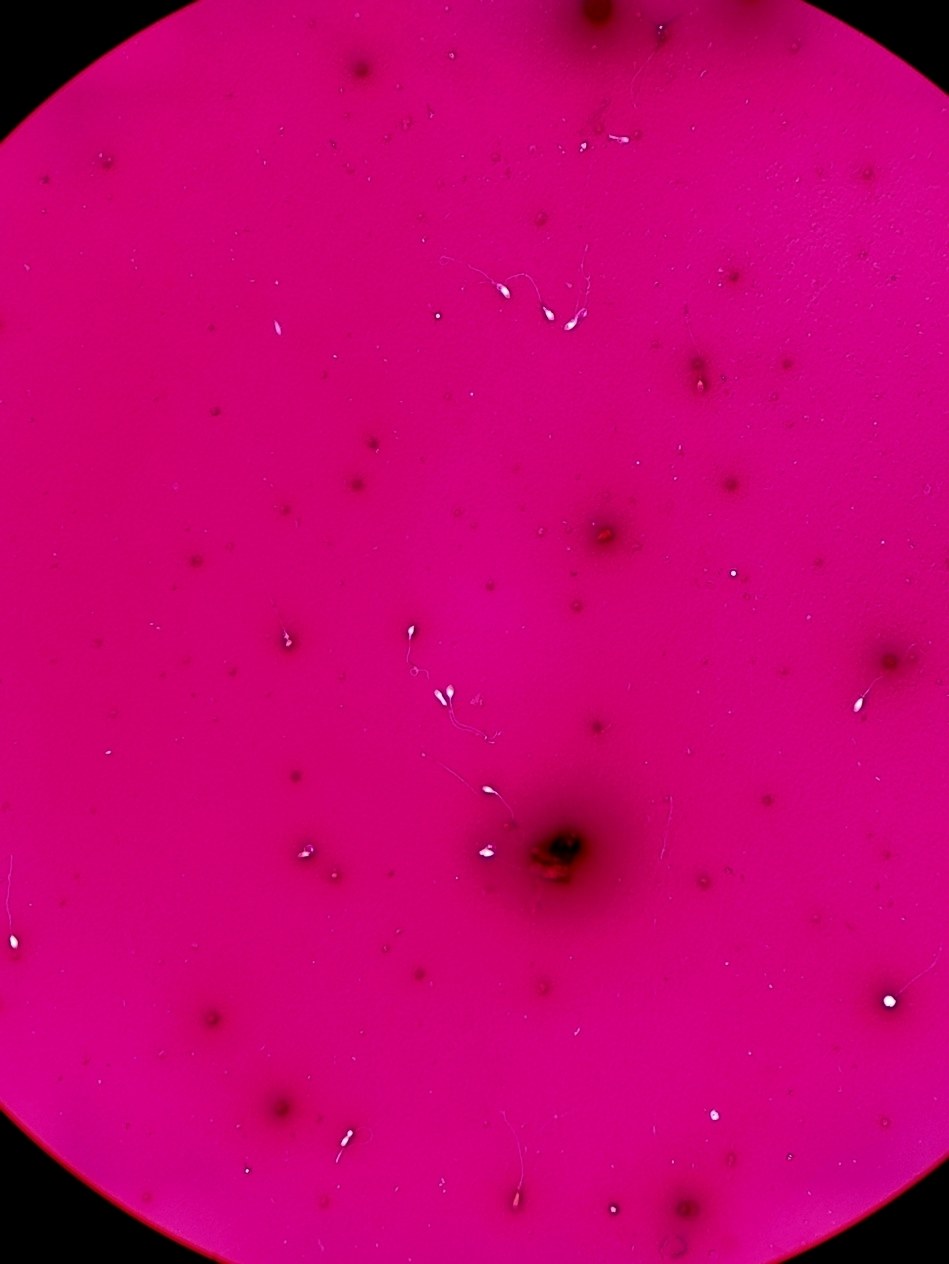
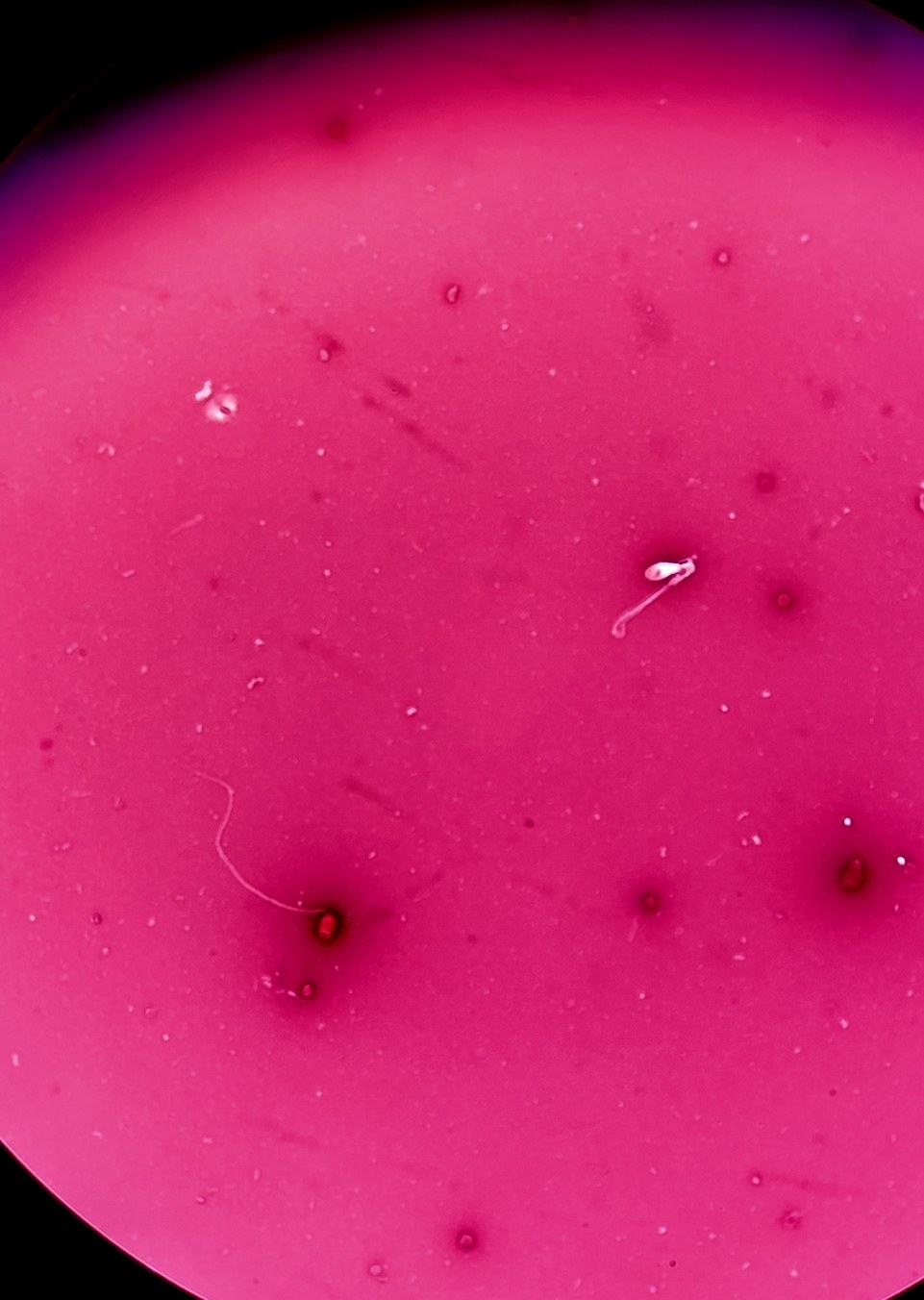
💡Interpretation of results: Sperm viability is determined by the condition of their cell membrane. Dead cells have a damaged membrane, allowing the stain to penetrate, whereas the intact membrane of live cells prevents stain penetration. Under microscopic examination, live spermatozoa have white heads, while dead ones are stained red or pink. Spermatozoa with pale pink heads are classified as dead. If staining is observed only in the neck region, and the head remains unstained, this indicates partial membrane damage (“leaky neck membrane”), but not complete cell death. Such spermatozoa should be counted as live.
❗ Conclusion: The viability test using eosin-nigrosin is a simple yet informative method for assessing the functional state of spermatozoa. Its application is particularly important in cases of reduced sperm motility, helping to identify potential pathologies and determine further diagnostic or therapeutic tactics.
🙏 Photos and description kindly provided by laboratory physician Polina Dybka, Krasnodar.


