

Clinical case of tropical malaria
A 42-year-old female patient. Vacationed in Africa. Upon return, she felt ill: body temperature elevated to 40ºC, body aches, dizziness, general weakness. She self-medicated with aspirin and paracetamol for several days. She was admitted to the hospital by emergency medical services.
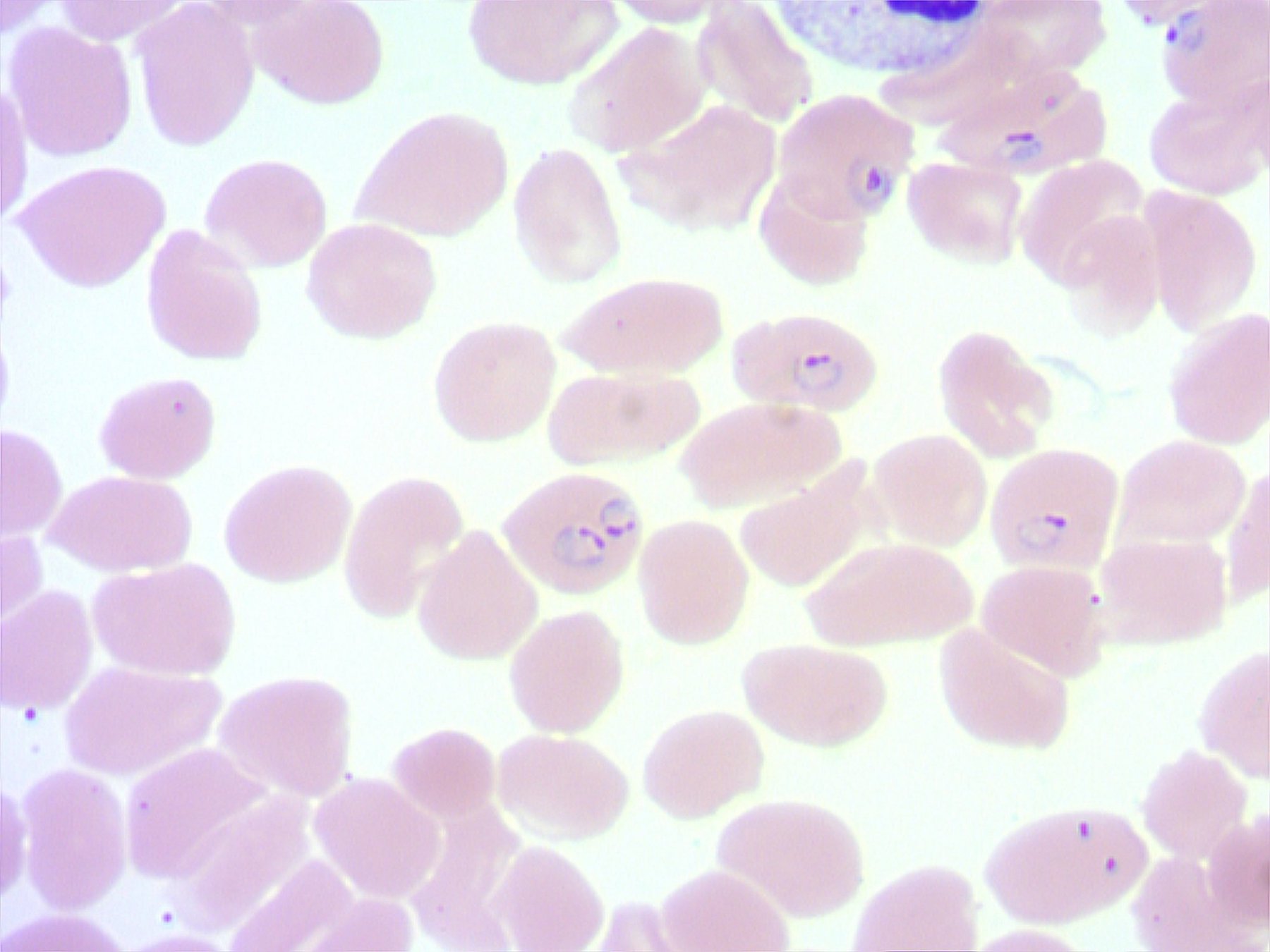
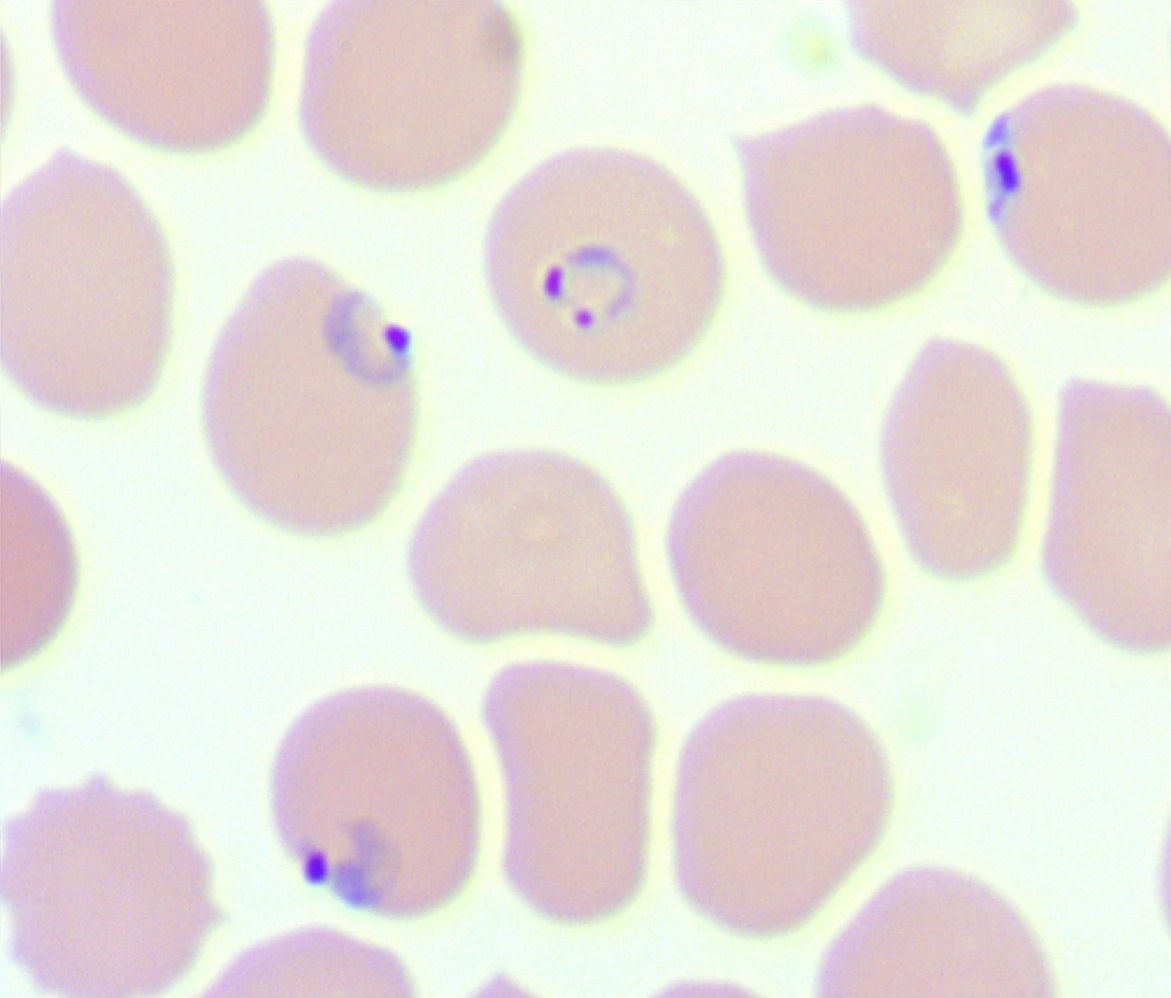
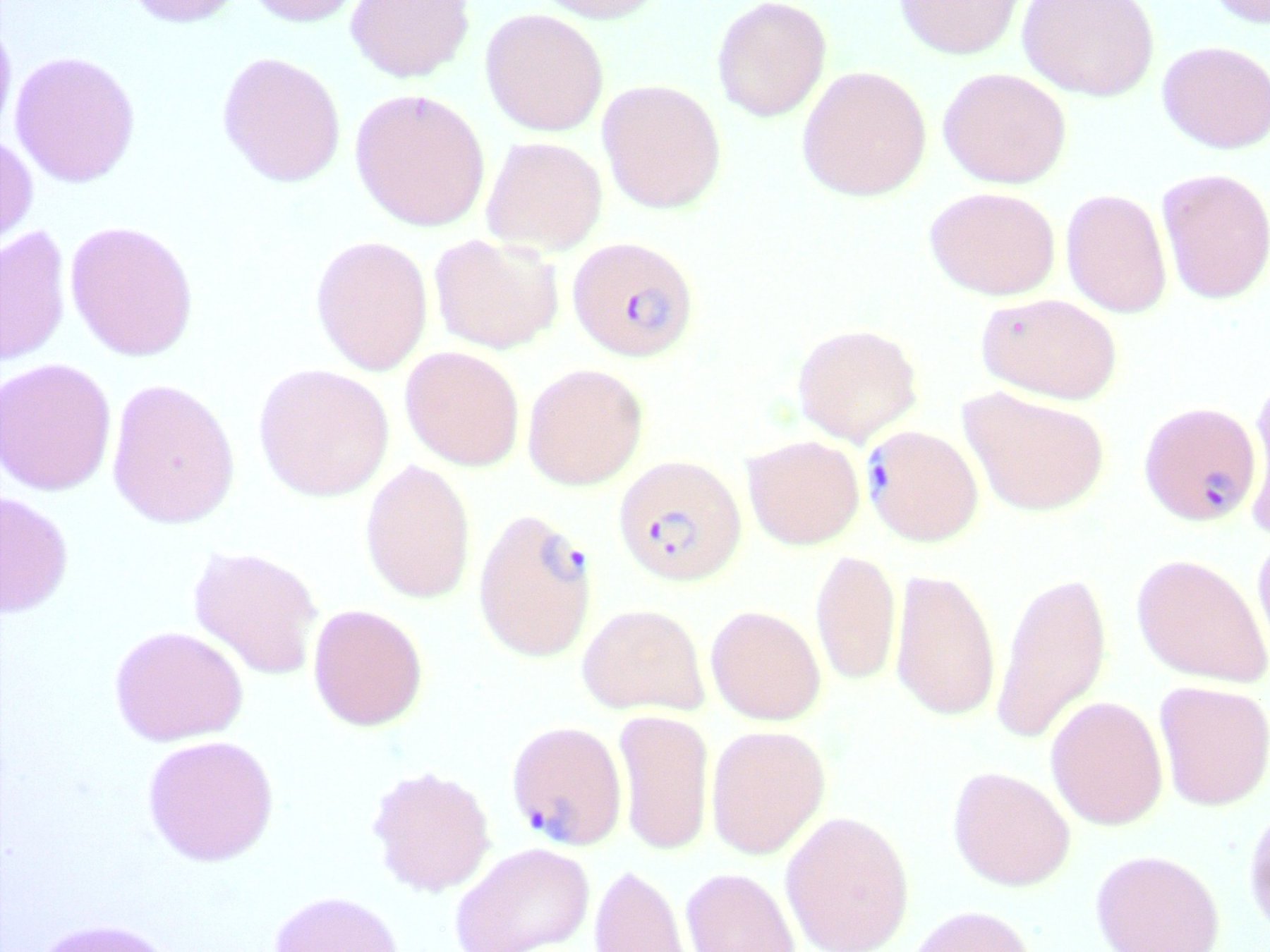
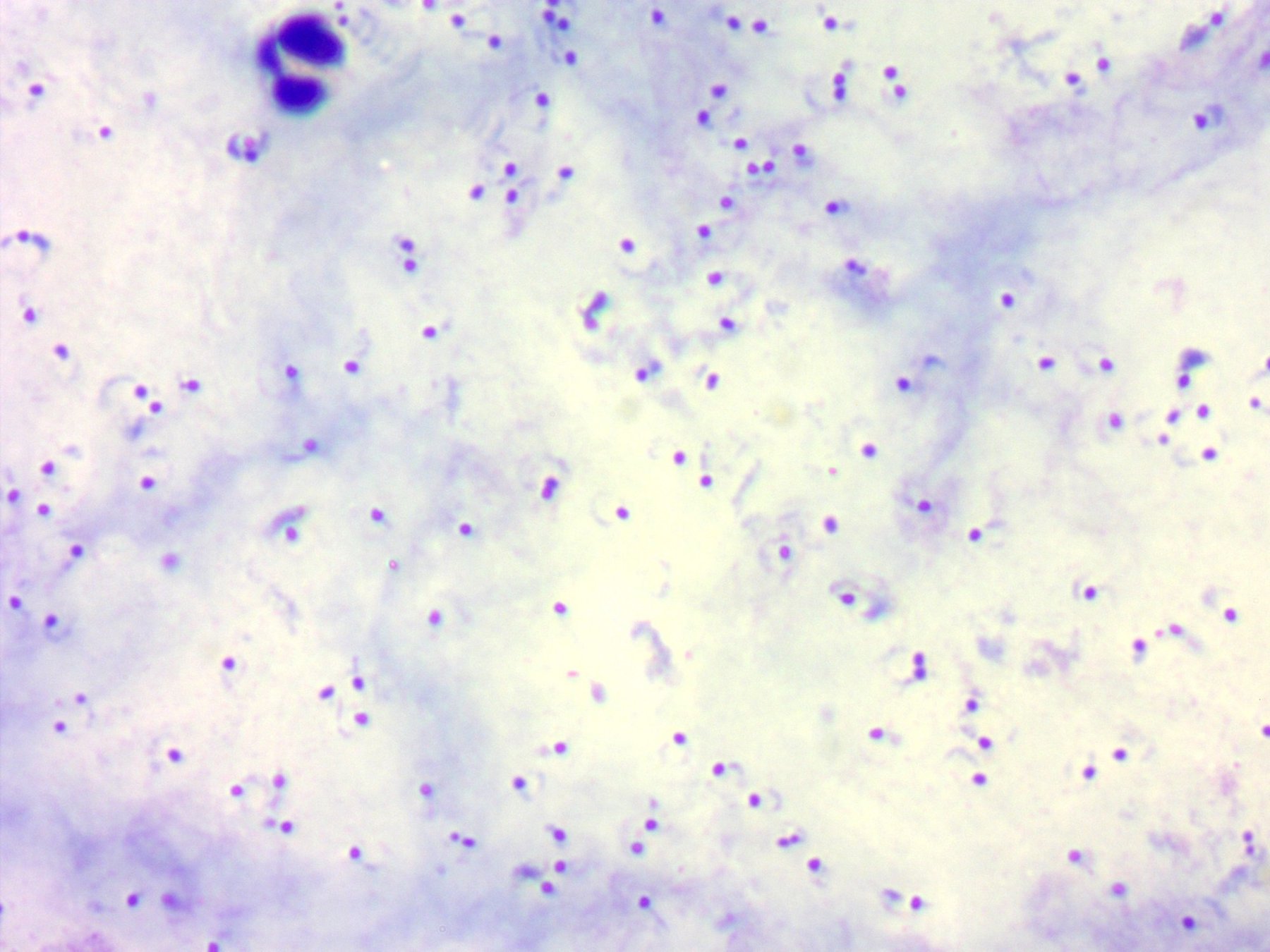
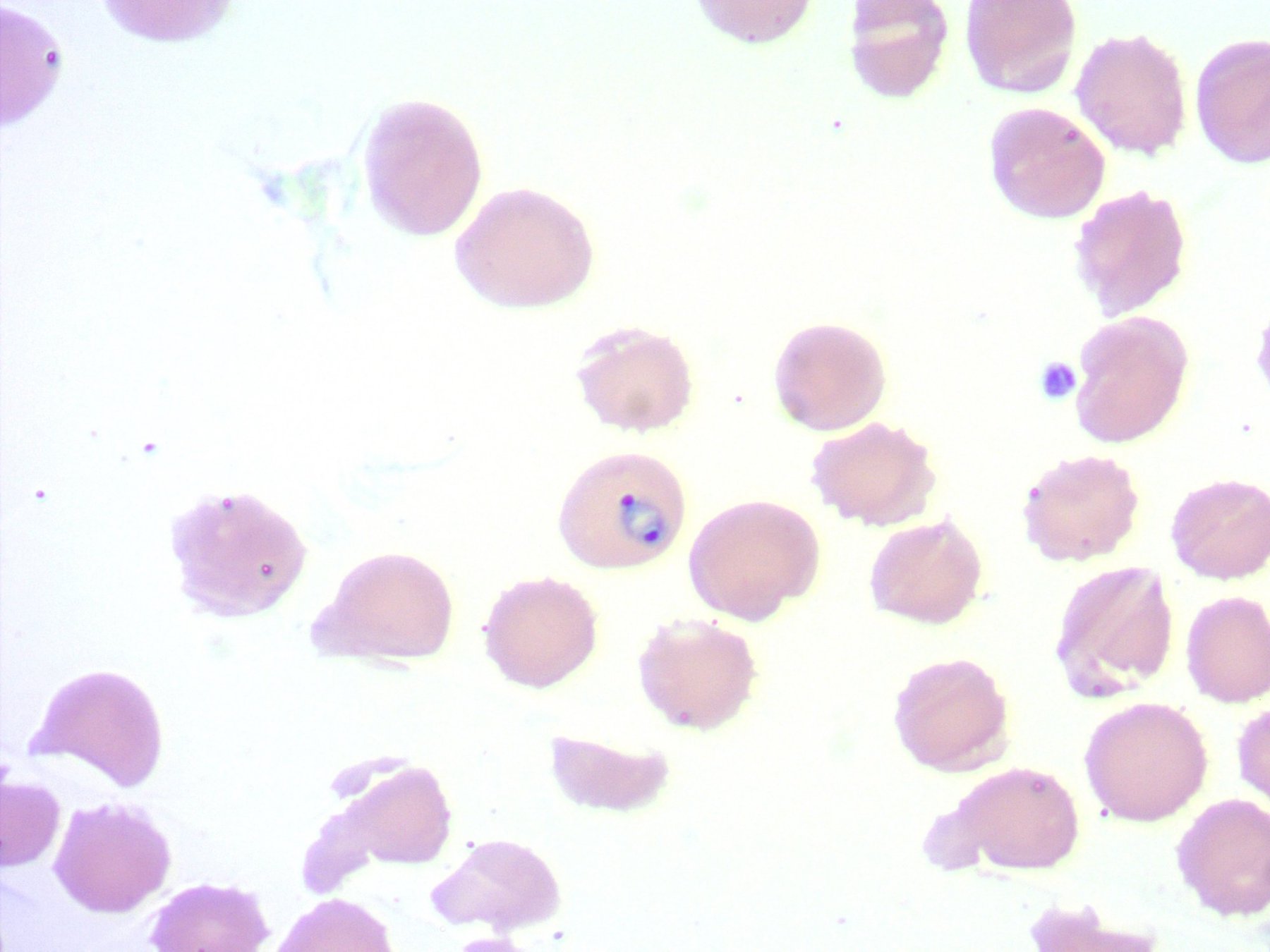
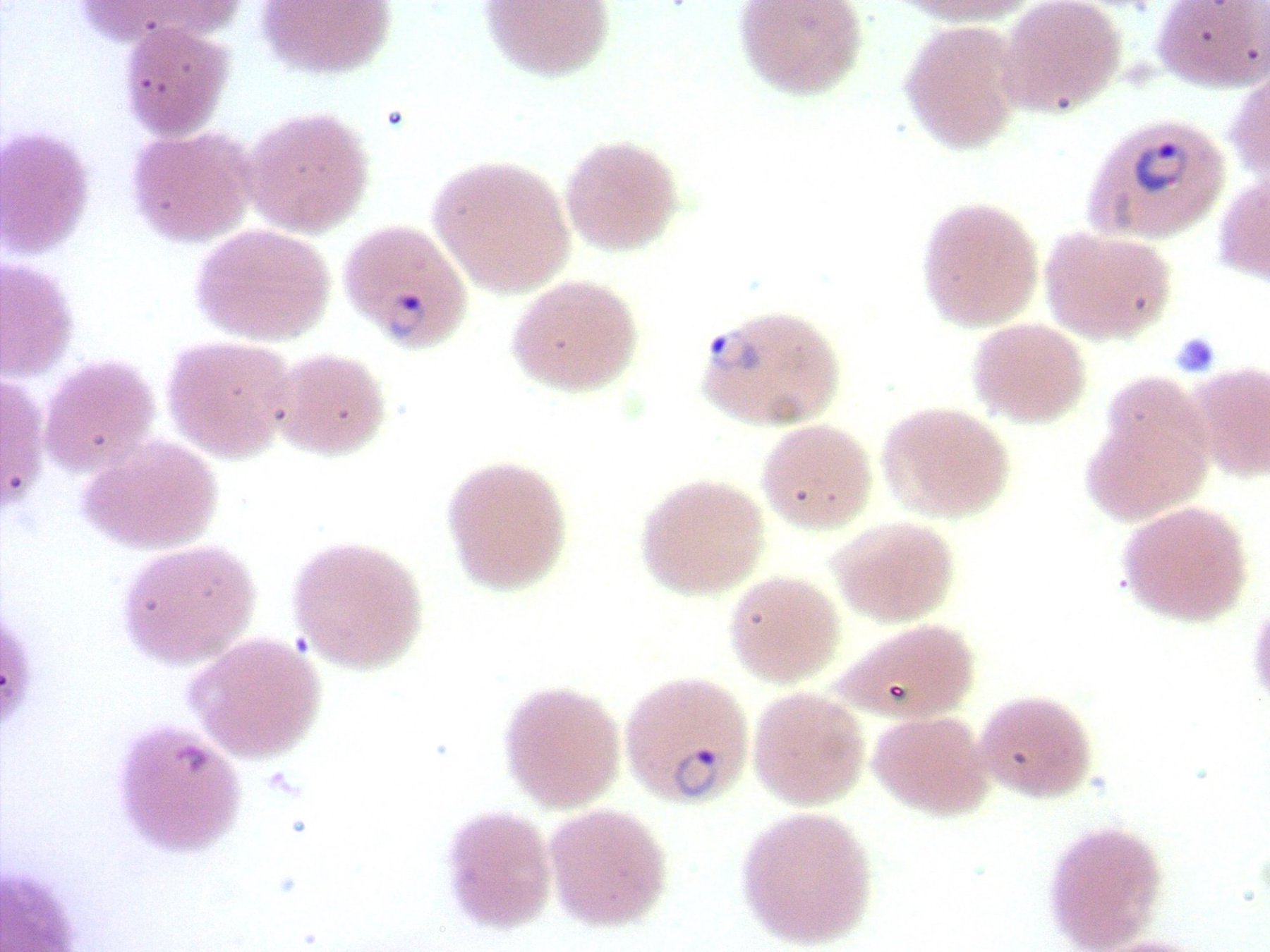
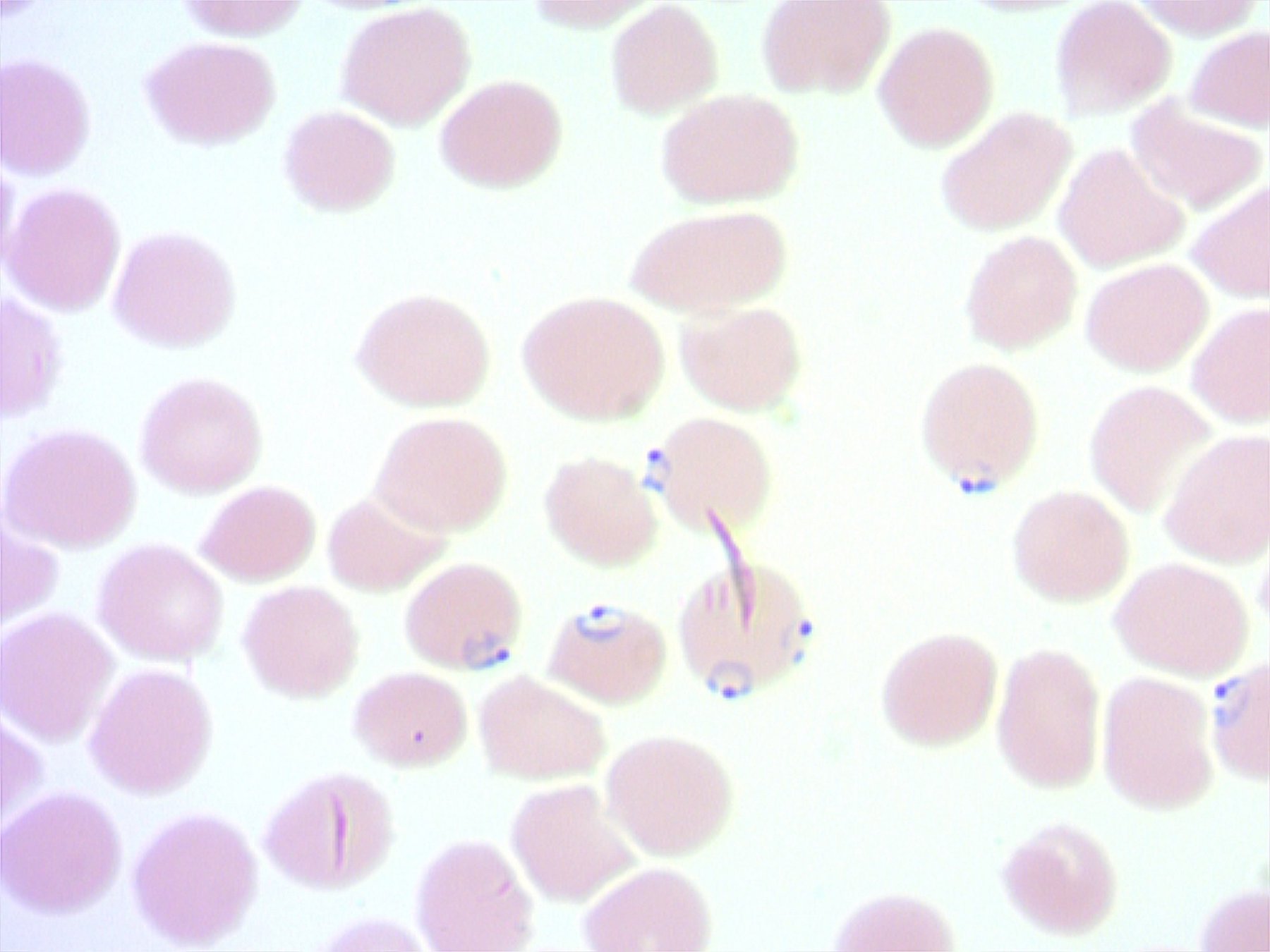
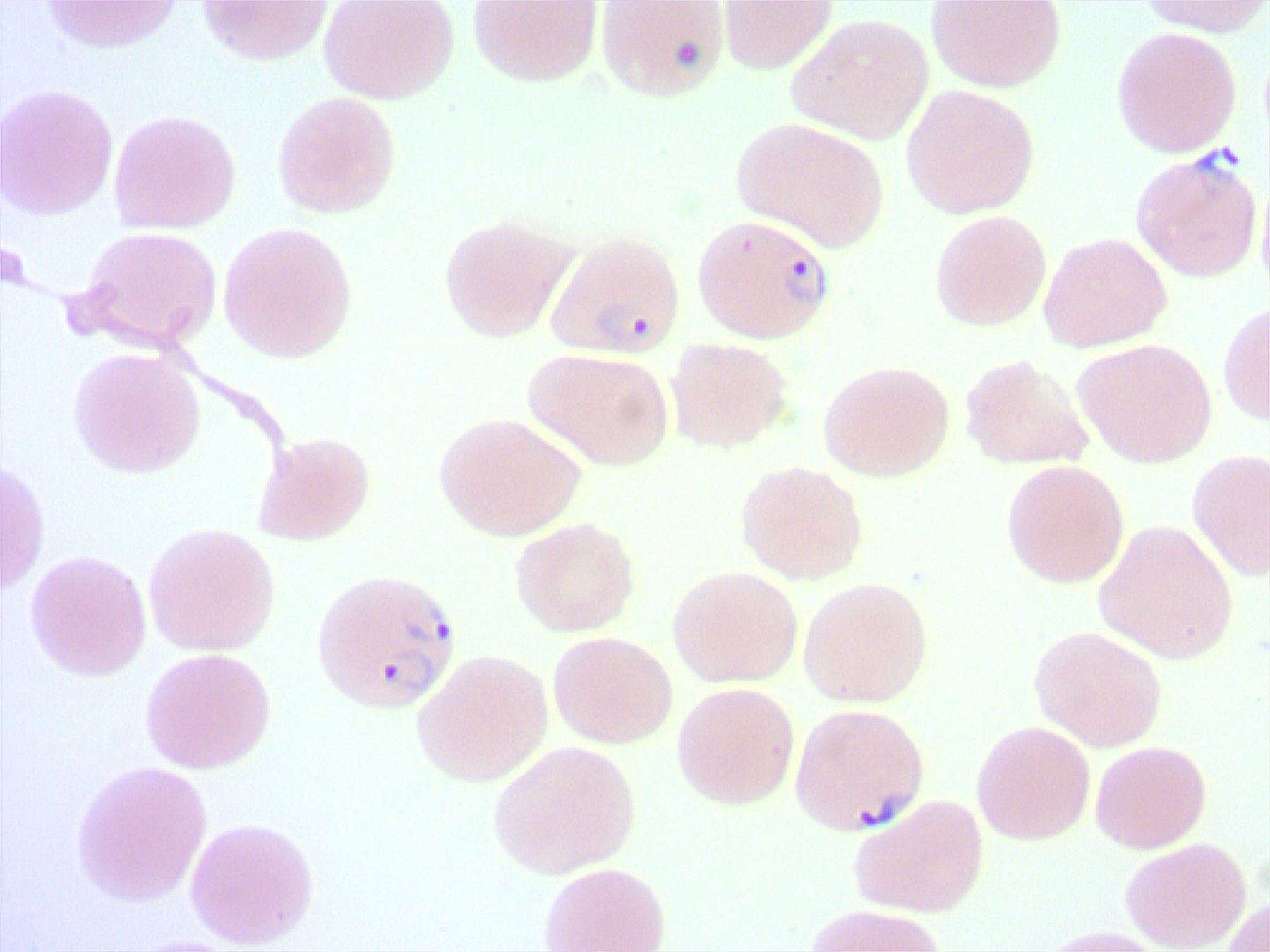
Microscopy of a blood smear revealed ring-form trophozoites.
Diagnosis: Malaria caused by Plasmodium falciparum, primary, severe course. Complication: Sepsis. DIC syndrome.
Tropical malaria is the most severe form of malaria infection.
Features of Plasmodium falciparum malaria:
High degree of parasitemia: multiple invasion of erythrocytes – by two or more parasites – is common.
Infected erythrocytes do not increase in size.
Ring-form trophozoites: generally smaller than rings of other parasite species.
Young rings are very small, the nucleus is clearly defined, sometimes represented by two separate chromatin aggregates: a larger one – the nucleus itself, and a smaller one – the karyosome; they can be located next to each other or at a distance, in which case the ring resembles a “horseshoe”.
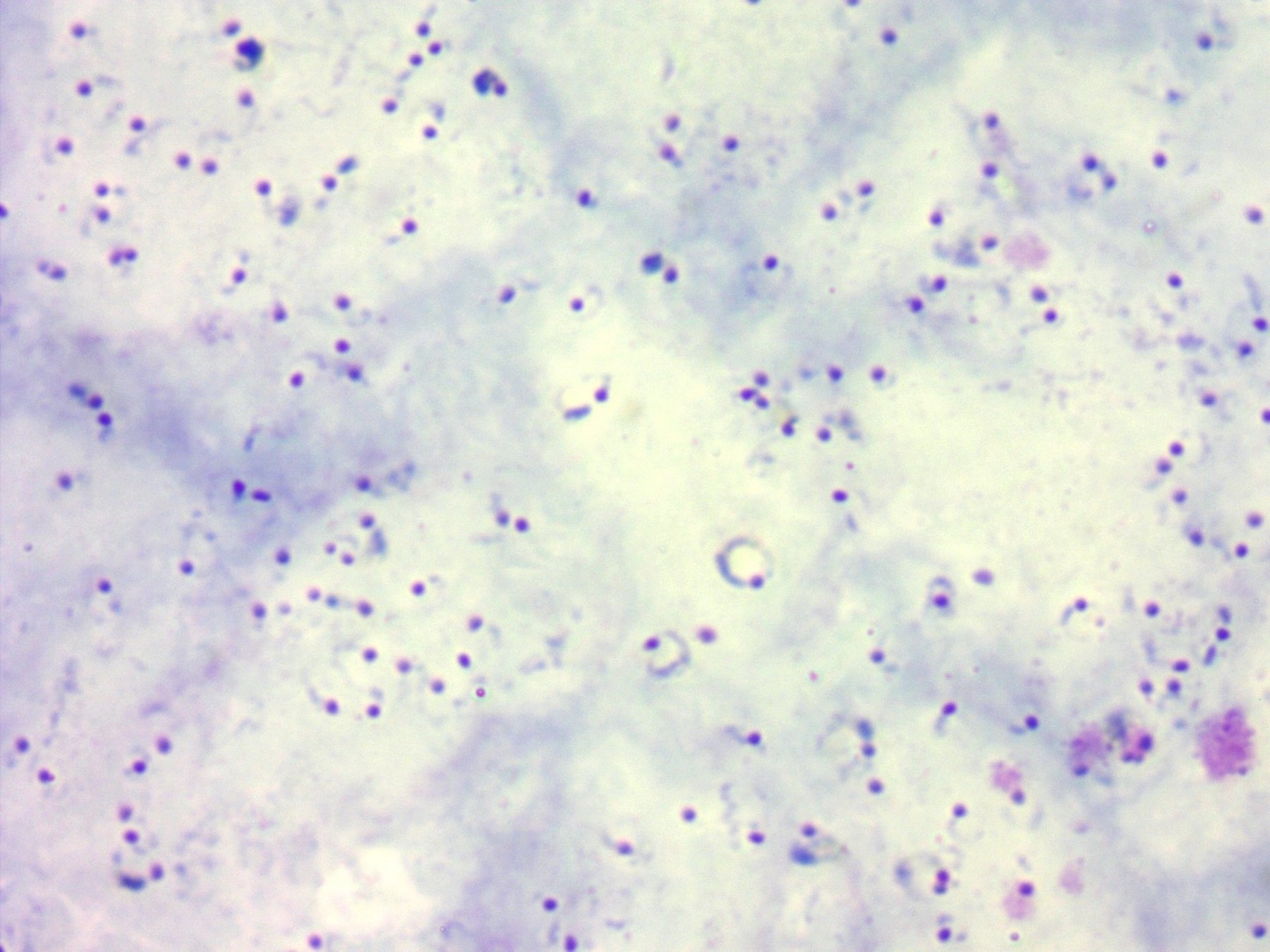
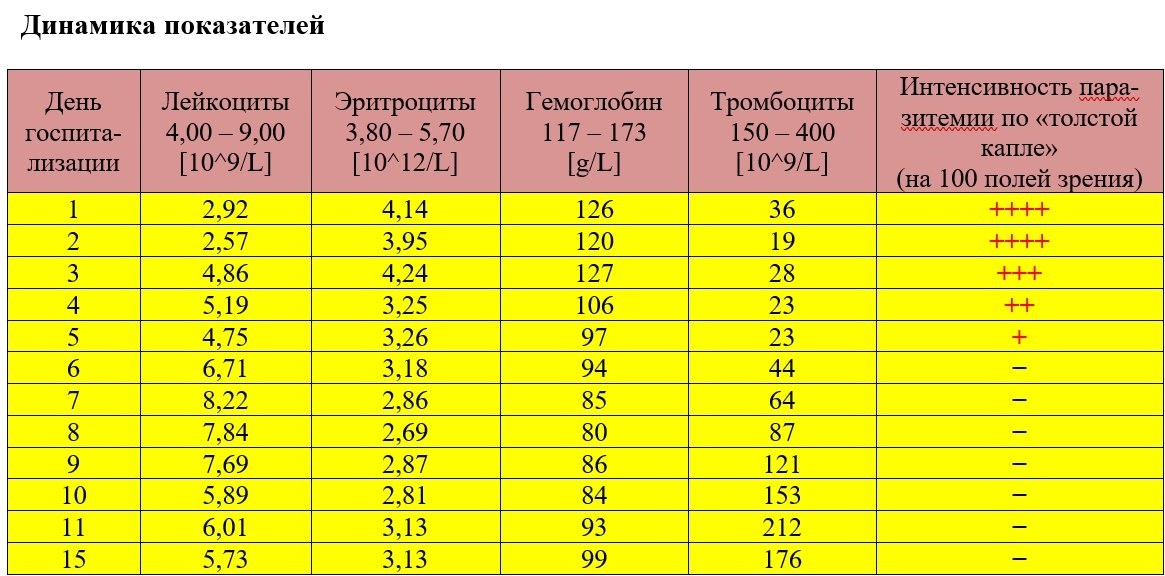
“Thin smear” and “thick film” preparations and the dynamics of some parameters are presented.
The clinical case was kindly provided by Vera Kirnas, Biologist, Clinical Diagnostic Laboratory, F.S. Ankudinov Yuzhno-Sakhalinsk City Hospital


